Home
Home
Services
Services

Resources
Resources
Storm Restoration
Storm Restoration
Roof Systems
Roof Systems
Locations
Locations
Schedule a free AI-powered roof inspection to learn why attic ventilation Houston matters. Protect your roof, lower energy costs, and prevent moisture damage.
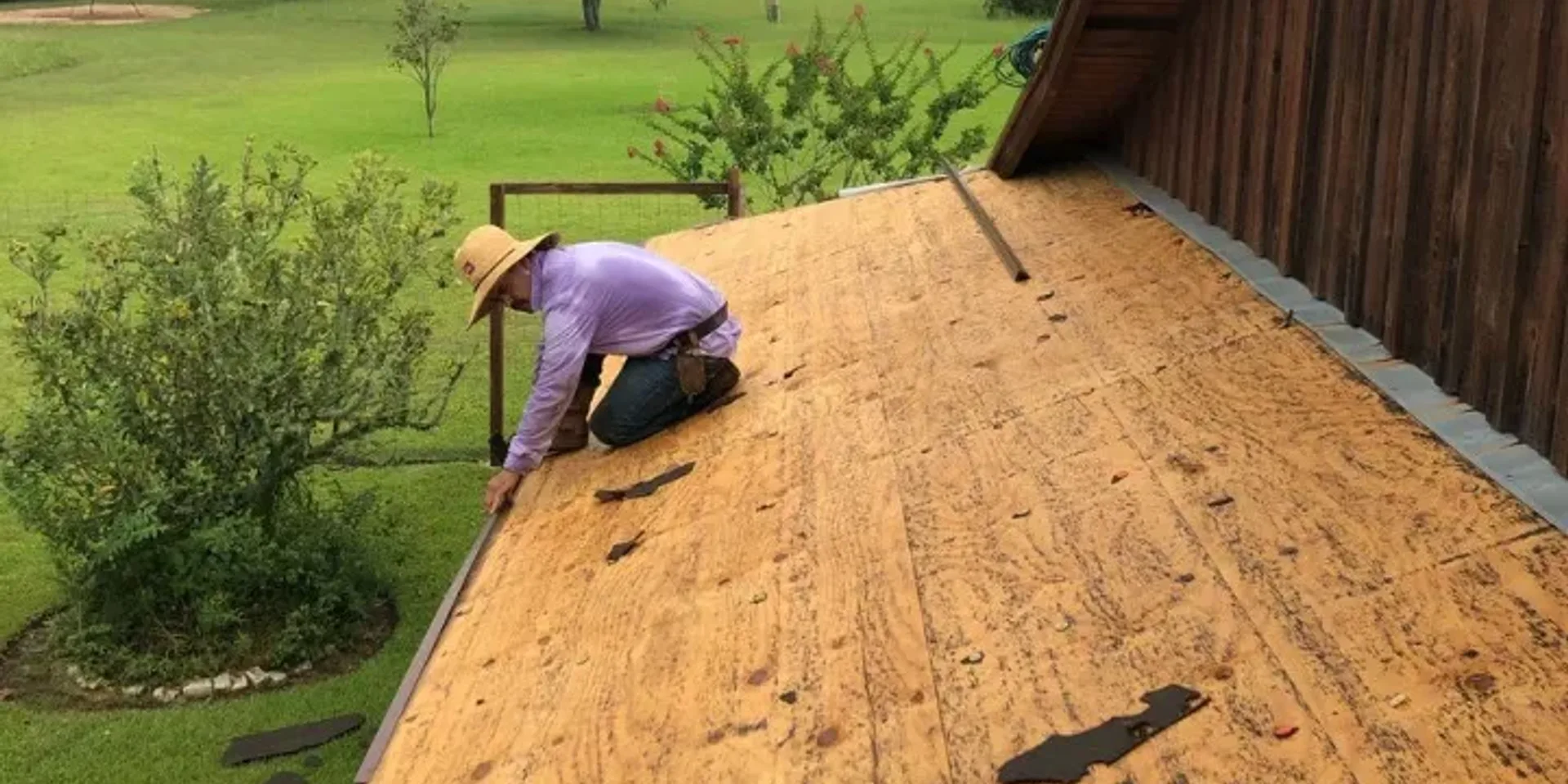
Houston attics endure intense summer heat, high humidity, and changing weather that can challenge a roof from above and below. When airflow is unbalanced, heat and moisture may remain trapped, affecting shingles, insulation, and the roof structure over time. The U.S. Environmental Protection Agency explains that natural airflow helps move super-heated air out of a well-vented attic while removing moisture.
Schedule your free AI-powered roof inspection today at 281-841-2504 to check your attic ventilation.
Attic ventilation Houston homeowners can rely on should move hot, moist air out while allowing fresh air in through properly placed intake vents. A balanced system supports roof durability and energy efficiency, but fans cannot compensate for blocked vents, poor insulation, or air leaks.
Knowing what to look for is the first step toward separating a ventilation concern from a larger roofing or insulation issue. The warning signs below can help you decide when a closer inspection is worthwhile.
Quick answer: Warning signs include an unusually hot attic, rising cooling bills, winter condensation, mold or mildew odors, distorted shingles, and ice dams. These symptoms often indicate that heat or moisture is not moving through the attic as it should.
In Houston, an attic can reach roughly 140 to 160 degrees Fahrenheit during summer heat when ventilation is inadequate. That trapped heat can increase the workload on your air conditioner and contribute to premature shingle damage. A well-vented attic helps move super-heated air out while removing moisture, which supports roof durability and energy efficiency. For more context, review the importance of attic ventilation in Houston.
Touching the attic floor or roof decking is not a reliable diagnostic method, but an attic that feels intensely hot for long periods deserves attention. If your cooling costs rise without a clear change in occupancy, thermostat settings, or weather, trapped attic heat may be part of the problem. Ventilation alone is not a substitute for insulation and air sealing. If soffit vents are blocked or the attic is not properly separated from the living space. A powered fan can pull conditioned air upward and make the air conditioner work harder.
Houston homeowners may notice damp insulation, water droplets on roof decking, or condensation around nails and other cold surfaces during cooler weather. Musty or mold-like odors can also signal that moisture is lingering. Ventilation does not correct every moisture source, so leaks, plumbing issues, and inadequate insulation should be investigated as well. Persistent moisture can support mold growth and damage wood or other roof components over time.
Curled, buckled, or prematurely deteriorated shingles can reflect heat and moisture stress, although installation quality, age, and storm exposure can cause similar damage. Ice dams are less common in Houston than in colder climates, but they can form during unusual freezes when warm attic air melts snow or ice unevenly. Any visible shingle distortion or recurring ice buildup calls for a roof assessment rather than a ventilation change based on guesswork.
These signs do not identify the exact cause by themselves. A complete inspection should check intake airflow, exhaust paths, insulation, roof condition, and moisture sources. The key is to document what is working, what needs attention, and what can safely wait.
The best attic ventilation system balances intake and exhaust airflow instead of relying on one vent type alone. As a planning guideline, provide about 1 square foot of net free vent area for every 150 square feet of attic floor. With roughly 50% of that area dedicated to intake and 50% to exhaust. The actual design should account for roof shape, vent sizing, insulation, and existing airflow paths.
| Vent type | Primary role | Where it works best | Important consideration |
|---|---|---|---|
| Ridge vents | Exhaust | Along the highest point of a sloped roof | Works best with a continuous, unobstructed intake path from the soffits. |
| Soffit vents | Intake | Under the roof eaves | Insulation must not cover the openings. Rafter vents can help preserve the airflow channel. |
| Turbine vents | Wind-driven exhaust | Roof areas where wind can turn the turbine | Performance varies with wind conditions and proper intake ventilation. |
| Gable vents | Cross-ventilation and exhaust | Attics with suitable gable walls | Placement and roof geometry determine whether air moves through the attic or bypasses key areas. |
| Powered attic ventilators | Mechanical exhaust | Situations requiring supplemental airflow after the basics are corrected | They should not replace balanced passive ventilation, adequate insulation, or air sealing. |
A ridge vent cannot exhaust effectively if soffit vents are blocked, and adding an exhaust fan does not automatically solve that problem. The U.S. Environmental Protection Agency explains that blocked soffits and an attic that is not well sealed from the house can allow a fan to pull conditioned air into the attic. That backdraft can make the air conditioner work harder and increase energy use. The same guidance warns that attic fans are not substitutes for insulation and passive ventilation. Review the basics of preventing moisture with attic ventilation before selecting equipment.
For Houston homes, the right combination depends on the roof design and the condition of the existing intake and exhaust paths. A roof inspection can document whether insulation is obstructing soffits, whether vents are evenly distributed, and whether powered equipment would improve airflow or create a new problem.
Yes. Proper attic ventilation in Houston can help control heat and moisture, protect roof shingles. And reduce avoidable strain on your cooling system when the intake, exhaust, insulation, and air sealing work together.
Houston's long, hot seasons place a heavy thermal load on the roof assembly. Without a clear path for air to enter through the soffits and exit through the upper vents, heated air can remain trapped beneath the roof deck. That does not guarantee a specific utility-bill savings, but reducing accumulated attic heat can help your air conditioner work under less stress. The design and condition of the entire attic matter more than simply adding a fan.
Heat and moisture are two of the main reasons ventilation deserves attention. The U.S. Environmental Protection Agency explains that natural airflow in a well-ventilated attic moves super-heated air out, protects roof shingles, and removes moisture. Improper ventilation combined with inadequate insulation can trap both heat and moisture, accelerating shingle deterioration. The EPA's guidance on attic ventilation provides the technical context behind these recommendations.
Moisture control also protects the structure below the shingles. Humid air and household vapor can condense on cooler roof components, particularly when air leaks from the living space into the attic. Persistent dampness creates conditions that can contribute to mold growth and wood rot. Keeping soffit pathways open, maintaining appropriate insulation, and sealing major air leaks helps the ventilation system do its job.
The value is not limited to a single summer. A better-balanced attic can support longer-lasting shingles, fewer moisture-related repairs, and more predictable roof maintenance. It also gives homeowners clearer information when deciding whether a concern is urgent, worth monitoring, or already functioning as intended. For a practical framework, review this guide to ventilation efficiency and roof health.
AI Roofing's free AI-powered inspection can help assess visible roof and attic conditions, document findings, and identify whether ventilation improvements appear warranted. Inspections are scheduled within 24 hours, with reports delivered within 48 hours, so homeowners can make a documented decision without relying on guesswork.
Proper attic ventilation in Houston depends on a continuous, balanced path for air to enter through the soffits and exit near the ridge. A roof can have visible vents and still perform poorly when installation details interrupt that airflow. Watch for these common problems before approving a repair or replacement.
Loose-fill or batt insulation pushed into the eaves can block the intake openings. Without a clear channel, outdoor air cannot move upward through the attic, so the exhaust vents have little useful air to remove. The solution may include rafter vents or baffles that preserve the passage between the soffits and the roof deck. The U.S. Environmental Protection Agency specifically cautions against covering attic soffit vents with insulation.
Adding ridge, turbine, or powered exhaust vents does not automatically improve performance. Ventilation works as a system. If intake capacity at the soffits is insufficient, exhaust equipment may pull air from unintended places instead of drawing a steady supply from outside. Ask the roofer to evaluate the intake-to-exhaust balance, not simply count visible vents.
Combining ridge vents, gable vents, turbines, and powered fans without a plan can create competing airflow paths. One exhaust point may draw air from another rather than from the soffits, reducing the intended soffit-to-ridge movement. A ventilation design should account for the roof shape, existing openings, and the location of every intake and exhaust vent.
Powered fans are not a substitute for passive ventilation or proper air sealing. If the attic is not well sealed from the living space. A fan can pull conditioned indoor air upward, making the air conditioner work harder and increasing energy use. This risk is especially important when soffit vents are blocked.
Roofing materials and ventilation design are related but not identical skills. Before hiring, ask who will inspect the soffit intake, verify the exhaust layout, and document the recommended airflow path. Request a written explanation of what is working, what needs attention, and why. A qualified professional should be comfortable discussing proper attic ventilation as part of the roof's broader weather-readiness plan.
Look for excessive attic heat, moisture or condensation, musty odors, visible mold, damp insulation, or roof materials that appear to be aging prematurely. Higher-than-expected cooling costs can also signal that heat is not leaving the attic efficiently. A professional inspection can distinguish ventilation problems from insulation, roof-leak, or air-sealing issues.
A properly balanced system generally uses intake vents, such as soffit vents, together with exhaust vents, such as ridge vents. The common design guideline is 1 square foot of net free vent area for every 150 square feet of attic floor. With roughly half used for intake and half for exhaust. The actual requirement depends on the roof design and vent specifications.
It can help reduce the heat and moisture conditions that support mold growth. But ventilation is not a cure for an active roof leak, plumbing leak, or serious moisture intrusion. In Houston's humid climate, the roof assembly, insulation, air sealing. And ventilation should be evaluated together so the source of moisture is addressed rather than simply adding a vent.
Not automatically. A powered fan may underperform when intake ventilation is insufficient, and an improperly configured system can draw conditioned air from the home into the attic. Before choosing equipment, verify that soffit or other intake vents are open, the exhaust path is appropriate, and the system matches the roof's layout.
A professional look at your roof and attic can help clarify whether ventilation concerns need attention now or can be addressed during routine maintenance. AI Roofing provides a free AI-powered roof inspection to help you understand your roof's condition and make an informed decision without pressure.
Book your free AI-powered roof inspection at airoofingtech.com or call 281-841-2504.
Roofing Resources