Home
Home
Services
Services

Resources
Resources
Storm Restoration
Storm Restoration
Roof Systems
Roof Systems
Locations
Locations
A roof inspection report details your roof’s condition, highlights issues with photos, and helps you plan repairs or maintenance with confidence.
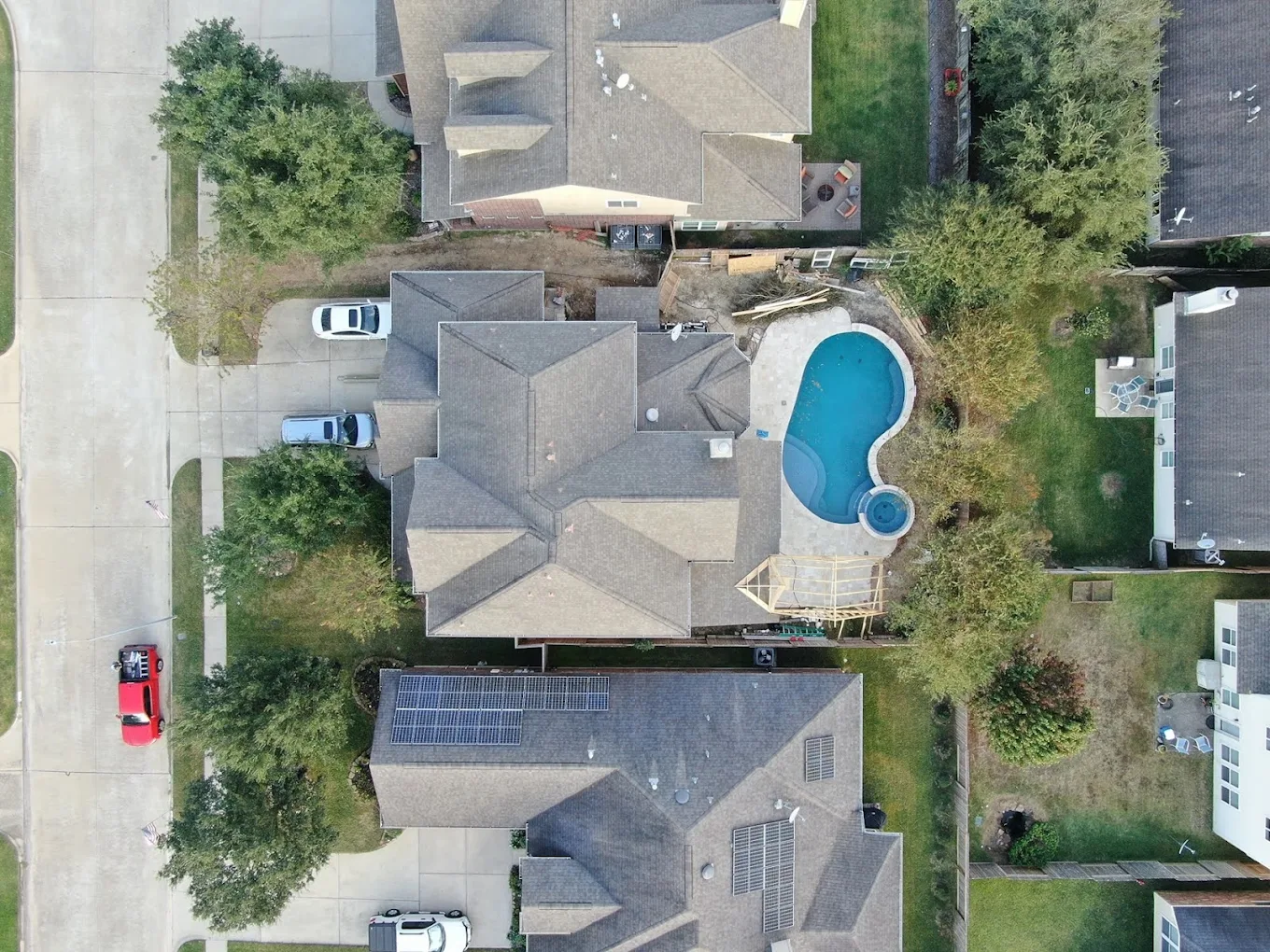
Nothing ruins your day like discovering a ceiling leak during a Houston downpour. But most major roof failures don’t happen overnight. They start as small, hidden issues—like a cracked shingle or failing sealant—that are often invisible from the ground. A professional roof inspection is designed to find these weak spots before they become expensive emergencies. It’s a proactive step that saves you money and stress. A thorough roof inspection report then documents these findings with clear photos, giving you a precise roadmap for preventative maintenance.
Think of a roof inspection report as a health check-up for your home’s most important shield. It’s a detailed document that gives you a clear, factual summary of your roof's current condition. A quality report moves beyond a simple price quote; it provides an objective analysis, outlining the roof’s structure, materials, and overall integrity. This information empowers you to make smart, confident decisions about maintenance, repairs, or replacement without feeling pressured.
Instead of relying on a salesperson’s opinion, a comprehensive report gives you data. It identifies specific issues, explains their potential impact, and provides a roadmap for what to do next. It’s your key to understanding the true state of your roof so you can protect your investment.
A thorough roof assessment goes far beyond a quick look from the curb. A professional inspector evaluates the entire roofing system to give you a complete picture of its health. The inspection should cover all critical areas, including the condition of the roofing materials like shingles or tiles, the integrity of the underlying structure, and the functionality of your drainage system, including gutters and downspouts.
The inspector will also check for potential vulnerabilities, such as issues with flashing around chimneys, vents, and skylights. An interior check of the attic and ceilings is also essential to find hidden signs of leaks or moisture. This complete roofing inspection guide ensures you have all the information needed to make sound decisions about your property.
A professional roof inspection report isn't just a collection of notes; it's a structured document designed for clarity. It should begin with a formal introduction that clearly states the purpose of the inspection and provides a high-level summary of the findings. This section establishes all the essential details right away: your name, the property address, the date of the inspection, and the inspector’s contact information. Think of it as the foundation of the entire report. A contractor who presents this information clearly and upfront demonstrates organization and respect for your time, allowing you to quickly confirm the report is for your property and understand the main takeaways without searching.
This initial summary is especially important because it gives you the bottom line first. Instead of making you read through pages of technical details to find the critical issues, a well-written report summarizes the most important findings at the beginning. This approach shows that the company values transparency and isn't trying to obscure the facts within a lengthy document. According to industry best practices, a report should always outline these important parts to set a professional standard and build immediate trust with the homeowner. It’s a clear sign you’re working with a professional who prioritizes clear communication.
Beyond the content, the report's appearance speaks volumes about the company you’ve hired. A legitimate report should always feature professional branding, including the company’s logo, official colors, and contact information. This isn't just about aesthetics; it’s about accountability and shows the company stands behind its findings. When a report looks polished and consistent, it builds your confidence that the work performed on your home will meet the same high standard. This visual consistency is a key part of establishing credibility, as a sloppy report can be a red flag. Using professional branding reinforces the company’s commitment to excellence and assures you that you are dealing with a reputable business that takes its work—and your home—seriously.
A professional roof inspection report should be clear, organized, and easy to understand. While formats vary, every reliable report will include a few key elements. Look for basic information first: the inspector’s name, the date, and details about your roof, such as its age, type, and materials.
The core of the report is the damage assessment. This section should detail any specific problems found, supported by high-quality photographs as visual evidence. Finally, the report should provide clear, prioritized recommendations. It will distinguish between urgent repairs and future maintenance needs, often including price estimates to help you plan. This structure ensures you receive a transparent, actionable document.
A roof inspection report is more than just a piece of paper; it’s a detailed health check for one of your home’s most critical assets. This document gives you a clear, factual understanding of your roof's condition, moving you from uncertainty to informed decision-making. It provides the objective data you need to plan, budget, and protect your investment without the pressure of a sales pitch.
Think of a roof inspection report as preventative care for your home. Small issues like a cracked shingle or a loose piece of flashing are often invisible from the ground but can lead to significant water damage and costly structural repairs if left unaddressed. A professional assessment identifies these potential problems before they escalate. By catching them early, you can schedule minor, affordable repairs instead of facing an expensive emergency later. This proactive approach not only saves you money but also extends the life of your roof, ensuring it performs as it should for years to come.
A detailed roof report is an essential tool for major financial transactions. When filing an insurance claim after a storm, a report with clear photographic evidence provides the objective documentation needed to support your case and streamline the process. For real estate, it offers critical transparency. As a buyer, a report uncovers potential liabilities before you commit. As a seller, it builds trust and can help justify your asking price. Many homeowners mistakenly believe a roof warranty eliminates the need for inspections, but a warranty won't cover issues caused by a lack of maintenance, making independent documentation invaluable.
Your roof is a major factor in your home’s overall value and curb appeal. A comprehensive inspection report helps you protect that investment by creating a clear roadmap for maintenance. Instead of guessing when work might be needed, you get a factual timeline for repairs and an eventual replacement. This allows you to budget for home maintenance proactively, avoiding the financial stress of an unexpected roof failure. A history of regular inspections and documented upkeep is also a powerful asset when you decide to sell, showing potential buyers that the home has been well-cared for and giving them confidence in their purchase.
A roofer's job shouldn't be to sell you a new roof; it should be to help you manage your home's most important asset. The difference lies in the quality of information you receive. When a contractor provides a detailed report filled with clear photos and objective analysis, the dynamic changes completely. You're no longer just listening to a sales pitch; you're reviewing facts together. This process builds trust and empowers you with the data needed to make informed decisions. A great report serves as a roadmap, helping you understand the "why" behind any recommendation. It turns your roofer from a salesperson into a trusted advisor who is focused on protecting your investment, not just making a sale.
A quality roof report is more than a simple price quote; it’s a detailed health check for one of your home’s most critical assets. It translates a complex system into clear, actionable information, empowering you to make confident decisions without the pressure. A truly comprehensive report breaks down the inspection findings into several key areas, giving you a complete picture of your roof’s condition from the inside out.
This is the core of the report. It provides a detailed evaluation of your roof's primary materials and structural components. The inspector will document the state of your shingles, tiles, or metal panels, looking for signs of aging like cracking, curling, or missing pieces. The assessment also covers critical elements like flashing around chimneys, vents, and skylights, as well as the condition of the underlayment and decking where visible. A professional report clearly outlines the overall condition of a roof, identifying specific areas that require immediate attention versus those that can be monitored over time.
Your roof doesn't work in isolation. A thorough report includes a full review of your home's water management system. Inspectors check all parts of your roof system, including gutters and downspouts, to ensure they are securely attached and free of clogs or damage. Improper drainage can cause water to back up under your shingles, damage your fascia boards, or even lead to foundation problems. This part of the report should identify any blockages, misalignments, or wear and tear that could compromise your roof's ability to shed water effectively, protecting your entire home from moisture damage.
Some of the most significant roofing problems reveal themselves from the inside. That’s why an interior inspection, particularly of the attic, is essential. An inspector will look for signs of water intrusion, like stains on the underside of the roof deck or damp insulation. They also check if the attic's ventilation is working correctly to prevent moisture buildup, which can lead to mold, mildew, and wood rot. This internal check provides crucial context, confirming whether exterior issues have already led to interior damage and helping to diagnose problems that aren't visible from the outside.
Words can only describe so much. A trustworthy roof report always includes high-resolution photos to document every finding. This visual evidence is critical for transparency, as it allows you to see exactly what the inspector saw without having to climb on the roof yourself. You'll get a detailed report with pictures of any problems, from a single cracked shingle to widespread granule loss. This documentation removes ambiguity, helps you understand the severity of each issue, and serves as a factual basis for any recommended repairs or replacements, ensuring you’re making decisions based on proof, not just opinion.
This section of the report provides important context about the inspection itself. It details the methods used, any safety precautions taken, and, crucially, any limitations the inspector faced. For example, if a portion of the roof was inaccessible due to safety concerns or obstructions, it will be noted here. A thorough roof assessment is a comprehensive process that covers everything from the shingles down to the drainage system. This section confirms that a complete evaluation was performed wherever possible and provides an honest account of the inspection process, so you have a clear and accurate understanding of the findings.
In an industry often stuck in the past, the difference between a paper checklist and a modern digital report is night and day. Traditional paper forms can be a source of frustration, with illegible handwriting, misplaced documents, and low-quality photos that don't show the real issue. These problems with paper forms create confusion and slow everything down. A digital report, like the one we provide at AI Roofing, delivers instant clarity. It organizes high-resolution photos, detailed notes, and clear recommendations into a professional, easy-to-share document. You get a permanent, searchable record you can access anytime, ensuring the facts are always at your fingertips.
Seeing a signature line can make anyone pause, but it’s important to know what you’re signing. On a professional roof report, the customer acknowledgment is not a contract for repairs. Instead, it’s simply a confirmation that you have received the report and that the inspector has reviewed the findings with you. This step is a key part of our transparent process, ensuring you have all the information in hand before making any decisions. It’s designed to close the loop on the inspection itself, providing a clear record that the data has been delivered and explained. This is a hallmark of a pressure-free approach focused on empowering you with facts, not pushing a sale.
A high-quality roof inspection report is more than a simple checklist; it’s a detailed health assessment for one of your home’s most critical assets. It should clearly document specific signs of wear and tear, potential failure points, and active problems. Vague statements aren’t helpful, so look for a report that uses clear language and photographic evidence to show you exactly what’s going on. This level of detail empowers you to make informed decisions based on facts, not pressure. A thorough report will break down its findings into several key categories of damage.
Your report should provide a clear assessment of your primary roofing material, which for most Houston homes is asphalt shingles. An inspector documents signs of aging and wear, such as shingles that are cracking, curling at the edges, or blistering. Missing shingles are an obvious red flag, as they leave the underlayment exposed to the elements. The report should also note any significant moss or algae growth, which can trap moisture and accelerate deterioration. These observations help determine if your roof is performing as it should or if it’s approaching the end of its functional lifespan, giving you a realistic timeline for future planning.
Flashing is the metal material installed wherever your roof is penetrated by an object, like a chimney, vent pipe, or skylight. Its job is to direct water away from these vulnerable seams. A detailed report will always include a close look at these areas. An inspector checks for flashing that is rusted, dented, torn, or pulling away from the roof. Poorly sealed flashing is one of the most common sources of leaks, so identifying these failures early is critical. The report should specify the location and severity of any flashing issues, as these often require immediate attention to prevent water intrusion.
One of the most important tasks during an inspection is searching for evidence of water intrusion. This isn’t just about looking for drips in the living room. A proper roofing inspection includes checking the attic or crawlspace for signs of trouble. Your report should mention any dark stains, damp spots, or discoloration on the underside of the roof decking. These are clear indicators of a past or present leak. The inspector will also look for signs of mold or mildew, which thrive in damp environments and can point to a long-term moisture problem that needs to be addressed.
Asphalt shingles are covered in tiny ceramic granules that protect them from the sun’s harsh UV rays. Over time, these granules wear away and collect in your gutters. While some loss is normal, a report should note if it’s excessive, as this indicates the shingles are weakening and aging faster. The inspection should also assess your attic’s ventilation system. Proper airflow is essential for regulating temperature and moisture. The report will identify blocked vents or inadequate ventilation, which can lead to heat buildup that bakes shingles from below and shortens your roof’s life.
Think of a roof inspection as a key part of your home's preventative care routine. Instead of waiting for a leak to appear in your ceiling, a proactive approach helps you stay ahead of problems and protect your investment. The right frequency for an inspection depends on three main factors: your roof’s age, our local Houston weather, and your annual maintenance schedule. Understanding when to call for a professional assessment saves you from costly emergency repairs and gives you peace of mind.
It’s a good idea to have your roof checked once a year. Think of it as a yearly health check-up for one of your home’s most important assets. An annual inspection allows a professional to find small issues, like cracked sealant around vents or a few loose shingles, before they become major leaks. In a climate like Houston’s, the intense sun and humidity can accelerate wear and tear. A yearly look helps ensure your roof is handling the elements properly and allows you to plan for routine maintenance without the stress of an emergency.
Houston is no stranger to severe weather. After a major event involving heavy rain, hail, or strong winds, you should schedule an inspection. Storm damage isn't always visible from the ground. High winds can lift shingles and break their seals, leaving them vulnerable to future leaks, while hail can create small bruises that compromise the shingle’s protective outer layer. A professional assessment can identify this kind of hidden damage, providing you with the documentation needed for an insurance claim and preventing small problems from escalating.
Your roof's age is a critical factor in determining inspection frequency. Whether your roof is brand new or nearing the end of its lifespan, regular checks are vital. For newer roofs (under 5 years), an inspection can confirm the quality of the installation and catch any material defects early. For roofs in their middle years (5-15 years), inspections help monitor normal wear and create a long-term budget for replacement. If your roof is older (15+ years), annual inspections are essential to safely extend its life and plan for a replacement on your own schedule, not in a crisis.
A professional roof inspection is a systematic process designed to give you a clear, factual understanding of your roof's condition. It’s not a sales call; it’s a diagnostic assessment. The inspector’s goal is to identify existing issues, spot potential vulnerabilities, and gather the data needed to create an accurate report. Knowing what happens during this process can help you feel more confident and prepared. The entire inspection is designed to be efficient and thorough, providing you with the insights you need without disrupting your day.
From the moment the inspector arrives, they should be focused on a methodical evaluation, using their expertise and tools to build a complete picture of your roof’s health. This involves more than a quick glance from the ground. A true professional will examine every component, from the shingles and flashing to the ventilation and underlying structure. They document their findings with photos and detailed notes, ensuring the final report is based on evidence, not assumptions. This data-driven approach removes guesswork and empowers you to make decisions based on facts.
The inspection begins with a comprehensive visual check of the entire roofing system. Your inspector will likely walk on the roof to get a close look at the shingles, flashing around chimneys and vents, and the condition of the seals. They will document any signs of wear, damage, or improper installation with photographs. To see hard-to-reach or dangerously steep areas, inspectors often use drones for a safe and complete view. Advanced tools like infrared scanners may also be used to detect hidden moisture beneath the surface, revealing problems that aren't visible to the naked eye. This combination of hands-on examination and modern technology ensures a thorough roofing assessment.
A standard roof inspection on a typical single-family home usually takes between 45 and 90 minutes to complete. The exact time can vary depending on the roof's size, complexity, and how easily it can be accessed. The inspector will need safe access to your property and may need to get into your attic to check for signs of leaks, inadequate ventilation, or structural issues from the inside. It’s a good idea to be home during the inspection so you can grant access and ask any initial questions. A professional will always respect your property and work efficiently to minimize any disruption to your schedule.
Never attempt to inspect your own roof. Walking on a roof is dangerous without proper training and safety equipment, and you could easily miss subtle signs of damage that a professional would spot. For insurance claims or real estate transactions, only a report from a qualified inspector is considered valid. Look for inspectors with recognized credentials, as certified professionals are trained to identify issues accurately and can help you understand the difference between a minor repair and a major problem. Their expertise ensures that the report you receive is reliable, objective, and free from the pressure of a sales pitch.
A detailed roof inspection report is your roadmap to understanding your roof's health. But like any technical document, it can feel a little overwhelming at first glance. A quality report from a professional inspector should be clear and straightforward, but knowing how to interpret the findings is key to making confident, informed decisions for your home. The goal isn't just to see a list of problems; it's to understand the context, severity, and recommended actions for each item.
Think of the report as a conversation between the inspector and you. It should translate complex observations into actionable insights, helping you see your roof through an expert’s eyes. This section will walk you through the key elements of a roof inspection report, highlighting what to look for and how to interpret the findings effectively. We'll cover how to understand condition ratings, define common technical terms, distinguish between urgent repairs and routine upkeep, and make sense of cost estimates. By the end, you'll be able to read your report with clarity and plan your next steps without pressure.
Your report will likely use a rating system to classify the condition of different roof components. This might be a simple scale like "Good," "Fair," or "Poor," or a color-coded system like green, yellow, and red. These ratings are your first clue for prioritizing action. A "Poor" or "Red" rating usually signals an urgent issue that needs immediate attention to prevent further damage, like an active leak or compromised structural support. A "Fair" or "Yellow" rating often points to areas showing wear that should be monitored or addressed in the near future. "Good" or "Green" means the component is performing as expected. Understanding these condition ratings helps you focus on what matters most, turning a long list of observations into a manageable action plan.
A quality report does more than just list problems; it organizes them into clear priorities so you know exactly what to do next. This is the key difference between a genuine assessment and a thinly veiled sales pitch. Look for a report that breaks down findings into distinct categories: urgent, recommended, and future maintenance. Urgent issues are the non-negotiables—like active leaks or failing flashing—that require immediate action to prevent further damage. Recommended repairs cover areas of wear that could become serious problems later. Finally, future maintenance helps you plan and budget for long-term upkeep. This tiered approach removes the guesswork, allowing you to tackle critical fixes now and schedule other work without feeling pressured.
Roofing has its own vocabulary, and a good report should avoid excessive jargon. However, you'll likely encounter some specific terms. Familiarizing yourself with a few key words will help you better understand the inspector's findings. For example, flashing refers to the metal pieces that seal joints around chimneys and vents, while underlayment is the water-resistant barrier between the shingles and the roof deck. The decking is the wood foundation of your roof. Knowing these terms empowers you to have a more meaningful conversation with your roofer and fully grasp the recommendations. A trustworthy inspector will always take the time to explain these terms, but a basic roofing glossary can be a helpful resource.
Not every issue identified in your report is a five-alarm fire. It's crucial to differentiate between routine maintenance and urgent repairs. Maintenance includes proactive tasks like cleaning gutters, trimming overhanging branches, or sealing a minor crack in a pipe collar. These small actions prevent bigger, more expensive problems down the road. Urgent repairs, on the other hand, address existing damage that could lead to significant issues if ignored, such as replacing missing shingles, fixing faulty flashing that's causing a leak, or addressing soft spots in the decking. Your report should clearly distinguish between these two categories, helping you create a practical and budget-friendly plan for your roof's care.
A comprehensive report should provide clear, itemized cost estimates for any recommended repairs. Vague, bundled pricing can hide unnecessary charges, so look for a breakdown of labor and material costs. This transparency allows you to see exactly what you're paying for and helps you compare quotes if you decide to get a second opinion. The report should also include a recommended timeline for each action. Is this a repair that needs to be done this month, or is it something you can budget for over the next year? Reviewing these estimates and timelines helps you plan financially and schedule work without feeling rushed into a decision, ensuring you can protect your home on your own terms.
When you're facing roof damage, one of the biggest questions is whether to repair the problem area or replace the entire roof. A helpful guideline many professionals use is the 25% Rule. In simple terms, if the damage affects more than a quarter of your roof's surface, a full replacement is often the more practical and financially sound decision. This isn't about upselling; it's about long-term performance. Attempting to patch widespread issues can lead to a cycle of costly repairs, as fixing one spot often puts stress on another. The rule helps you avoid sinking money into a roof that's already past its tipping point.
Think of it this way: trying to patch together a roof with extensive damage is like putting a band-aid on a broken bone. It might cover the immediate issue, but it doesn't solve the underlying problem. Large-scale repairs can create an uneven surface, and matching new shingles to older, sun-faded ones is nearly impossible, resulting in a patchwork look that can hurt your home's curb appeal. A full replacement, while a larger initial investment, resets the clock. It provides a seamless, uniform barrier against the elements and ensures all components are new and working together, which is a key factor when you weigh your options for protecting your home.
The 25% Rule is a powerful guideline, but it’s useless without accurate data. How can you know for sure how much of your roof is damaged? This is where a detailed, data-driven report becomes essential. Instead of relying on a roofer’s vague assessment, a comprehensive inspection provides clear photographic evidence and precise measurements of all affected areas. This allows you to see the scope of the damage for yourself. With this information, you can confidently evaluate whether your roof's condition falls under the 25% Rule, turning a high-pressure sales situation into a clear, fact-based decision.
Navigating roof maintenance can feel tricky, especially with so much conflicting information out there. Many common beliefs about roof inspections are outdated or simply incorrect, leading homeowners to make decisions based on assumptions rather than facts. Let's clear up a few of the most persistent myths so you can approach your roof's health with confidence and clarity. Understanding the difference between a sales pitch and a genuine assessment is the first step toward protecting your home effectively.
The offer of a "free" roof inspection can be tempting, but it’s important to understand what you’re actually getting. Often, these are not true diagnostic assessments but sales opportunities designed to find a reason to sell you a new roof. Some homeowners delay regular roof inspections because they assume insurance will cover any future problems, but this can be a costly mistake. A comprehensive, data-driven assessment is an investment in your home’s health. It provides an unbiased, factual report on your roof's condition, helping you identify minor issues before they become expensive emergencies, regardless of whether a full replacement is needed.
A common myth is that a new roof doesn’t need inspection. However, even brand-new installations can have hidden defects or errors in workmanship that can lead to leaks and premature aging. A post-installation inspection ensures everything was done correctly and gives you peace of mind. A professional report should clearly define its scope, detailing exactly what was examined, from the shingles and flashing down to the attic ventilation. This transparency helps you understand the complete picture of your roof’s health and what areas might need monitoring in the future.
It takes a trained eye to properly evaluate a roof. An untrained person, or a salesperson focused on a commission, may miss subtle signs of wear or misinterpret what they see. Only trained professionals can accurately identify both visible and hidden damage, providing a factual analysis based on evidence, not pressure. While some worry that a thorough inspection will be expensive, it’s a small price to pay for certainty. A detailed report empowers you with objective data, allowing you to make informed decisions about repairs or maintenance without the stress of a hard sell.
It’s crucial to understand that a roof inspection report and a repair estimate serve two different purposes. A report is a diagnostic tool; its only job is to present the facts about your roof's condition. An estimate is a sales document; its job is to propose a solution at a specific price. When a contractor combines them, it can be difficult to separate objective findings from a sales pitch. This approach often creates pressure, making you feel rushed to decide on expensive work without first having the space to understand the underlying issues. A quality report should empower you with a clear, data-driven analysis, free from the influence of a price tag.
Separating the two documents ensures transparency and puts you in control. You should first receive a detailed report that outlines all findings with photographic evidence. This allows you to review the facts, ask questions, and understand the urgency of each issue. Only after you’ve absorbed this information should you discuss solutions and costs. This two-step process builds trust and turns the roofer into a true advisor, not just a salesperson. It ensures your decisions are based on a clear understanding of your roof’s health, allowing you to plan and budget for repairs with confidence.
Receiving a comprehensive roof inspection report is the first step toward protecting your home. Now that you have the data, it’s time to turn those insights into a clear action plan. A good report gives you the facts you need to make confident, informed decisions without feeling pressured. The next steps involve prioritizing the work, finding the right professional for the job, and knowing where to turn if you have questions.
Think of your inspection report as a roadmap for your roof's health. It should clearly outline the condition of every component and separate urgent issues from routine upkeep. Start by focusing on the high-priority items, like active leaks or significant flashing damage, as addressing these promptly can prevent more extensive and costly problems down the road.
Regular roof maintenance is just as important as immediate repairs. Your report might recommend tasks like cleaning gutters, trimming overhanging branches, or replacing worn sealant. Tackling these smaller jobs helps extend your roof's lifespan and keeps it performing as it should. A detailed report empowers you to create a logical, budget-friendly plan for both immediate and future care.
With your report in hand, you can find a roofing contractor to perform the necessary work. Look for a professional who is transparent, communicative, and willing to walk you through their process. Before hiring anyone, confirm they have the proper licensing and insurance, including general liability and worker's compensation. This protects you from any potential accidents or property damage.
Get at least three detailed quotes, but remember that the lowest bid isn't always the best choice. A trustworthy contractor will provide a clear, itemized estimate that aligns with the findings in your inspection report. Ask for references from recent projects and check online reviews to get a sense of their reputation and the quality of their work.
Roofing terminology can sometimes feel like a different language, and it’s completely normal to have questions. A quality inspection report should be written in clear terms, but don't hesitate to seek clarification on anything you don't understand. Your goal is to feel confident about your decisions, and that starts with fully understanding the report's findings.
If you have questions about specific terms or recommendations, your first call should be to the company that performed the inspection. A reputable inspector will be happy to explain their assessment in greater detail. They can help you understand the severity of each issue and the reasoning behind their recommendations, ensuring you have all the information you need to move forward.
How is a professional inspection report different from a free estimate? A free estimate is essentially a price quote for a specific job, often focused on selling you a service. A professional inspection report, on the other hand, is a comprehensive diagnostic assessment of your entire roofing system. It provides a factual, data-driven analysis of your roof's condition, complete with photographic evidence and clear explanations, so you can make an informed decision without sales pressure.
Do I need an inspection if my roof looks fine from the ground? Yes, it's a good idea. Many of the most common roofing problems, like cracked flashing, hail bruises, or lifted shingles from wind, are nearly impossible to spot from your yard. A professional gets a close-up view of the materials and also checks the attic for hidden signs of moisture, giving you a complete picture of your roof's health and catching small issues before they turn into major leaks.
Will a roof inspection always lead to a recommendation for a full replacement? Absolutely not. A trustworthy inspection is about providing an honest assessment of your roof's current condition. A detailed report should clearly distinguish between routine maintenance tasks, specific repairs, and the need for a full replacement. The goal is to give you a clear, prioritized action plan based on facts, not to push an unnecessary sale.
My roof is only a few years old. Is an inspection still necessary? Even new roofs can benefit from an inspection. An assessment can catch potential installation errors or material defects that might not be obvious right away. It also establishes a baseline of your roof's condition, making it easier to monitor its health over time and address any issues while they are still small and manageable.
How long does an inspection take, and do I need to be home for it? A typical inspection takes about 45 to 90 minutes, depending on the size and complexity of your roof. While you don't need to be present for the exterior portion, it's helpful to be home so the inspector can access the attic to check for interior signs of leaks or ventilation problems. This also gives you a great opportunity to ask any questions you might have.
If your inspection report recommends significant repairs or a full replacement, your next step might involve the city permitting office. Most major roofing work requires a permit to ensure it complies with local building codes and safety standards. Your detailed inspection report is the perfect starting point for this process. It provides the objective, third-party documentation that explains why the work is necessary. Instead of just a contractor’s quote, you have a factual assessment with photographic evidence, which can help streamline the permit application and demonstrate due diligence. This step protects you, ensuring the work is done to code and properly recorded by your municipality.
For repairs, maintaining your home's curb appeal and structural integrity means ensuring the new materials blend seamlessly with your existing roof. A mismatched patch can be an eyesore and may not perform as well over time. A quality inspection report should specify the type, brand, and color of your current shingles or tiles. This level of detail is crucial. It empowers you to have a clear, informed conversation with your contractor, confirming that the correct materials are being ordered and installed. This prevents guesswork and ensures the repair not only fixes the problem but also matches your roof perfectly, protecting your home’s value.
Once the inspection is complete, make sure you receive and save a copy of the report for your records. It’s wise to keep both a digital version that’s easy to email and a paper copy to file with your other important home documents. This report is a key part of your home’s maintenance history. It can be invaluable for future insurance claims, providing a baseline of your roof's condition before a storm. It’s also a powerful asset if you decide to sell your home, as it demonstrates to potential buyers that you have been a proactive and responsible homeowner. A clear, straightforward report is a tool you can keep for future reference, helping you make confident decisions for years to come.
Roofing Resources