Home
Home
Services
Services

Resources
Resources
Storm Restoration
Storm Restoration
Roof Systems
Roof Systems
Locations
Locations
Get a free roof condition report template and step-by-step guide. Learn how to document your roof’s condition and plan repairs with confidence.
The roofing industry has a reputation for high-pressure sales tactics that can leave homeowners feeling confused and uncertain. We believe you deserve better. You deserve facts, not fear. A data-driven roof condition report is the most powerful tool you can have when making decisions about your home. It replaces opinions and assumptions with objective evidence, including high-resolution photos and detailed analysis. This document empowers you with a clear understanding of your roof’s health, so you can take control of the conversation and make choices that are right for your home and your budget.
Think of a roof condition report as a complete health check-up for your roof. It’s a detailed document that gives you a clear, unbiased picture of its current state. Instead of relying on guesswork or a quick glance from the curb, a formal report provides a structured assessment of every component, from shingles and flashing to gutters and ventilation. This document is the foundation for making smart, informed decisions about maintenance, repairs, or replacement, ensuring you act based on facts, not pressure.
A roof condition report is a formal assessment that documents the state of your roof system. It identifies existing issues like leaks and storm damage, as well as potential problems such as poor ventilation or aging materials that could fail soon. For homeowners, this report is essential because your roof's condition plays a pivotal role in your property's overall value and safety. A thorough report, often guided by a comprehensive roof inspection checklist, gives you the clarity needed to protect your investment, prevent small issues from becoming costly disasters, and plan for future maintenance with confidence. It’s your go-to resource for understanding exactly what’s happening over your head.
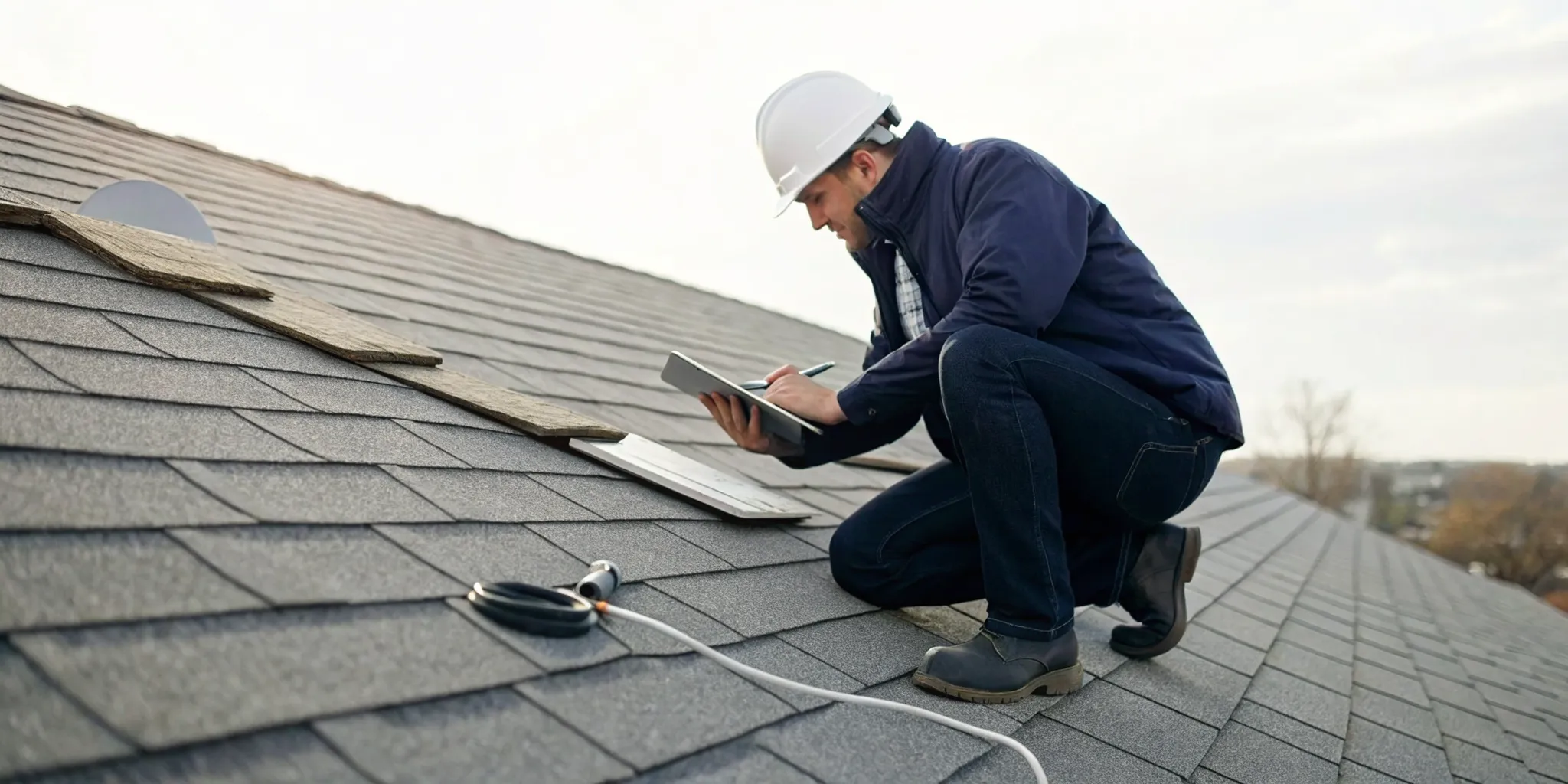
While you can certainly perform a basic visual check from the ground, a do-it-yourself inspection can’t replace a professional assessment. A DIY look might catch obvious issues like missing shingles, but it will likely miss subtle signs of water intrusion, structural weaknesses, or improper installation. Using a free roof report template can help organize your own observations, but it lacks the diagnostic expertise of a trained inspector. In contrast, professional roof surveys are far more detailed and leverage specialized tools and experience to provide a complete analysis. A professional can safely access the roof, identify hidden damage, and give you a reliable assessment you can use for insurance claims, real estate transactions, or planning major repairs.
A roof condition report is more than a simple checklist; it’s a vital tool for protecting your home. It gives you a clear, data-backed understanding of your roof's current state, helping you make informed decisions without guesswork or sales pressure. A detailed report provides the clarity and confidence you need to manage your home’s upkeep, protect its value, and ensure your family’s safety.
Your roof is a major factor in your home's curb appeal and overall worth. A well-maintained roof signals that a property is cared for, which can directly impact its market price. During an appraisal, the roof's condition is a key consideration. A detailed report serves as concrete evidence of your roof’s health, helping ensure your home’s appraised value reflects its excellent condition and turning subjective opinions into objective facts.
In real estate and insurance transactions, clear documentation is critical. A professional roof condition report provides the unbiased, detailed information that adjusters and agents require. For insurers, it substantiates a claim with clear evidence, which can speed up the approval process. For home buyers and sellers, it removes uncertainty and builds trust between all parties, leading to smoother negotiations and closings.
A compromised roof is a safety hazard. Issues like loose materials or hidden structural decay can lead to serious problems, from interior water damage to falling debris. Regular, documented inspections help you identify and reduce these safety risks before they become emergencies. By proactively addressing potential failures, you protect the people under your roof and minimize your liability as a homeowner.
The best way to avoid a costly roofing emergency is to plan ahead. A roof condition report gives you a clear roadmap for future maintenance, turning reactive repairs into a proactive strategy. By understanding the current lifespan of your materials and identifying minor issues, you can prevent big problems from developing. This allows you to budget for future work and schedule it on your own terms.
A truly comprehensive roof report is much more than a simple pass-fail checklist. Think of it as a detailed health record for the top of your home. It provides a clear, data-driven snapshot of your roof's current condition, identifies potential risks, and gives you a practical roadmap for maintenance and repairs. A vague, one-page summary just doesn’t cut it. You need a document that breaks down every component, from the shingles you see every day to the decking and ventilation hidden underneath.
A professional report is structured to be clear, organized, and complete, building a foundation of trust between you and your inspector. It should empower you with facts, not pressure you with fear. By understanding what goes into a quality report, you can ensure you’re getting the information you need to protect your investment. A thorough assessment will cover everything from the basic property details to specific exterior and interior findings, all supported by visual evidence. It concludes with straightforward recommendations and transparent cost estimates, so you know exactly where you stand.
Every professional roof report begins with the basics to establish a clear record. This section includes fundamental information like your property address, the date and time of the inspection, and the name of the certified inspector. It will also note key details about your roof, such as its age, material type (like asphalt shingle, metal, or tile), and overall design. This information provides essential context for the rest of the findings. A standardized report format ensures that no detail is missed and that the information is presented in a consistent, easy-to-understand way. This foundational data is the starting point for an accurate and reliable assessment.
The exterior inspection is a systematic evaluation of every visible component of your roof system. The inspector will carefully check for damaged, missing, or curling shingles, which are common entry points for water. They will also look for signs of moss or algae growth, which can trap moisture and degrade roofing materials over time. The assessment includes an examination of the roof lines for any sagging, as well as the condition of chimneys, vents, and fascia boards. Special attention is paid to the flashing, the metal strips that seal joints around vents and chimneys, to spot any cracks or gaps. Finally, the report will document the state of your gutters and downspouts, ensuring they are clear and functioning correctly.
What happens on the outside of your roof often shows up on the inside first. That’s why an interior inspection, typically in the attic, is a critical part of a complete assessment. An inspector will look for tell-tale signs of leaks, such as water stains on the ceiling or dampness on the underside of the roof deck. They will also check for mold or mildew growth, which can indicate a long-term moisture problem. The condition of your insulation and the effectiveness of your attic ventilation are also evaluated, as poor airflow can lead to heat and moisture buildup. Finally, the report will note the structural integrity of the rafters and beams, checking for cracks, sagging, or pest damage.
Words can only describe so much; pictures provide undeniable proof. A quality roof report will always include clear, high-resolution photos documenting any areas of concern. These images serve as objective evidence, showing you exactly what the inspector sees without any filter or exaggeration. Instead of just telling you about damaged flashing or worn shingles, the report will show you. Often, these photos are annotated with arrows or circles to pinpoint the exact location and nature of the issue. This visual documentation is key to our transparent process, as it allows you to verify the findings for yourself and understand the reasoning behind any recommendations.
A great report doesn’t just list problems; it provides solutions. After detailing all the findings, this section should offer clear, actionable advice on what to do next. The recommendations will be prioritized, helping you understand the difference between urgent issues that require immediate attention and minor concerns that can be monitored. For example, an active leak would be a high-priority fix, while a few granules wearing off your shingles might be a lower-priority item to watch. This guidance helps you make informed decisions without feeling overwhelmed. It’s about creating a practical plan that fits your timeline and budget, ensuring you address the most critical needs first.
To complete the picture, a comprehensive report should include transparent cost estimates for any recommended repairs. This removes uncertainty and helps you plan financially for the work ahead. The estimates should be broken down so you can see the projected costs for labor and materials associated with each specific task. Having this information upfront allows you to budget accordingly and compare options without any sales pressure. A detailed written report with associated costs ensures there are no surprises down the line. It’s a vital part of a trustworthy assessment, giving you all the information you need to protect your home confidently.
Knowing when to schedule a roof inspection can feel like a guessing game, but a few key milestones make it simple. Regular check-ups are the best way to protect your home and avoid surprise repairs. Think of it like a routine physical for your roof. The right frequency depends on your roof’s age, recent weather, and whether you’re planning to buy or sell your home. Here’s a straightforward guide to help you stay on top of it.
As a general rule, having your roof professionally inspected every one to two years is a smart move. However, as your roof gets older, you’ll want to increase that frequency. An aging roof is more susceptible to wear and tear from sun, wind, and rain. For roofs over 15 years old, an annual inspection is essential for catching minor issues before they become major headaches. If your roof is approaching the end of its expected material lifespan, it's critical to monitor its condition closely. Proactive inspections help you plan for an eventual replacement on your own terms, rather than being forced into a rushed decision by a sudden failure.
Here in Houston, we’re no strangers to severe weather. After any major event like a hurricane, hailstorm, or intense windstorm, you should have your roof inspected, even if you don’t see any obvious damage from the ground. Hidden issues like lifted shingles, cracked flashing, or granule loss can lead to slow leaks that cause significant interior damage over time. If you notice any warning signs like damp spots on your ceiling or find shingles in your yard, it’s time to call for a professional storm damage assessment. A prompt inspection can prevent a small, easy-to-fix problem from turning into a costly and disruptive repair.
A roof inspection is a non-negotiable part of any real estate transaction. If you’re buying a home, a detailed report gives you a clear picture of the roof’s condition and can be a powerful tool during negotiations. It helps you avoid unexpected, expensive repairs after you’ve already closed on the property. For sellers, a pre-listing inspection demonstrates transparency and builds trust with potential buyers. Providing a clean, data-backed report can streamline the closing process and prevent last-minute surprises that could derail the sale. In either case, an unbiased, factual assessment is key to making a confident real estate decision.
A thorough roof condition report does more than just confirm you have a roof. It acts as a diagnostic tool, identifying subtle issues before they become expensive disasters. Many of these problems are invisible from the ground and require a trained eye and the right technology to spot. A detailed report documents everything from material degradation to hidden water intrusion, giving you a complete picture of your roof’s health and a clear path forward for maintenance or repairs.
Leaks are often the first sign homeowners notice that something is wrong. A professional report goes beyond spotting the obvious water stain on your ceiling; it traces the moisture back to its source. The culprit could be compromised flashing around a chimney, a cracked pipe boot, or a section of wind-lifted shingles. A comprehensive inspection documents the extent of the water damage, which can affect insulation, framing, and drywall. Identifying the entry point is critical to performing an effective repair and preventing mold growth or further deterioration inside your home.
Structural problems are among the most serious issues a roof can have. A report will document any sagging, dipping, or unevenness in the roofline, as these often point to underlying trouble with the roof deck or support rafters. If the roof sags, it could mean there are serious structural problems underneath that are costly to fix. This can be caused by prolonged water exposure that has rotted the decking, broken trusses from impact, or even poor initial construction. Photo evidence in a report is essential here, as it provides clear proof of the roof's structural integrity and helps you understand the urgency of the recommended repairs.
Your roof is constantly exposed to the elements, and its materials naturally wear down over time. A detailed inspection assesses the condition of every component. An inspector will look for missing, cracked, or curled shingles and check for excessive shingle granules in your gutters, which are all signs your roof needs attention. Beyond the shingles, the report will evaluate the seals around vents, the condition of the flashing in valleys and around chimneys, and the state of the underlayment. Understanding the lifespan of your roofing materials helps you plan for future replacement and avoid being caught off guard by sudden failure.
A roof is a complete system, and proper airflow and water runoff are critical to its longevity. Inspectors look at everything on your roof, including flashings, gutters, downpipes, and soffits. Blocked gutters or downspouts can cause water to back up and seep under the shingles, leading to rot in the fascia boards and roof deck. Similarly, poor attic ventilation can trap heat and moisture, which can bake your shingles from below in the summer and contribute to moisture issues in the winter. A good report will identify these system-level problems and recommend solutions to ensure your entire roof functions as it should.
When it comes to roofing, what you don't know can definitely hurt you. Misconceptions about roof inspections often lead homeowners to delay action, resulting in expensive and stressful repairs down the road. Let's clear up a few common myths so you can make informed, confident decisions about protecting your home.
Waiting until you see a water stain on your ceiling is like waiting for your engine to smoke before checking the oil. By then, the damage is already done. Proactive inspections are designed to catch subtle issues, like storm damage or failing sealant, before they become major headaches. Regular roof maintenance is the key to preventing small problems from escalating into thousands of dollars in repairs. A professional assessment gives you a clear picture of your roof's health, allowing you to plan for the future instead of reacting to a crisis. It’s about staying ahead of the game and protecting your investment.
Not all roof reports are created equal. A basic report might just be a simple checklist, leaving you with more questions than answers. A truly comprehensive report, however, tells a complete story. It combines high-resolution imagery, detailed measurements, and clear explanations of any issues found. This level of detail is what separates a guess from a diagnosis. A professional report should empower you with objective data, so you understand exactly what’s going on up there. It provides the evidence you need to validate recommendations, making you a partner in the decision-making process, not just a recipient of a sales pitch.
It’s easy to dismiss a single cracked shingle or a small area of worn granules as “no big deal.” But on a roof, small issues are often the entry point for much larger problems. Water is persistent and can find its way through the tiniest openings, leading to hidden rot, mold, and compromised structural integrity over time. Addressing these minor flaws promptly is crucial for extending the lifespan of your roof. Think of it as preventative care for your home. A small, inexpensive repair today can save you from a premature and costly full roof replacement in the future.
The quality of your roof condition report depends entirely on the company you hire. A great inspection provides clear, objective data that empowers you to make informed decisions, while a poor one can feel more like a high-pressure sales pitch. To ensure you get facts instead of fear, look for a company that combines modern tools with proven expertise and a commitment to transparency. Here’s what to focus on.
A modern roofing company should use more than just a ladder and a clipboard. Companies that invest in advanced technology can provide a far more accurate and thorough assessment of your roof’s condition. Look for inspectors who use tools like high-resolution drones for safe and detailed aerial views, thermal imaging to detect hidden moisture, and specialized software to analyze findings. These digital tools remove the guesswork from the equation, replacing assumptions with objective data. This approach not only leads to a more precise report but also ensures every angle of your roof is examined without unnecessary foot traffic, protecting your shingles from potential damage.
Technology is only as good as the person using it. Always verify that the company has experienced, certified professionals on staff. Reputable inspectors often hold certifications from organizations like the National Roof Certification and Inspection Association (NRCIA) or are HAAG Certified, which is a standard for residential and commercial roof assessment. Local experience is also key, especially in areas with unique weather challenges like Houston. An inspector who understands the effects of humidity, intense sun, and hurricane season will know exactly what to look for. A truly professional report is a direct reflection of the inspector’s expertise and builds the trust needed to make confident decisions about your home.
The final report you receive should be a clear, easy-to-understand document, not a confusing sales tool filled with technical jargon. A trustworthy company will provide a detailed, written report with photos that visually document any areas of concern. The findings should be explained in plain language, and recommendations should be prioritized so you know what needs immediate attention versus what can be monitored over time. The report should also include clear cost estimates for any proposed repairs, allowing you to plan and budget without feeling pressured. Ultimately, the goal of a report is to give you the clarity and confidence to protect your investment.
A comprehensive roof report is packed with information, but it shouldn't feel like a technical manual. At its core, the report is a tool to help you understand your roof's current health and make confident, informed decisions. A quality report from a trusted inspector will be clear, detailed, and built on objective data, not confusing jargon. It translates complex findings into a straightforward action plan, giving you a clear path forward.
Think of your roof report as a health check-up for one of your home’s most critical assets. It identifies what’s working well, flags areas of concern, and outlines a strategy to keep everything in top shape. The goal is to empower you with facts so you can protect your investment without pressure or guesswork. By understanding the key components, you can use the report to prioritize repairs, plan for future maintenance, and ensure your home remains safe and secure.
A good roof report is written for you, the homeowner, not for other roofers. It should use simple, direct language to explain its findings. You shouldn't need a glossary to understand the condition of your roof. Key terms should be defined, and every observation should be backed by high-resolution photos. Visuals are essential; annotated images that point directly to a cracked shingle, damaged flashing, or area of water intrusion provide undeniable proof. A professional roof report template will always include your property details, the inspection date, and information about your roof type, ensuring the document is a clear and official record.
Once you understand the findings, the next step is to focus on the recommendations. A trustworthy report won’t just give you a long list of problems; it will organize them by urgency. Recommendations are typically sorted into categories like "Critical," "Recommended," and "Monitor." Critical issues, such as active leaks or significant structural damage, require immediate attention to prevent further harm to your home. Recommended repairs address problems that could worsen over time, while items in the monitor category are minor issues to keep an eye on. This tiered approach helps you create a logical, budget-friendly plan and can significantly increase your home's value when it's time to sell.
Your roof report is more than just a snapshot in time; it’s a roadmap for long-term care. Use the findings to build a proactive maintenance plan that protects your home and prevents small issues from becoming costly emergencies. The report helps you anticipate future needs, whether it’s scheduling a cleaning for moss growth or budgeting for an eventual replacement. Regular roof inspections are a key part of this plan, allowing you to track the condition of your roof over the years. By treating your roof report as a living document, you can stay ahead of potential problems and extend the life of your roof, ensuring your home remains safe and comfortable for years to come.
A professional roof condition report gives you a clear, detailed picture of your roof's health. To help you understand what a thorough assessment includes, we’ve created a template that outlines the key areas a roofing expert should cover. Think of it as your guide to a quality inspection, ensuring nothing gets missed. It empowers you to ask the right questions and understand the recommendations you receive, so you can make decisions with confidence instead of pressure.
This template is a great starting point for documenting your roof's condition, whether you're preparing for a professional inspection or keeping records for your own maintenance plan. It helps you organize your thoughts and ensures all critical details are captured in one place.
A good roofing inspection report is systematic and detailed. Our template is designed to help you or your contractor document everything methodically. It includes dedicated sections for customer and inspector details, weather conditions at the time of inspection, and the specific roof type. The core of the report covers both exterior and interior checks, a thorough damage assessment, and a clear summary of recommendations. We’ve also included space for photos and notes, which are essential for providing visual evidence. This comprehensive format ensures all critical aspects are covered, leaving no room for ambiguity.
To get the most out of this template, you can tailor it to your specific needs. While using a standard template helps maintain a professional and consistent format, small adjustments can make it even more effective. For example, you might add a section to track a known issue or note areas of concern you want a professional to examine closely. If you're preparing for an insurance claim, you can highlight sections related to storm damage. The goal is to create a document that is relevant and useful for your property's unique situation, giving you a clear record to reference over time.
Understanding your roof's condition is the first step toward protecting your home's value and safety. Homeowners should know that regular roof inspections are crucial for identifying small issues before they become expensive problems. Consistent checks not only protect the physical structure of your home but also give you peace of mind. By staying proactive, you can plan for future maintenance and avoid unexpected repairs. A well-maintained roof is a key part of a secure and valuable home, and it all starts with knowing its true condition.
What’s the difference between a roof condition report and a free estimate? A free estimate is typically a sales tool designed to give you a price for a roof replacement, often without a deep dive into your roof's actual condition. A roof condition report, on the other hand, is a diagnostic service. It provides a comprehensive, unbiased assessment of your entire roofing system, supported by data and photo evidence, so you can understand what repairs are truly necessary, if any.
How long does a professional roof inspection usually take? A thorough inspection generally takes between one and two hours, depending on the size and complexity of your roof. This allows the inspector enough time to carefully examine all exterior components, check the interior attic space for signs of leaks or poor ventilation, and document everything with detailed notes and photographs.
Can I use this report to file an insurance claim? Yes, absolutely. A detailed, professional roof condition report serves as objective, third-party documentation of your roof's condition. The clear findings and photo evidence provide the proof insurance adjusters need to validate a claim for storm damage, which can help make the entire process smoother and more straightforward.
Do I need to be home during the inspection? While you don't need to be present for the exterior portion of the inspection, it is essential for someone to be home to provide access to the attic. The interior check is a critical step for identifying hidden leaks, ventilation issues, or structural problems that aren't visible from the outside.
How much does a professional roof inspection cost? The cost for a professional inspection can vary, but it should be viewed as an investment in protecting your home. Unlike a free estimate that often leads to a sales pitch, a paid inspection provides you with a valuable, data-driven report that you own. This document gives you the unbiased information you need to make smart financial decisions about maintenance, repairs, or insurance claims.
Roofing Resources