Home
Home
Services
Services

Resources
Resources
Storm Restoration
Storm Restoration
Roof Systems
Roof Systems
Locations
Locations
Learn how to prepare your roof for hurricane season in Houston with this step-by-step guide covering inspections, shingle reinforcement, gutter prep, and more.
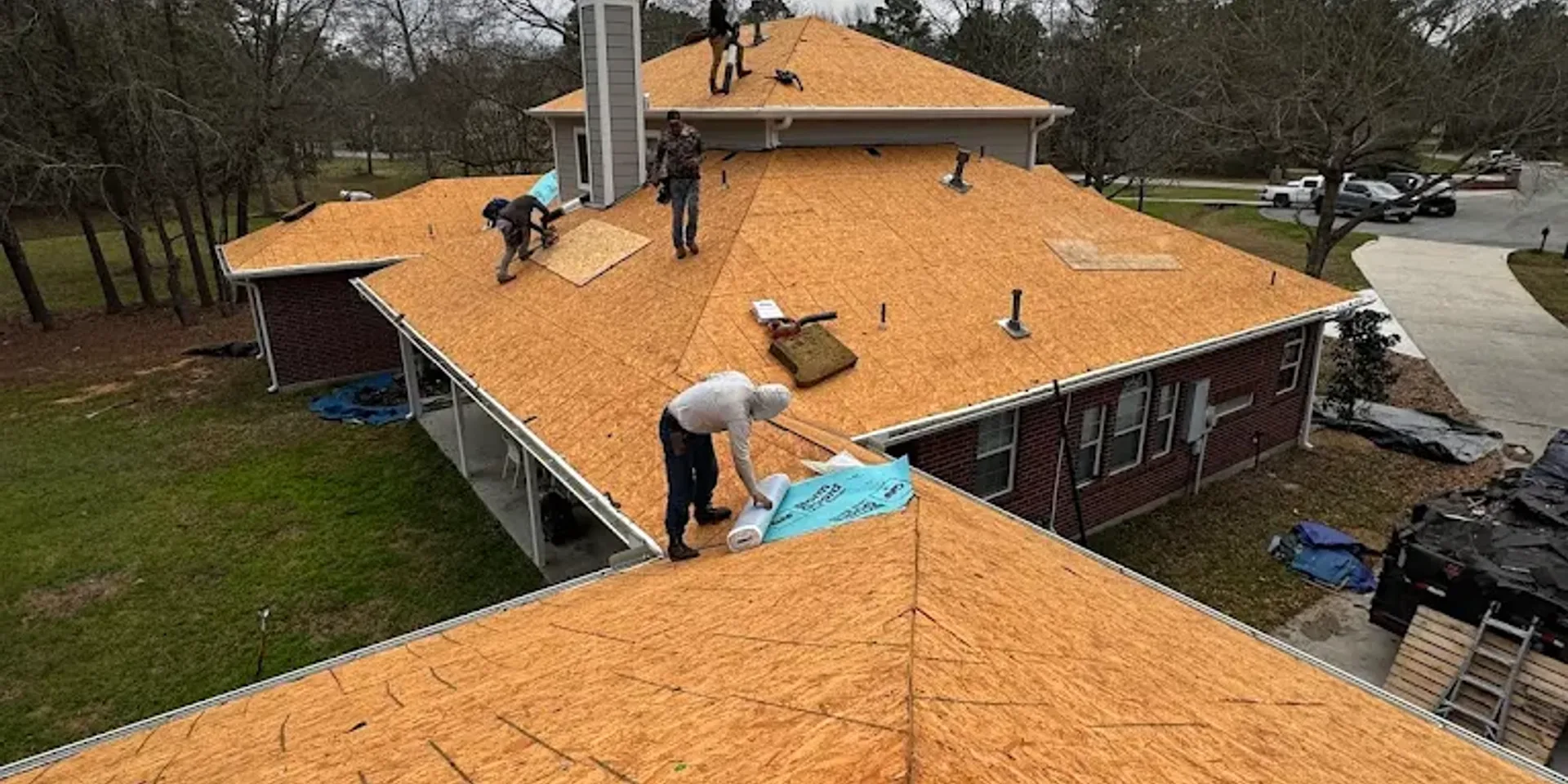
Hurricane season in Houston runs from June 1 to November 30, and for homeowners along the Texas Gulf Coast, that six-month window brings real risk. Sustained winds above 130 mph, flying debris, and torrential rain can turn a well-maintained roof into a source of catastrophic water damage in a matter of minutes. The good news is that most hurricane-related roof failures are preventable with the right preparation. Whether you are a new homeowner or have lived in Houston for decades, knowing how to prepare your roof for hurricane season in Houston is one of the most important steps you can take to protect your home and your family.
Schedule your free AI-powered roof inspection today at 281-841-2504.
This guide walks through the essential steps every Houston homeowner should take before hurricane season arrives, from professional inspections and shingle reinforcement to gutter maintenance and insurance documentation.
Houston's location just 50 miles from the Gulf of Mexico makes it a frequent target for tropical storms and hurricanes. The region has experienced 10 hurricanes or tropical storms making landfall within 75 miles of the city since 2000, according to the National Weather Service. But it is not just the storms that take a toll. Houston's subtropical climate combines intense summer heat, high humidity, and sudden severe weather, creating conditions that gradually weaken roofing materials over time.
UV exposure from the Texas sun degrades asphalt shingles, making them brittle and more susceptible to wind uplift. Repeated thermal expansion and contraction loosens sealants and flashing. When a hurricane finally arrives, these pre-existing vulnerabilities become failure points. That is why preparation matters more than urgency. The best time to address roof vulnerabilities is before the storm warnings, not after. For year-round care, see our complete roof maintenance guide.
A professional roof inspection is the single most important step in hurricane preparation. A trained inspector can identify weak spots that are invisible from the ground: loose or missing shingles, cracked flashing, deteriorated sealant around vents and chimneys, and signs of previous leak repairs that may not hold under hurricane-force winds. For a deeper look at what a professional assessment covers, read our guide on what to expect from a roof inspection report.
In Houston's competitive roofing market, the traditional inspection process has long relied on subjective opinions and guesswork. AI Roofing has changed that by combining experienced roofing professionals with AI-powered drone technology. The result is a data-driven assessment that shows exactly what is urgent, what can wait, and what is working properly. Every inspection is documented with high-resolution aerial imagery and delivered in a clear, easy-to-understand report within 48 hours.
Hurricane-force wind enters through the path of least resistance on your roof, which is usually at the edges. Once wind gets under a single shingle, it can peel back entire sections in a cascade effect known as wind uplift. Reinforcing these vulnerable areas before hurricane season can mean the difference between minor repairs and major water damage.
Focus on three critical areas:
Clogged gutters are one of the most overlooked contributors to hurricane roof damage. When gutters are blocked with leaves, debris, and granules from aging shingles, water cannot drain away from the roof. During a hurricane's torrential rainfall, this causes water to pool on the roof surface, add excessive weight to the gutter system, and back up under the shingles at the roof edge.
Clean your gutters and downspouts at least twice per year, with an additional cleaning right before hurricane season. Ensure downspouts extend at least three feet away from the foundation to direct water away from the home. Consider installing gutter guards to reduce debris buildup during the storm season months.
Tree limbs that overhang your roof are a hurricane hazard waiting to happen. In high winds, branches can snap and fall onto the roof, puncturing shingles and the underlying decking. Falling limbs also damage gutters, fascia, and soffits, creating additional pathways for water intrusion.
Trim any branches that hang within 10 feet of your roof before hurricane season begins. Also remove dead or weakened trees on your property that could fall on the house. Beyond trees, clear loose items from your yard that could become airborne projectiles: patio furniture, potted plants, grills, and yard decorations should be stored indoors or secured when a storm approaches.
Before hurricane season arrives, document your roof's condition with dated photographs. This simple step can save you weeks of headache if you need to file an insurance claim after a storm. Take clear photos of every side of your roof from ground level, plus close-ups of any existing damage, repairs, or areas of concern. Store these images in a safe location along with your inspection report and any previous repair records.
If a hurricane does cause damage, insurance adjusters will want to distinguish between storm-related damage and pre-existing wear. Having a clear, time-stamped record of your roof's pre-storm condition eliminates ambiguity and supports a smoother claims process. AI Roofing's inspection reports include detailed photo documentation that serves as excellent pre-storm evidence.
Schedule your free AI-powered roof inspection and get a complete photo-documented report of your roof's condition before the next storm arrives.
Hurricane-force winds can exploit attic ventilation openings to create internal pressure that literally lifts a roof off its walls. This phenomenon, known as internal pressurization, occurs when wind enters the attic through gable-end vents, turbine vents, or ridge vents and pressurizes the space beneath the roof deck.
Make sure gable-end vents are securely fastened and consider installing hurricane-rated vent covers. Ridge vents should be checked for secure attachment. While hurricane clips or straps (metal connectors that secure the roof structure to the wall framing) require a professional assessment, it is worth asking your roofing inspector whether your home would benefit from them, especially if you have an older home built before modern building codes.
Not every roof issue requires a full replacement, but some conditions make replacement the safer choice. Here is a practical framework for making the decision. If your roof does sustain damage during a storm, our storm roof repair guide walks through the post-damage recovery process step by step.
One factor that complicates the repair-versus-replace decision is the age of your roof's underlayment. Even if the shingles look acceptable from the ground, the waterproof underlayment beneath them may be brittle, cracked, or compromised from years of Houston heat exposure. A professional inspection evaluates both layers so you are not making a decision based on cosmetic appearance alone.
Another consideration is your insurance premium. Some Texas insurers offer discounts for roofs that meet certain wind-mitigation standards, including impact-resistant shingles and sealed roof decking. A pre-season upgrade to a code-compliant roof system can lower your annual premium while providing better storm protection. Ask your roofing inspector about wind-mitigation inspection requirements during your appointment.
If your roof is more than 15 years old, also consider the condition of the chimney flashing, skylight curbs, and plumbing vent boots. These penetration points are common leak sources during hurricanes because they experience different rates of thermal expansion than the surrounding roof deck. Re-flashing these areas proactively is relatively low-cost compared to repairing interior water damage after a storm.
Finally, for homes with flat or low-slope roof sections common on Houston additions and patios, pay special attention to the membrane or built-up roofing material. These flat areas are particularly vulnerable to ponding water during heavy rainfall and may need additional drain clearing or scupper maintenance before hurricane season.
Book your free AI-powered roof inspection to identify weak points and get a clear plan for hurricane readiness.
Repair if: Your roof has isolated damage such as a few missing shingles, a single flashing leak, or minor sealant deterioration. Your roof is less than 15 years old and has been regularly maintained. No structural issues exist in the decking or underlayment.
Consider replacement if: Your roof is approaching or past its 20-year expected lifespan. You have had multiple repairs in different areas over the past two to three years. Shingles are widespread curling, cracking, or losing granules. You can see daylight through the roof deck from the attic. Your roof has undocumented or poorly executed previous repairs. For more detail on cost factors and planning, see our roof replacement cost guide.
Every Houston roof is different, and a professional inspection provides the objective data needed to make this decision with confidence rather than guesswork.
Start your roof preparation at least four to six weeks before hurricane season begins on June 1. This gives you time to schedule a professional inspection, complete any necessary repairs, and follow up on documentation. Waiting until a storm is in the Gulf is too late.
Most standard Texas homeowner policies cover wind damage from hurricanes, but flood damage from rain intrusion is often excluded. Coverage varies significantly by policy and carrier. Contact your insurance agent to understand exactly what your policy covers and whether you need additional windstorm or flood coverage. The Texas Department of Insurance recommends reviewing your policy annually before hurricane season.
If your roof has significant vulnerabilities, replacing it before hurricane season is the safer option. A new, code-compliant roof installed with proper underlayment and hurricane-rated materials provides substantially more protection than a roof that has been patched multiple times. However, if your roof is in good condition with only minor issues, repairs are sufficient.
Schedule a professional roof inspection at least twice per year: once in the spring before hurricane season and once in the fall after storm season ends. You should also inspect after any major storm event, even if no visible damage is apparent from the ground. Hidden damage from wind uplift or hail is common.
Most residential roofs in Houston are designed to withstand sustained winds of 90 to 110 mph under standard building codes. Hurricane-force winds of 130 mph or higher can cause structural failure, especially in older homes or roofs with pre-existing vulnerabilities. This is why pre-season reinforcement is critical.
Preparing your roof for hurricane season is not a one-time task. It is an annual commitment that protects your home, your family, and your peace of mind. Start with a professional inspection, address the vulnerabilities it reveals, and build a routine that keeps your roof ready for whatever the season brings.
Get clarity on your roof's condition. Call us today at 281-841-2504 to schedule your free AI-powered roof inspection.
Roofing Resources