
Home
Home
Services
Services

Resources
Resources
Storm Restoration
Storm Restoration
Roof Systems
Roof Systems
Locations
Locations
Get a free roof inspection report template and learn how a roof condition report gives you clear, actionable insights for your home's maintenance and safety.
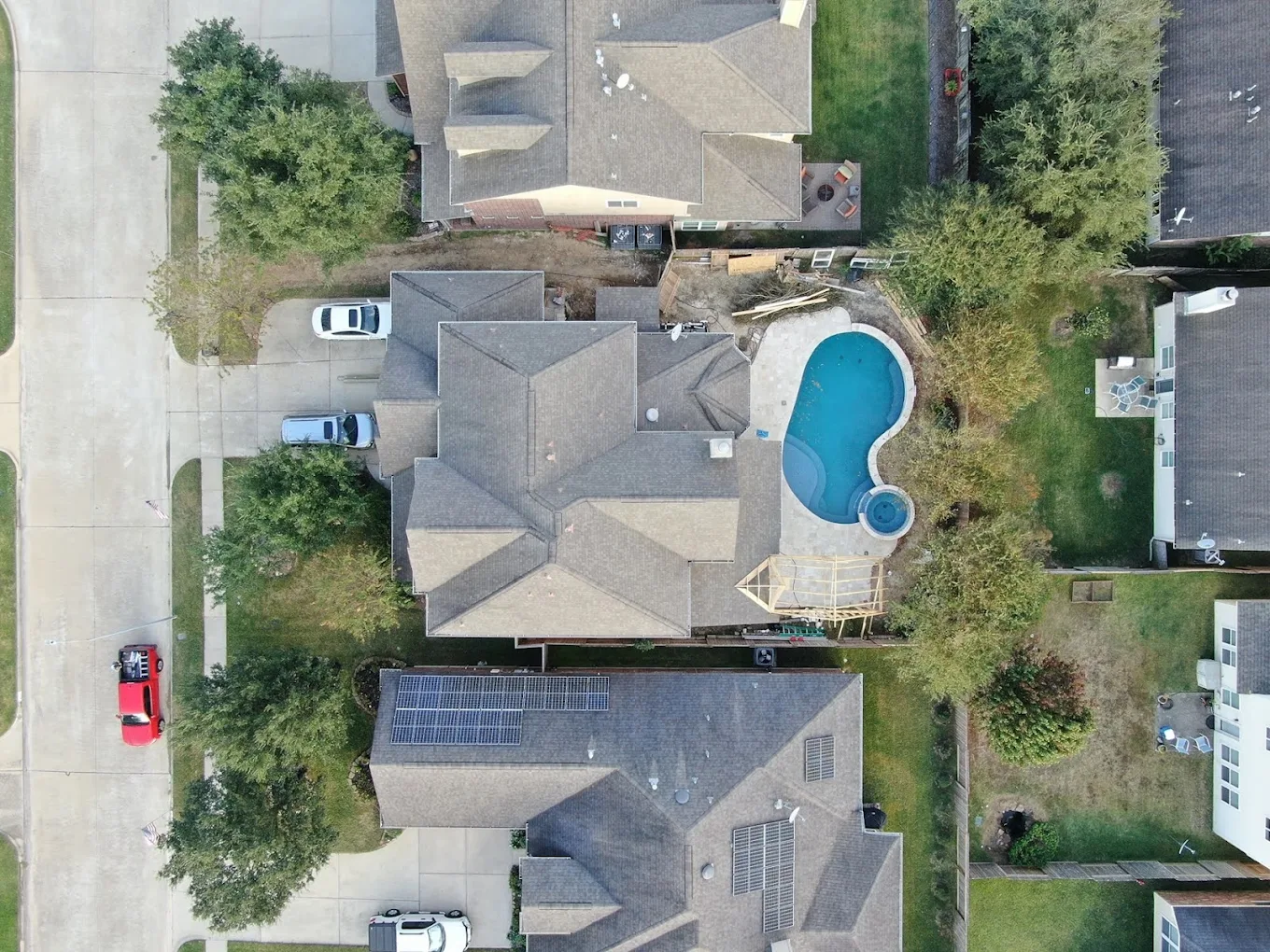
A roof inspection shouldn't be a high-stakes guessing game. Too often, a contractor delivers a confusing verbal summary and a high-pressure pitch for a full replacement, leaving you to wonder what’s truly necessary. This is where a professional roof condition report changes everything. It replaces subjective opinion with an objective, data-driven assessment. Using a clear roof inspection report template, every part of your roof is documented with descriptions and photos. This guide shows what a great residential roof inspection report looks like and how it empowers you with facts, not fear.
Think of a roof inspection report template as a structured health assessment for your roof. It’s a standardized document that organizes all the critical details from an inspection into one clear, easy-to-understand format. This includes everything from the property address and inspection date to the specific materials on your roof, like asphalt shingles or metal panels. The core of the report is a detailed evaluation of every component: the roof covering, flashing around chimneys, gutters, and even signs of trouble inside your attic, such as poor ventilation or water stains.
A template isn't just for the roofer; it's for you, the homeowner. It serves as a reliable record, giving you the facts you need to plan for maintenance, repairs, or a full replacement without feeling pressured. Instead of a confusing, jargon-filled summary, a good template ensures you get a complete picture. By standardizing the information, it guarantees that nothing gets overlooked and that every inspection is thorough and consistent. This approach removes the guesswork and replaces it with data-driven insights, which is the foundation of any confident decision.
Your roof is your home's first line of defense, but it’s easy to forget about it until a problem becomes obvious. Regular roof inspections shift your approach from reactive to proactive, turning maintenance into a strategic part of protecting your investment. Just like a routine health check-up, an inspection catches small issues before they escalate into costly, stressful emergencies. It provides a clear, documented baseline of your roof's condition, giving you the power to plan for the future with confidence. By making inspections a habit, you’re not just maintaining a roof; you’re preserving your home’s structural integrity and your own peace of mind.
For most homes in the Houston area, a good rule of thumb is to have your roof professionally inspected twice a year: once in the spring and again in the fall. A spring inspection is perfect for assessing any damage that winter storms or hail may have caused. A fall inspection is crucial for ensuring your roof is clear of debris and ready to handle whatever the coming season throws at it. This biannual schedule helps you stay ahead of the curve, identifying minor wear and tear before it can be exploited by heavy rains or high winds. According to the National Roofing Contractors Association, a proactive maintenance program is key to maximizing a roof's lifespan.
While you can certainly spot obvious issues like missing shingles or clogged gutters from the ground, a DIY inspection can’t replace a professional assessment. A trained inspector knows how to identify subtle signs of damage, like granule loss, cracked sealant, or compromised flashing, that are invisible to the untrained eye. At AI Roofing, our inspections use advanced technology to document every detail, providing you with a comprehensive report that shows you exactly what we see. This data-driven approach eliminates ambiguity and ensures recommendations are based on facts, allowing you to make decisions with complete clarity and confidence.
Investing in regular, professional roof inspections delivers tangible returns that go far beyond simply preventing leaks. It’s a foundational part of smart homeownership that protects your finances, your property’s value, and your family’s safety. When you have a clear, documented history of your roof's condition, you move from a position of uncertainty to one of control. You can budget for future work, address repairs on your own terms, and avoid the high-pressure sales tactics that often accompany emergency situations. This proactive stance is the most effective way to manage your home’s long-term health and security.
A well-maintained roof is a significant factor in your home's overall market value. Potential buyers see a healthy roof as a sign of a well-cared-for property, which can make your home more attractive and justify a higher asking price. In fact, a new roof can recover a substantial portion of its cost at resale. A documented history of professional inspections serves as proof of due diligence, giving buyers confidence and streamlining the transaction process. It’s an investment that not only protects your home now but also pays off when it’s time to sell.
Roofing work is inherently dangerous. According to the Occupational Safety and Health Administration (OSHA), falls are the leading cause of death in the construction industry. Hiring a professional with the right training and safety equipment eliminates personal risk. Furthermore, a failing roof can pose hidden dangers, from mold growth that impacts indoor air quality to the potential for a structural collapse in extreme cases. Regular inspections identify these hazards early, ensuring your home remains a safe environment for you and your family. It’s about protecting both your property and the people inside it.
A professional report does more than just point out a few loose shingles. It tells the complete story of your roof’s condition, giving you the context needed to make smart, informed decisions. It’s the difference between being told you have a problem and being shown precisely where it is, why it happened, and what it means for your home long-term. This level of detail provides accountability and creates a permanent record for your property. For homeowners, it’s proof of the roof's condition at a specific point in time, which is invaluable for insurance claims or real estate transactions. A thorough report ensures that recommendations are based on facts, not assumptions.
Trust isn’t built on a sales pitch; it’s built on transparency. Providing a detailed, easy-to-read report is one of the most effective ways a roofing contractor can demonstrate their expertise and commitment to honesty. Before you even talk about price, this documentation shows you're working with a professional who values clarity. It proves they’ve done their homework and are prepared to back up their recommendations with evidence. When a report clearly documents the roof's condition with photos and straightforward explanations, it removes uncertainty. You're no longer just taking someone's word for it. You have the facts in hand, which empowers you to choose the right solution for your home with confidence.
It’s not just homeowners who find value in a detailed roof condition report. A wide range of professionals rely on this objective documentation to make critical decisions. Real estate agents use them to provide buyers with transparent, factual information about a property’s condition, ensuring smoother transactions. Property managers depend on regular reports to find problems early and schedule proactive maintenance, preventing small issues from becoming costly disasters. Insurance companies require them as concrete proof of a roof's condition when processing claims. Even honest roofing contractors use them to build trust, demonstrating their commitment to transparency. Ultimately, anyone whose decisions depend on the true state of a roof—from buyers and sellers to insurers and managers—relies on these reports for clarity and confidence.
A professional roof inspection report is more than a simple checklist. It’s a detailed, comprehensive document that tells the story of a roof's current condition. When done right, it builds a foundation of trust with your client by providing clear, factual information they can use to make confident decisions. A great report separates you from the competition by showing your commitment to transparency and professionalism before a contract is even signed. Let’s walk through the essential components that every high-quality report should include to give your clients the clarity they deserve.
Every report should begin with the basics: the client's name, contact information, and the full address of the inspected property. This might seem obvious, but getting this right is the first step in creating a professional, organized record. It ensures all communication is clear and documented correctly from the start. A thorough report does more than just list problems; it establishes your credibility. Starting with accurate client and property details shows you are organized and detail-oriented, which helps build the client's confidence in your ability to handle their roofing project with care and precision. This simple section sets a professional tone for the entire document.
A roof doesn’t exist in a vacuum, and a thorough report should reflect that. It should note environmental factors that impact your roof’s health, like overhanging tree limbs that scrape shingles or heavy leaf debris that traps moisture in valleys. This context helps explain why certain areas might show more wear and tear. The report should also document safety conditions. This includes how the inspector accessed the roof and any precautions taken during the assessment. Mentioning the use of proper safety gear isn't just for their protection; it shows a commitment to professionalism and respect for your property. This level of detail proves the inspection was comprehensive and builds your confidence in the final recommendations.
Before you get into the findings, you need to set the stage by documenting the roof's specifications. This section should detail the roof type (like architectural shingles, standing seam metal, or tile), its approximate age, and its pitch. Note the material of the shingles, flashing, and gutters. If you can find out when the last maintenance was performed, include that too. This context is critical for an accurate assessment. For example, minor granule loss is normal for an older asphalt shingle roof but could be a red flag on a newer one. A good roofing inspection template will always have dedicated space for these key details, as they provide the baseline for all your subsequent findings and recommendations.
This is the heart of your report. Here, you’ll provide a detailed account of what you observed during the inspection. Go system by system, describing the condition of the roofing material, flashing around chimneys and vents, underlayment, decking, and drainage systems. Instead of just saying "damaged shingles," describe the type of damage: "Observed 15-20 shingles with significant granule loss and curling edges on the south-facing slope." A truly comprehensive roof inspection report tells a complete story about the roof’s health, giving the homeowner a full picture. This objective, descriptive approach helps your client understand the 'why' behind your recommendations, turning complex issues into understandable facts.
Words are important, but photos provide undeniable proof. Every finding you document should be supported by clear, high-resolution images. This is the most effective way to show a homeowner exactly what you’re seeing without them having to climb on the roof themselves. Don’t just snap a picture; make it easy for the client to understand. Use arrows, circles, or brief annotations to pinpoint specific issues like a cracked shingle, popped nail, or compromised flashing. Visual evidence builds immense trust and eliminates confusion. It transforms your report from a list of claims into a factual, transparent document that empowers the homeowner with clear insights.
A report that only lists problems leaves the client wondering, "So, what now?" The final, and arguably most important, part of your report is a section for clear recommendations. For each issue you identified, explain the best course of action. It's helpful to categorize your recommendations by urgency: for example, "Immediate Repair," "Recommended Maintenance," or "Monitor for Future Changes." This approach helps the homeowner prioritize and make decisions without feeling pressured. Your goal is to provide clear recommendations, not just a sales pitch. By outlining logical next steps, you guide your client toward the right solution for their home and their budget.
When you get a roof inspection, you’re looking for clarity, not a confusing list of problems. A professional inspection report shouldn’t feel like a sales pitch or a collection of random notes. It should be a clear, comprehensive assessment that gives you the facts you need to make a smart decision about your home. This is where a standardized template makes all the difference. By using a consistent format for every inspection, a roofing professional ensures that their evaluation is thorough, objective, and easy for you to understand.
A template turns an inspection from a subjective art into a repeatable science. It forces a methodical approach, ensuring that every component of your roof system is evaluated against the same criteria, every single time. This structured process eliminates guesswork and ensures the final report is based on data, not just an inspector's opinion on a given day. For you, the homeowner, this means you get a reliable and complete picture of your roof’s health, allowing you to plan for repairs or replacement with confidence.
Without a template, two inspectors could look at the same roof and give you two completely different reports. One might focus on the shingles while another gets sidetracked by the gutters, leaving you with an incomplete and confusing picture. A standardized template prevents this by creating a consistent workflow. It ensures that every critical area is checked during every inspection, from the condition of the flashing and underlayment to the state of the ventilation and decking. This systematic approach means you receive a report that tells a complete story about your roof’s condition, empowering you to make informed decisions instead of guessing what to do next.
A roof is a complex system with dozens of components, and it’s easy for small but important details to get missed during a manual inspection. A template acts as a detailed checklist, guiding the inspector through a methodical evaluation and minimizing the risk of human error. It ensures that nothing is overlooked, whether it’s a single cracked shingle, a small gap in the flashing, or early signs of poor attic ventilation. Using a set format for reports makes sure every inspection is thorough and professional. This gives you peace of mind, knowing that the recommendations you receive are based on a complete and accurate assessment of your entire roofing system.
A great inspection report doesn’t just list findings; it explains them in a way that makes sense. A template organizes complex information into a clear, easy-to-read format with dedicated sections for photos, descriptions of damage, and actionable recommendations. This structure helps you understand exactly what the issues are, where they are located, and why they matter. Detailed reports with photos and clear explanations are designed to build trust by showing you the evidence firsthand. Instead of feeling pressured by a sales pitch, you are presented with the facts, empowering you to confidently decide on the right next steps for your home.
A thorough roof inspection always begins safely on the ground. Before anyone climbs a ladder, a walk around the property provides a crucial overview of the roof’s general condition. From this vantage point, an inspector can spot obvious red flags like sagging rooflines, which could indicate structural issues, or visible damage to shingles from a recent storm. It’s also the perfect angle to check the condition of your gutters and downspouts, looking for blockages, detachment, or signs of water overflowing. This initial assessment helps set the stage for the more detailed evaluation to come, creating a baseline understanding of the roof's overall health before focusing on specific components.
Some of the most critical clues about your roof’s health aren’t on the roof at all—they’re inside your attic. Water can travel in unexpected ways, and a small leak on the exterior can cause significant damage to the wooden beams and decking long before a stain ever appears on your ceiling. A comprehensive inspection must include a look inside the attic, as this is where the earliest signs of failure often show up. An inspector who skips this step is only telling you half the story. By examining the underside of the roof deck, a professional can identify problems that are invisible from the outside and catch them before they become costly disasters.
When inspecting the attic, the primary goal is to hunt for any evidence of moisture intrusion. This means carefully looking for dark water stains on the wooden rafters or the underside of the roof decking. It’s also important to check the insulation for dampness, compression, or discoloration, as wet insulation loses its effectiveness and can become a breeding ground for mold. Beyond visual cues, a musty or mildewy smell is a clear indicator that moisture is present. A professional report will document these findings with clear photos, giving you undeniable proof of where and why your roof needs attention.
Your roof is more than just a layer of shingles; it’s a complete system designed to protect your home, and proper ventilation is a key part of that system. During an attic inspection, a professional will assess whether your ventilation is adequate. They’ll check to see if vents are blocked by insulation or debris, as poor airflow can trap heat and moisture. This trapped humidity can lead to mold growth, rot the wooden structure of your roof, and even reduce the lifespan of your shingles. Ensuring your attic can breathe properly is essential for maintaining a healthy, long-lasting roof.
Finally, it’s time to evaluate the exterior surface, a task that should always be left to a trained and properly equipped professional. Climbing on a roof is inherently dangerous, and it’s critical to prevent falls by using the right safety gear and techniques. Once safely on the roof, an inspector will methodically examine every component up close. This includes checking for cracked, curling, or missing shingles; inspecting the granule loss on asphalt shingles; and verifying the integrity of the flashing around chimneys, vents, and skylights. This hands-on assessment provides the final pieces of the puzzle, confirming the condition of the materials that form your home’s first line of defense against the elements.
This is the heart of the report. It’s where you move from general information to specific observations about the roof’s current state. A great findings section doesn't just list problems; it provides context and evidence, giving the homeowner a complete picture of their roof's health. Think of it as a diagnostic summary that breaks down complex information into clear, manageable categories. Each part should build on the last, creating a comprehensive story of the roof's condition and what it needs to perform its best.
Here, you'll assess the fundamental health of the roof. Start with the materials. Are the shingles, tiles, or metal panels in good shape? Note any widespread issues like granule loss on asphalt shingles, cracked tiles, or rust on metal. Then, look at the underlying structure. Document any signs of sagging, uneven roof planes, or deterioration of the decking. A thorough report tells a complete story about the roof’s condition, explaining not just what is wrong but how it impacts the overall system. This gives the homeowner a solid foundation for understanding any recommended repairs or replacements.
Not all roof damage looks the same. The type of material on your roof—whether asphalt shingles, metal panels, or clay tiles—determines what an inspector should look for. On an asphalt shingle roof, for example, a key sign of aging is granule loss, which exposes the underlying mat to UV rays. For a tile roof, the inspection focuses on finding cracked, chipped, or slipped tiles that create direct paths for water. With a metal roof, the report should document any rust, corrosion, or failing fasteners that could compromise the system. A professional report that documents these material-specific issues gives you the context needed to understand the roof's overall condition and the reasoning behind any recommendations.
A roof is more than just its surface; it's a system designed to manage water and air. This section details how well that system is working. Check all points where water could get in. This includes flashing around chimneys, vents, and skylights, along with the seals at these penetration points. Note if gutters and downspouts are clear and directing water away from the foundation. Proper attic ventilation is also critical for preventing moisture buildup and heat damage, so document the state of intake and exhaust vents.
This is where you get specific about individual problems. Document every instance of damage, from missing or broken shingles to hail impacts, algae growth, or debris accumulation. For each issue, provide a clear description and a corresponding photo. More importantly, explain the consequence of leaving it unaddressed. Instead of just listing "cracked pipe boot," explain that a cracked boot can lead to a persistent leak in the attic. The goal is to connect each finding to a clear recommendation, telling the client what needs to be done for each issue and why it matters for their home's protection.
Asphalt shingles have a finite lifespan, and one of the clearest signs they are aging is granule loss. Your report should note if you find an excessive amount of small gravel-like pieces in the gutters or on the ground around the home. These granules are essential because they shield the shingle from UV rays, and when they wear away, the shingle becomes brittle and prone to damage. Also, document any shingles that are curling at the edges, cracking, or have gone missing entirely. These are all indicators that the roofing material is losing its flexibility and weather resistance. Noting these signs of aging provides a factual basis for recommending either targeted repairs or planning for a future replacement.
Moss and algae are more than just cosmetic problems; they are active threats to your roof's health. Moss is particularly destructive because it holds water like a sponge, keeping the shingles constantly damp and accelerating their decay. Your report should document the location and extent of any growth with clear photos. Similarly, note any dark streaks caused by algae, as this can also indicate moisture issues. A thorough inspection should also look for signs of water intrusion both outside and inside the home. Document any pooling water on the roof surface, water stains on interior ceilings, or dampness in the attic, as these are critical indicators of a potential leak.
Not all roof problems are created equal. This final part of the findings section helps the homeowner prioritize by categorizing issues based on severity. Use a simple, clear system to classify your recommendations. For example, you can group them into categories like "Urgent" for active leaks or structural hazards that require immediate attention, "Recommended" for issues that could cause problems soon, and "Monitor" for minor items to keep an eye on. This approach removes the guesswork and pressure, empowering the homeowner to make confident, informed decisions based on risk and budget.
While a solid template provides the structure for a great report, the right digital tools bring it to life. Modern software transforms a static checklist into a dynamic, data-rich document that’s easier for everyone to understand. These tools help inspectors work more efficiently, capture details with greater accuracy, and deliver the professional, transparent findings you deserve. Instead of juggling a clipboard, camera, and notepad, an inspector can manage the entire process from a single device. This ensures nothing gets lost in translation from the rooftop to the final report.
This technology-driven approach is key to providing the clear, fact-based insights you need to make a confident decision about your home. It bridges the gap between a simple visual check and a true diagnostic assessment, giving you a complete picture of your roof's health without confusing jargon or sales pressure. By leveraging technology, a professional inspector can document every shingle, flashing, and vent with precision. This creates a reliable, easy-to-follow record that serves as the basis for any recommended work, empowering you with facts, not fear. It’s the difference between being told you have a problem and being shown exactly where it is and what it means for your home.
Mobile inspection apps put the power of a full office right in an inspector's hand. Using a tablet or smartphone, they can follow a standardized checklist, capture high-resolution photos, and add notes directly to the report in real-time. This eliminates the risk of forgetting a crucial detail or mismatching a photo with the wrong issue down the line. Tools like SafetyCulture's digital checklists even allow for automatic report generation, so you get a clean, organized summary almost immediately after the inspection is complete. It’s a straightforward way to ensure every inspection is just as thorough as the last, providing consistent and reliable results every time.
Cloud-based platforms take reporting a step further by creating a central hub for all inspection data. When an inspector saves a report in the field, it’s instantly accessible to the office team and, once shared, to you as the homeowner. This seamless connection ensures everyone is on the same page, reducing delays and miscommunication. Platforms like ServiceTitan are designed for service businesses and help manage everything from scheduling to final reporting. For you, this means faster delivery of your report and a clear, digital record of your roof’s condition that you can access anytime, anywhere, without sifting through emails or paper files.
For the highest level of detail and industry compliance, many professionals turn to software designed specifically for roofing. These tools go beyond generic checklists, incorporating specific standards for different materials, local building codes, and complex measurements. For example, software offered by organizations like the National Roof Certification and Inspection Association (NRCIA) is built to help inspectors meet rigorous industry benchmarks. Using dedicated software shows a commitment to expertise and ensures that the recommendations you receive are based on established best practices, not just a quick visual assessment. It’s a sign that your inspector is invested in providing an accurate, authoritative analysis of your roof.
A great template is a starting point, not a final product. The most effective reports are tailored to the specific property and situation. Customizing your template shows clients you understand their unique needs and aren't just going through the motions. It allows you to provide precise, relevant information, whether you're inspecting a family home, a commercial warehouse, or a roof involved in a real estate sale.
The story your report tells changes with your audience. For homeowners, the focus is on protecting their investment. The language should be clear and build trust. For commercial clients, the report is a tool for asset management, helping them "plan big repair jobs better… making sure roofs are fixed or replaced at the right time," as one NRCIA guide notes. Your template should adapt, with sections for long-term maintenance schedules for commercial jobs, while keeping things simple and direct for residential clients.
High-stakes situations demand an even greater level of detail. When a report is for an insurance claim, it becomes critical evidence. Every detail matters, from the date of loss to the specific type of damage. Your template should prompt you to include clear damage assessments and specific recommendations for repair, which are essential for adjusters. For real estate transactions, your report must be unbiased and crystal clear. It helps buyers understand their investment and gives sellers a credible tool for negotiations. A section summarizing urgent issues can be invaluable here.
Not all roofs are created equal, and your inspection report shouldn't treat them that way. An asphalt shingle roof has different failure points than a standing seam metal roof. Your template should include material-specific checklists. For example, you’ll want to note granule loss on shingles, check for rust on metal panels, or look for cracked tiles. Using a flexible template or specialized software ensures your inspections are both thorough and efficient. This detail demonstrates your expertise and helps your business run smoothly by standardizing quality across every job, no matter the roof type.
A roof inspection report is more than a simple list of problems; it’s a critical tool for building trust with a homeowner. They rely on this document to make significant financial decisions, so clarity and accuracy are non-negotiable. Unfortunately, many reports fall short due to common, avoidable errors. These mistakes create confusion, undermine your credibility, and can lead homeowners to make poor decisions based on incomplete or misleading information. A report filled with jargon or blurry photos feels more like a sales tactic than an honest assessment, which is exactly what today's informed consumers want to avoid.
By understanding what not to do, you can ensure your reports are professional, transparent, and genuinely helpful. This commitment to facts over pressure is what separates a trusted advisor from just another contractor. Avoiding these common pitfalls helps you deliver the kind of data-driven insights that empower homeowners, giving them the confidence to move forward. It’s about providing a clear, objective record of the roof’s condition, which serves as the foundation for any recommendations that follow. When the report is solid, the homeowner feels respected and in control, making the entire process smoother for everyone involved.
Your client is not a roofing expert, and your report shouldn't require a dictionary to understand. Overly technical terms or industry-specific acronyms only create a barrier between you and the homeowner. A great report educates the client, explaining the condition of their roof in plain, simple language. Instead of just listing a problem like "fascia deterioration," explain what it is, where it is, and why it matters for their home's protection. This approach shows respect for the homeowner and builds confidence in your findings. Clear communication proves you are a knowledgeable professional focused on helping, not just trying to sound impressive.
A professional report is a complete one. Every inspection document should include essential information, leaving no room for questions or doubt. This starts with basic details like the client’s name, property address, and the date of the inspection. It must also specify the roof’s age, materials, and overall structure. Most importantly, the findings section should be thorough, documenting both the good and the bad. Leaving out key details makes a report look unprofessional and can make a homeowner question its validity. A standardized template is the best way to ensure every critical section is filled out, every time.
Photographs are the most powerful part of your report. They provide undeniable proof of your findings and help homeowners see exactly what you’re describing. Blurry, poorly lit, or distant photos are useless. Each image should be high-resolution, clear, and properly labeled to correspond with a specific finding in the report. Don’t just take one picture of a problem area; capture it from multiple angles to provide context. Visual evidence transforms your report from a list of claims into a factual, data-driven document that empowers the homeowner to understand the true condition of their roof.
Your inspection report should be an objective statement of facts, completely separate from any sales proposal or cost estimate. Combining the two creates an immediate conflict of interest and can make homeowners feel pressured. The report’s job is to document the roof’s current condition based on a thorough inspection. An estimate, on the other hand, is a proposal for services. The National Roof Certification and Inspection Association advises keeping these documents separate to maintain integrity. Present your findings first, answer any questions, and then provide a detailed estimate as the next step in the process.
A detailed inspection is only valuable if the homeowner can understand it. The way you present your findings is just as important as the findings themselves. A great report doesn't just dump data on a client; it translates complex information into a clear, easy-to-follow guide that empowers them to make smart decisions. Your goal is to build trust by delivering facts without the pressure. By focusing on clean formatting, simple language, a quick summary, and clear next steps, you can turn a standard report into a powerful tool for your clients. This approach ensures homeowners feel confident and in control, not confused and overwhelmed.
A well-organized report guides your client through the information logically. Think of it less like a data sheet and more like a story. A thorough roof inspection report does more than just list problems; it tells a complete story about the roof’s condition, helping your client make informed decisions. Use clear headings, subheadings, and bullet points to break up long blocks of text. This makes the document scannable and helps the reader find specific information quickly. Ample white space keeps the page from looking cluttered and intimidating. Your formatting should create a clear path that walks the homeowner through their roof’s current state, from the big picture down to the smallest details.
Your report is a direct reflection of your company's professionalism, and consistent branding helps reinforce that message. This goes beyond just adding a logo. Using your company’s colors and fonts creates a polished, cohesive document that stands out. At AI Roofing, our reports are designed to communicate clarity and trust, so the branding needs to match that promise. A professionally branded report shows you are serious about your work and committed to providing a high-quality experience from start to finish. It helps differentiate your business from competitors who might rely on a simple invoice or a verbal summary, showing clients you value transparency before a contract is even signed.
Most homeowners aren’t roofing experts, so avoid technical jargon whenever possible. Your report should use simple words and clear pictures, and it should present the most important information first. If you must use an industry term, provide a brief, simple definition. Pair every finding with a high-resolution photo, using arrows or circles to pinpoint exactly what you’re describing. For example, instead of just writing “delaminated shingles,” show a picture of the shingle layers separating with an arrow pointing to the issue. This visual evidence removes ambiguity and helps the client see what you see, building a foundation of trust and understanding.
Many homeowners are busy and appreciate getting the key takeaways right at the start. Including a summary section at the beginning of your report is a great way to provide an immediate overview of the roof’s condition. This section should briefly outline the most critical findings, highlight any urgent safety concerns, and give a general assessment of the roof’s remaining lifespan. Think of it as the highlights reel. It respects your client’s time by giving them the essential information upfront, while the rest of the report provides the detailed evidence and context to back it up.
A report that only lists problems leaves the homeowner wondering, “So, what now?” Don't just identify issues; provide clear, prioritized recommendations for what to do next. Group your suggestions into categories like “Immediate Action Required,” “Recommended Repair,” or “Monitor for Future.” For each recommendation, explain what the repair entails and why it’s necessary. This transforms your report from a simple diagnostic tool into a practical roadmap for maintenance and repairs. By providing actionable guidance, you empower the homeowner to plan their next steps confidently and without pressure.
A great roof inspection report does more than just identify issues; it serves as a formal record that protects both you and your client. When your findings are clear, documented, and aligned with industry standards, you build a foundation of trust that pressure-based sales tactics can never replicate. This is especially true when dealing with real estate transactions or insurance claims, where every detail is scrutinized. A legal and compliance checklist helps ensure every report is thorough and defensible. It’s a simple step that reinforces your professionalism, reduces liability, and gives homeowners peace of mind.
Your report should always reference local building codes, especially when you identify areas that are not in compliance. These codes are legal requirements designed to ensure safety and durability, particularly in regions with specific weather challenges like Houston's windstorm regulations. A thorough report will note any deviations from these standards, such as improper nailing patterns or inadequate flashing. This level of detail provides accountability and helps your client make informed decisions. Referencing specific building codes shows you’ve done your homework and gives your recommendations undeniable authority.
The credibility of your report is directly tied to your qualifications. Homeowners want to know the person evaluating their roof is a trained professional, not just a salesperson. Including your certifications in the report adds a layer of trust and authority. Credentials from respected organizations like the National Roof Certification and Inspection Association (NRCIA) signal that you adhere to a high standard of practice. Listing your qualifications reinforces that your findings are based on expert knowledge and a systematic inspection process, giving clients the confidence to act on your recommendations.
A detailed report is one of your best tools for managing liability and helping clients with insurance. For your business, it creates a clear record of the roof's condition at a specific point in time, which is invaluable if a dispute arises. For the homeowner, your report provides the objective evidence needed to file a successful insurance claim. Clear photos, detailed descriptions of damage, and professional recommendations remove ambiguity and help the claims process move forward smoothly. This transparency protects you and solidifies your role as a trusted advisor.
When your roof is damaged by a storm, the last thing you want is a drawn-out battle with your insurance company. A detailed inspection report is your best ally here. It’s not just a list of problems; it’s a formal record that provides the objective evidence needed to file a successful claim. Instead of relying on a contractor's verbal opinion, you can hand your adjuster a clear, data-driven document showing exactly what damage occurred and where. With high-resolution photos and precise descriptions of hail impacts or wind damage, the report removes ambiguity and helps streamline the approval process, giving you the facts you need to get your home properly restored.
Let’s be honest: roofing has a reputation for high-pressure sales and questionable advice, and homeowners are right to be cautious. When you're making a major decision about your home, trust isn’t built on a sales pitch; it’s built on transparency. A professional report is the ultimate proof of a contractor's commitment to honesty. It shows they are willing to put their findings in writing, backed by evidence, before asking for a sale. When a contractor provides a report that tells the complete story of your roof’s condition, they are demonstrating that their recommendations are based on facts, not assumptions. This simple act of clear documentation separates a true professional from a salesperson and gives you the confidence that you’re working with a partner who values your trust.
Creating a solid template is the first step, but its real power is unlocked when your whole team uses it effectively. A great report is a promise of consistency and clarity to your clients. Implementing it correctly ensures every homeowner receives the same high standard of information, no matter who performs the inspection. This process isn't about rigid rules; it's about creating a shared system that makes your team more efficient and your clients more confident. By focusing on training, regular reviews, and feedback, you can turn your new template from a simple document into a cornerstone of your business operations and customer trust. It’s how you ensure your reports deliver the facts, not just findings, every single time.
A template is only as good as the team using it. To ensure every report is clear and comprehensive, everyone needs to be on the same page. A thorough roof inspection report does more than just list problems; it tells a complete story about the roof’s condition, helping your client make informed decisions. Start by holding a dedicated training session to walk through each section of the new template. Explain the purpose behind each field, clarifying what information to include and how to phrase it for homeowner understanding. Provide a reference guide and run through a few mock inspections together. This ensures that whether it's you or another inspector on-site, the client receives a consistently professional and easy-to-understand document that reflects your company's commitment to quality.
Your roof inspection template shouldn't be a static document. The roofing industry evolves, new materials emerge, and your own experience will reveal better ways to document findings. Using a set template or special software for your reports saves time and makes sure every inspection is thorough and professional, but only if it stays current. Schedule time every six months or so to review the template with your team. Ask critical questions: Is any section causing confusion? Are we repeatedly adding notes for something that should be its own field? Could the layout be clearer? Updating your template based on these conversations keeps it relevant, accurate, and as efficient as possible, helping your business run smoothly.
Your report is one of the most important tools you have for building a relationship with a homeowner. A good report does more than just list problems; it builds trust and shows clients you're the right choice, even before you give them a price. The best way to know if your report is hitting the mark is to ask. After sending a report, follow up with your clients and ask for their thoughts. Was it easy to understand? Did it answer all their questions? Also, listen to your team. They’re the ones in the field answering homeowner questions and know firsthand where the report could be clearer. Use this valuable feedback to continuously refine your template, ensuring it always serves its primary purpose: empowering homeowners with clear, actionable information.
What's the difference between a roof inspection report and an estimate? Think of the inspection report as a factual diagnosis of your roof's current health. Its only job is to present a clear, objective assessment of the roof's condition based on evidence. An estimate, on the other hand, is a separate proposal that outlines the cost of services to address the issues found in the report. Keeping these two documents separate is a sign of a trustworthy professional, as it ensures the findings are not influenced by a sales pitch.
Why is a detailed written report so important? Can't the inspector just tell me what's wrong? A verbal summary is easy to forget or misinterpret, leaving you with an incomplete picture. A written report provides a permanent, detailed record of your roof's condition at a specific point in time. This documentation is invaluable for tracking your roof's health, supporting insurance claims, or providing to potential buyers if you sell your home. It creates accountability and ensures the recommendations you receive are based on documented facts.
How can I tell if the report I received is truly professional? A professional report is organized, easy to read, and comprehensive. It should include your property details, the roof's specifications (like age and material), and detailed findings supported by clear, annotated photos. Most importantly, it should be written in plain language that you can understand. If a report feels more like a confusing list of problems than a clear explanation, it may not meet a professional standard.
My report lists several issues. Does this mean I have to fix everything immediately? Not at all. A quality report should help you prioritize by categorizing recommendations based on urgency. You'll often see issues grouped into levels like "Urgent," "Recommended," or "Monitor." This approach allows you to address critical problems first, like active leaks, while planning for less severe issues down the road. It puts you in control of the decisions and your budget.
What should I do if the report uses technical terms I don't understand? You should never hesitate to ask for clarification. A contractor who is committed to transparency wants you to feel confident and informed. If you encounter terms or descriptions that are unclear, ask your inspector to explain them in simpler language. A true professional will gladly walk you through the report, explain the photos, and ensure you have a complete understanding before you make any decisions.
Roofing Resources


