Home
Home
Services
Services

Resources
Resources
Storm Restoration
Storm Restoration
Roof Systems
Roof Systems
Locations
Locations
Schedule a free roof inspection to learn if a roof tune-up protects your Houston home. Compare costs, spot damage early, and extend your roof's life with...
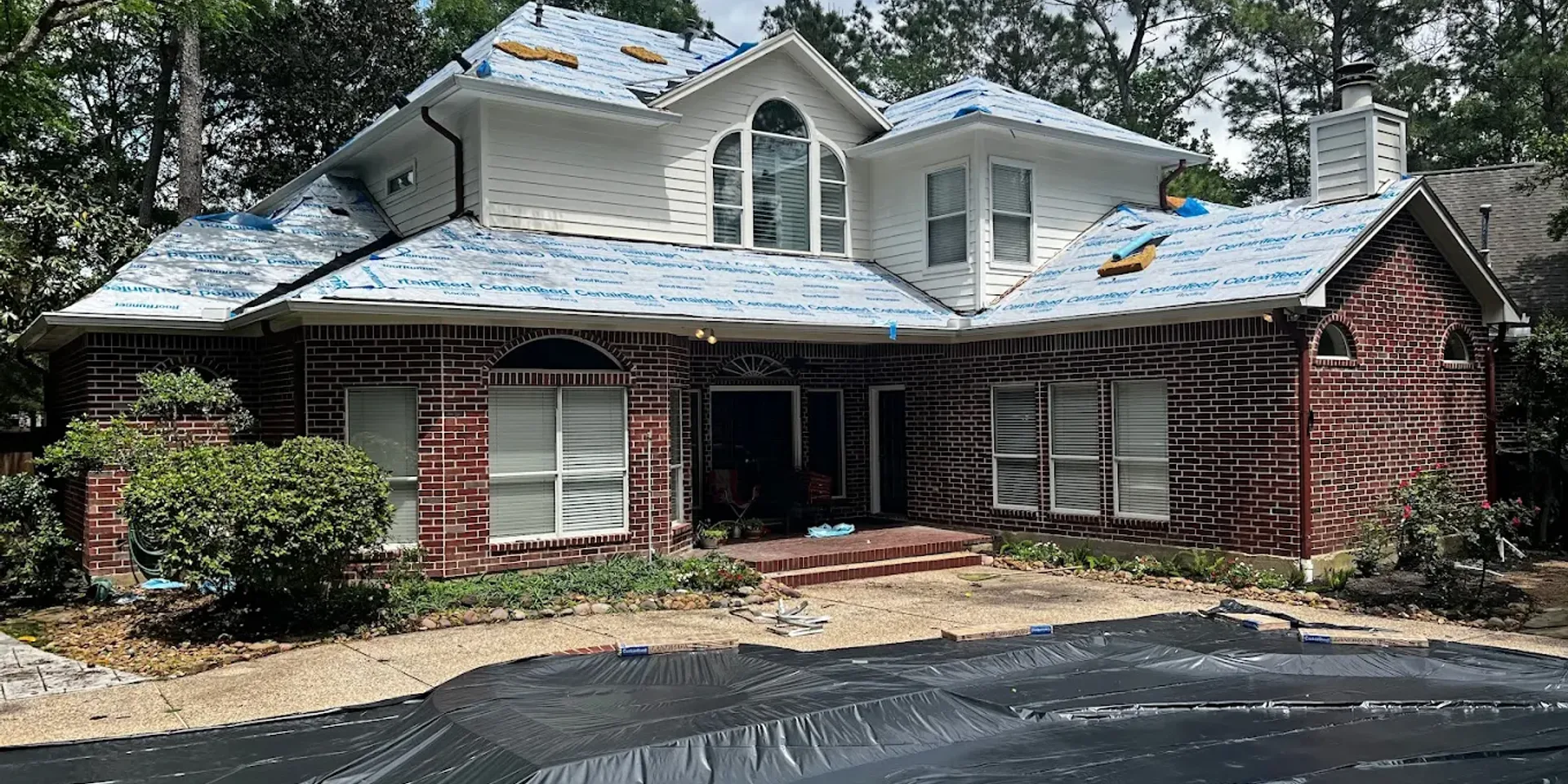
A leaking roof can damage your home and drain your bank account without warning. A preventative roof tune-up is a cost-effective way to find and fix small issues before they become expensive disasters.
A professional roof tune-up is a proactive maintenance service designed to inspect, clean, and repair minor roofing issues to prevent major water damage and prolong the lifespan of your roof. According to researchers at the Massachusetts Institute of Technology, proactive roof maintenance and periodic inspections are necessary to identify damage early, preventing extensive and costly repairs to the building structure. A professional tune-up proactively addresses common wear items such as cracked pipe boot seals, loose flashing, compromised vents, and minor shingle damage. This preventative care keeps your roofing system watertight and extends its overall functional lifespan, which is especially critical in extreme weather environments.
Homeowners often wonder what tasks a technician actually performs during a maintenance visit. Understanding the exact steps involved can help you evaluate the return on your investment.
Schedule your free AI-powered roof inspection today at 281-841-2504.
Let us look closely at what a roof tune-up includes and how these checks protect your home.
A professional roof tune-up is a proactive service designed to find and fix minor roof issues before they turn into major water leaks. Regular upkeep is highly cost-effective and helps extend the lifespan of your roof, even when manufacturer warranties are still in place. By focusing on the most vulnerable areas of your roof, a standard professional roof tune-up service ensures your home stays dry and secure. Here are the specific steps a technician typically performs:
Each step addresses a specific vulnerability that Houston weather exploits over time. By tackling all four areas in a single visit, a tune-up provides comprehensive protection that a basic visual inspection alone cannot match.
Every quality tune-up begins with a thorough check of the entire roofing system. An expert will look closely at your shingles, flashings, attic ventilation systems, and chimney seals. This initial assessment provides objective data. It helps you see the difference between minor wear, issues that need repair, and signs that your roof is nearing the end of its useful life. Finding damage early is critical because delaying repairs often leads to secondary issues like attic water leaks, wet insulation, and mold growth. This check is backed by academic research showing that regular maintenance programs extend roof life and save money over time, as published in the ERIC educational database.
Once the inspection is complete, the physical tune-up work begins with shingle care. Technicians check for loose, damaged, or missing shingles and secure or replace them to maintain a watertight seal. They also look for nail pops, which occur when roof nails back out of the wood decking. Addressing these nail pops promptly is essential because they create small holes in the shingles where rainwater can easily enter. Securing these spots helps preserve the waterproofing integrity of the roof surface.
The majority of roof leaks occur due to the failure of seals and flashings rather than the main roof shingles. A study from the Massachusetts Institute of Technology found that seals and flashing cover a very small fraction of the roof area. However, the majority of roof leaks occur when they fail. For example, pipe boot flashings often crack or deteriorate from constant sun exposure. Chimney and wall transitions are also prone to failure as a house settles. During a tune-up, technicians inspect all roof penetrations including exhaust pipes, HVAC stacks, and skylights. They apply high-grade sealant to these areas and repair any loose flashings to prevent water entry.
Debris like leaves, branches, and pine needles can trap moisture against the roof surface, which accelerates shingle decay. It also blocks proper water drainage and clogs your gutters. A tune-up includes clearing this debris and assessing gutter integrity to ensure water flows freely away from your roof and foundation. Proper attic ventilation is also checked to prevent heat and moisture from damaging your shingles from the underside, which can shorten their lifespan.
For many Houston homeowners, keeping a roof safe can feel like a guessing game. You might wonder if you should wait for a leak to show up before you spend money on your home. Waiting for a leak is a reactive choice that often leads to major repair bills. A proactive roof tune-up is a smart, low-cost way to find small problems before they turn into major water damage. By spending a small amount on maintenance now, you can avoid paying thousands of dollars for emergency repairs later.
When you wait to fix your roof, small issues quickly grow. A single loose shingle or a cracked seal around a pipe boot can let rain slip into your attic. Often, it is not until a water leak occurs that the need for repair is recognized. By that time, water may have already caused extensive damage to the roof and to the building below it.
This secondary damage can ruin your insulation, rot wood framing, and cause mold growth. What started as a simple repair can quickly escalate into a major home headache. Consistent roof maintenance helps homeowners avoid costly emergency repairs by catching small issues before they escalate into structural damage.
To help you see the value of preventative care, here is how specific service types compare by cost and scope:
Early identification of loose or missing shingles allows for simple, cost-effective repairs that maintain the roof's waterproofing integrity. If you ignore your roof, you may face emergency repair bills that run from $1,000 to over $3,000. A full roof replacement can cost $10,000 or more depending on your home's size and materials. Choosing cost-effective preventative care keeps your money in your bank account and protects your home.
| Service Type | Typical Cost | What Is Included |
|---|---|---|
| Roof Tune-Up | Low-cost maintenance | Full inspection, sealing, minor shingle fixes, clearing debris |
| Minor Roof Repair | Moderate repair cost | Fixing a small leak, replacing a few shingles, or patching seals |
| Emergency Major Repair | High reactive cost | Fixing structural water damage, major leaks, or storm damage |
| Full Roof Replacement | Major replacement investment | Tearing off old materials and putting on a brand-new roof |
AI Roofing is dedicated to giving you clear choices. We do not use pushy sales pitches or scare tactics. We offer fair-market pricing and transparent estimates so you always know what to expect. Book a free inspection today to get an honest look at your roof's health.
Houston weather puts extreme strain on your roof. Intense heat, high humidity, heavy rain, and seasonal storms work together to degrade roof materials faster than in other regions. Homeowners often do not notice roof damage until water leaks into the living space, but significant structural harm can happen long before a leak appears inside your home. Investing in a regular roof tune-up is a practical way to find hidden issues early and extend the lifespan of your roof.
Yes, preventative roof maintenance is well worth it in Houston. The city's intense heat, high humidity, and storm events accelerate shingle wear. Making regular preventative roof maintenance and a professional roof tune-up essential to avoid expensive secondary water damage and maximize your roof's functional lifespan.
Extreme local weather patterns directly impact roof longevity. The Texas sun delivers intense ultraviolet rays that dry out shingles, causing them to crack, curl, and lose their protective granules. This sun damage weakens the primary barrier of your home, leaving it vulnerable to the next heavy storm. In addition to solar heat, high humidity levels create a breeding ground for biological growth. Algae and moss thrive in warm, damp climates, trapping moisture against the shingle surfaces. Over time, this trapped water accelerates shingle decay and shortens the overall lifespan of your roofing materials. Proper attic ventilation is also crucial in humid climates to prevent heat and moisture from damaging your shingles from the underside.
Most roof leaks do not start with a broken shingle. Instead, they begin when seals and flashings fail around penetrations like vents, chimneys, and valleys. Scientific studies from the Massachusetts Institute of Technology show that the majority of roof leaks occur due to the failure of seals and flashings rather than the main roof membrane. When these seals crack under the hot Houston sun, water enters your attic during our frequent heavy downpours.
A proactive approach helps you find these weak spots before they fail. If you delay minor roof repairs, you risk secondary damage such as water intrusion in your attic, soaked insulation, and toxic mold growth. Regular maintenance allows you to address minor wear and tear, which significantly extends the functional lifespan of your roof compared to reactive repair strategies.
Traditional manual inspections can miss small signs of wear that eventually lead to major leaks. Standard physical walks across a roof might overlook hairline cracks in pipe boots, tiny nail pops, or slight shingle uplift from high winds. Professional inspections should be conducted at least annually, and definitely after major storms, to assess the roof's condition and identify necessary repairs.
Using advanced technology ensures no issue goes unnoticed. Inspections performed with drone technology and AI analysis can identify micro-damage or early signs of wear that are often missed by conventional manual inspections. This modern approach gives you an objective, clear picture of your roof's health. Combining regular maintenance with smart diagnostics keeps your home safe, protects your manufacturer warranty, and ensures your roof is fully prepared for hurricane season.
Most roofing companies use high-pressure sales pitches to win jobs. They inspect a roof and try to scare homeowners into buying a brand-new roof right away. AI Roofing does not work this way. We use a clear, professional, education-first approach. We believe in facts and objective data. Our goal is to give you the honest facts about your roof without any pressure. We help you understand exactly what your home needs so you can make a smart choice.
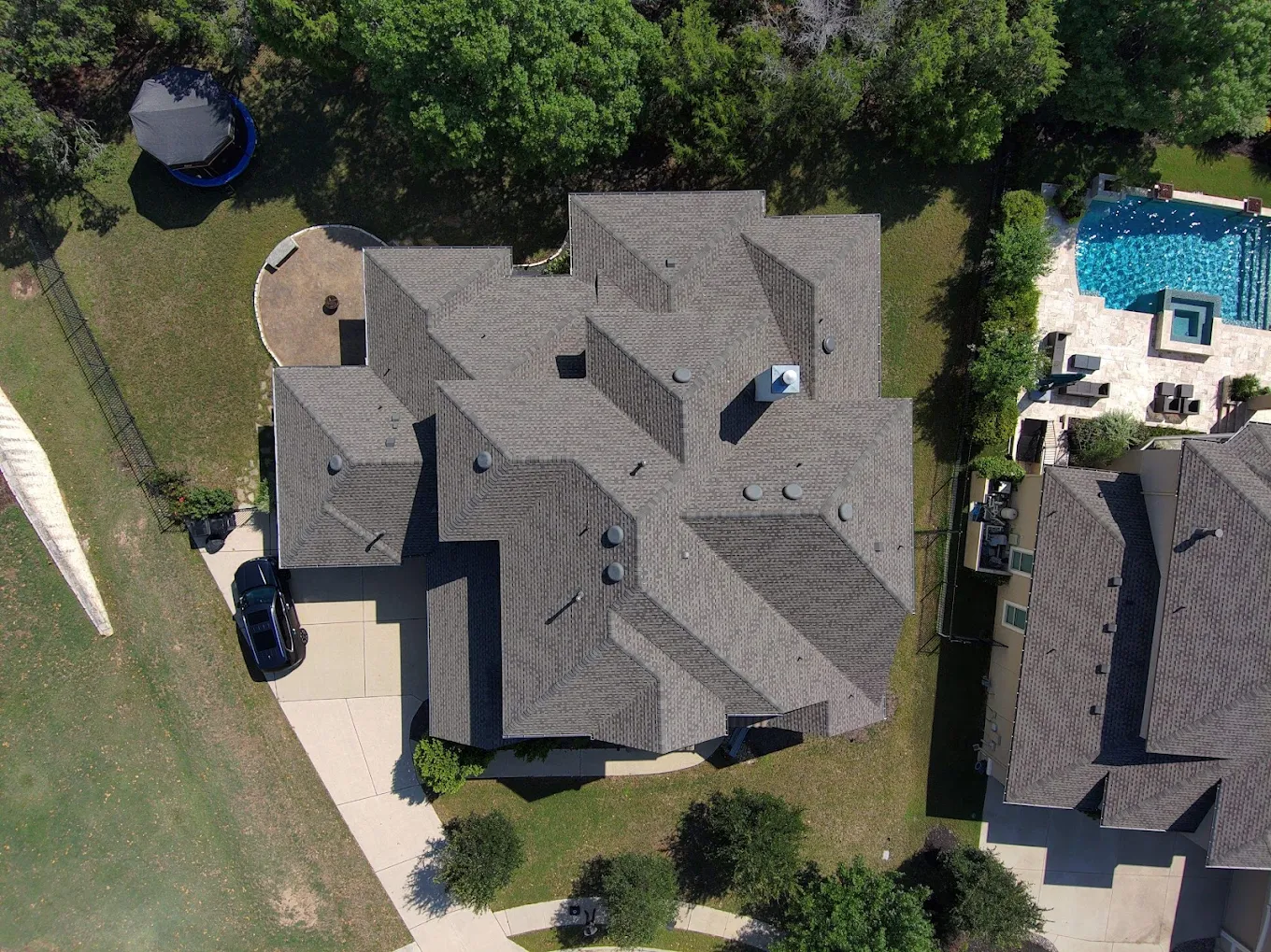
Traditional roofers walk your shingles and look for damage by hand. This manual process can easily miss small, early signs of wear. Our team uses AI-powered drone roof inspections to scan every inch of your roof. This system captures high-resolution photos from angles a human inspector cannot easily reach. The drone and AI analysis can identify early wear patterns that manual inspections often miss. Finding these tiny spots of wear early allows us to fix them before they turn into major water leaks.
Our drone scans generate a clear, detailed report for you in just 48 hours. This report is built on objective diagnostics and photo proof. It tells you exactly what condition your shingles are in. This data-driven approach helps you find out if your roof simply needs a minor roof tune-up or if a larger repair is required. This process takes the guesswork out of roof care. You see the photos of your roof yourself, so you do not have to rely on a salesperson's word. It is a completely transparent way to care for your home.
When you book a tune-up with us, we look at the entire roof assembly. We do not just look at shingles. We examine all your roof flashings and penetrations to ensure watertight seals. This includes checking pipe boots, chimney flashings, and vents. We also check the gutters as part of our tune-up, which ensures that water flows away from your roof and foundation correctly. Regular roof maintenance programs are highly cost-effective, even when active warranties are in place, according to research published in the Education Resources Information Center.
Proactive care does more than protect your house from rain. It also helps your wallet. Keeping a clear history of your roof tune-up visits and repairs is a great way to show future buyers that you took excellent care of the property. This documented history can increase the resale value of your home by proving the roof has been professionally maintained. Our team brings 20 years of combined experience to every home we inspect, so you can trust that our reports are both thorough and accurate. We make booking easy with 24-hour scheduling and deliver your final digital report in 48 hours.
To protect your home, you should schedule a professional roof tune-up at least once a year, and also immediately after any major storm event. Getting a regular check ensures your roof stays waterproof and strong against heavy weather, helping you catch tiny problems before they turn into costly leaks.
Most experts suggest getting a roof tune-up once every year. This consistent care helps you find small issues early, which maintains the waterproofing of your roof. It is a low-cost step that keeps your home dry and safe. An annual check also helps you build a solid history file for your roof. This record is highly useful for insurance claims or if you decide to sell your home later. Research hosted by the Education Resources Information Center highlights how regular maintenance programs extend the lifespan of a roof and save money over time.
Houston weather can be very harsh on roofing. High winds, heavy hail, and tropical storms put intense stress on your shingles. You should book an inspection right after any severe storm hits your area. When we check your roof after high winds or hail, we look for key signs of storm wear:
If you do not check your roof after a storm, small roof leaks can cause extensive damage before you even notice them. Finding water stains inside your house often means the structure has already suffered deep wood rot.
The ideal times to schedule maintenance are during the spring and fall. A spring check gets your roof ready for the hot summer months and the heavy rain of the hurricane season. A fall check makes sure your home is prepared for winter weather. Regular preventive care also has a major financial benefit. Consistent maintenance helps ensure your roof warranties remain valid. Many manufacturers require proof of professional upkeep to keep their product coverage active. Research from MIT shows that proactive roof maintenance and periodic checks are necessary to stop small issues from escalating into major structural damage.
A professional service includes a full inspection of shingles, seals, and vents to find weak spots. The team clears debris from the roof and checks gutter drainage. They also fix minor issues like loose shingles, backed-out nails, and cracked pipe boot seals. This proactive work ensures proper water flow and keeps your home dry.
Yes, regular roof maintenance is highly cost-effective. Small fixes prevent minor leaks from turning into massive water damage inside your attic and walls. Research published by the ERIC Clearinghouse shows that routine upkeep programs are proven ways to extend the total life of a roof. Taking care of your roof now saves you from paying for costly emergency repairs later.
You should schedule a professional tune-up once a year to keep your roof in top shape. It is also wise to check your roof after severe wind or hail storms. Routine yearly visits are especially critical in places with high heat and strong storms. Upkeep documentation can also help you keep your manufacturer roof warranty valid if you ever need to file a claim.
A tune-up is a preventative service meant to stop leaks before they start. It can easily fix small issues like loose flashings or minor shingle damage. However, if water is already pouring into your home, you need targeted repair work rather than a standard tune-up. A proper inspection can find the exact source of the leak and show you the best way to fix it.
Ignoring minor wear on your roof is a costly gamble. Small issues like broken seals or cracked shingles can quickly turn into major leaks during Houston's sudden storms. Taking action today protects your home and prevents expensive emergency repairs down the road.
Ready to schedule a free AI-powered roof inspection? Call 281-841-2504 to book your professional evaluation today.
Roofing Resources