Home
Home
Services
Services

Resources
Resources
Storm Restoration
Storm Restoration
Roof Systems
Roof Systems
Locations
Locations
Stop water damage fast with a temporary roof leak fix from inside. Learn safe, effective steps to protect your home until a professional repair is scheduled.
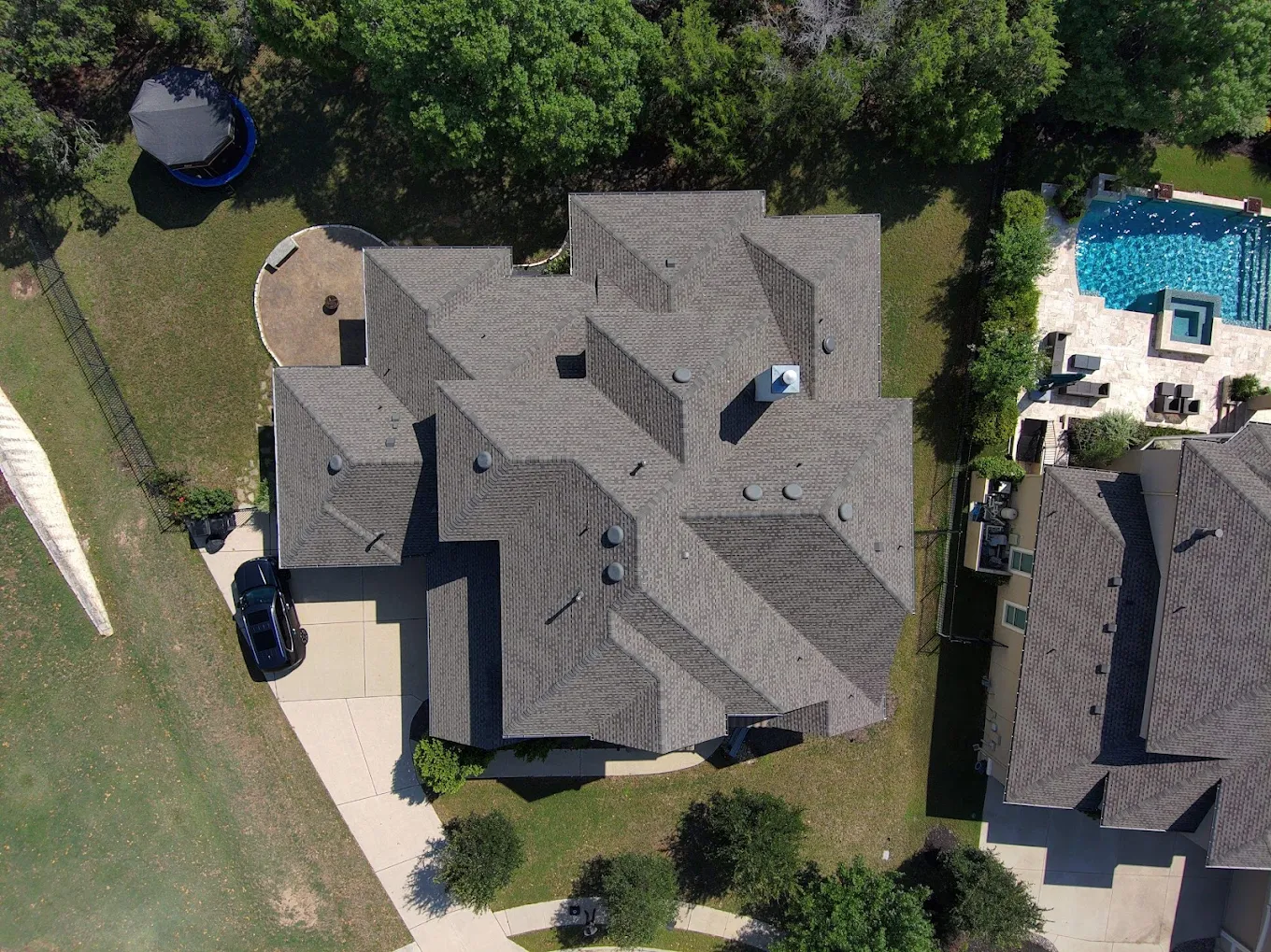
Finding the source of a roof leak is like detective work—that drip on your ceiling is just the final clue. Water can travel along beams and insulation before it appears, meaning the real problem is often somewhere else entirely. Applying a temporary roof leak fix from inside is your best first move to prevent further damage. This simple temporary roof repair protects your home’s structure and buys you valuable time. We’ll walk you through tracing the leak to its origin and using the right materials for a temporary fix that holds until a pro can take over.
Discovering a roof leak is stressful, but a clear head and quick action can prevent a small problem from becoming a catastrophe. Before you even think about a temporary fix, your first priority is to manage the immediate situation inside your home. Follow these four steps to control the damage and ensure your family’s safety.
First, get your belongings out of harm's way. Quickly move any furniture, electronics, rugs, and other valuables away from the dripping water. Focus on items that are expensive, difficult to replace, or have sentimental value. If you have large pieces of furniture that are too heavy to move, cover them completely with thick plastic sheeting or tarps. Water can stain wood, ruin upholstery, and destroy electronics in an instant, so acting fast is key to minimizing your losses. Don't forget to check closets or adjacent rooms, as water can travel sideways along ceiling joists.
Once your valuables are safe, focus on containing the water. Place a bucket, trash can, or any large waterproof container directly underneath the drip. To prevent noisy splashing that can send water everywhere, put an old towel or a small board at the bottom of the bucket. If you see the ceiling starting to bulge or sag, this is a sign that water is pooling and putting immense pressure on the drywall. Carefully puncture the center of the bulge with a screwdriver to release the water in a controlled stream. This simple action can prevent a much larger section of your ceiling from collapsing.
Water and electricity are a dangerous combination, so your next step is a critical safety measure. Go to your home’s breaker box and shut off the power to all affected rooms. If water is dripping near light fixtures, outlets, or any electrical devices, this is not optional. If you are not sure which breakers control which areas, it is safest to turn off the main breaker that cuts power to the entire house. For more guidance, you can review a basic guide on how to safely use your circuit breaker. Never touch electrical switches or appliances if you are standing in water.
Before you clean up too much, document everything for your insurance claim. Use your phone to take clear photos and videos of the damage from multiple angles. Capture the source of the leak in the attic if you can see it, the dripping water, any sagging or stained ceiling areas, and wet floors or walls. Be sure to also photograph any damaged furniture or personal belongings. Make a note of the date and time you first noticed the leak. This detailed evidence is essential when you file a homeowner’s insurance claim and will help ensure your claim is processed smoothly and fairly.
Once you’ve managed the immediate water damage and documented the scene, your next call should be to your insurance provider. Most homeowner's insurance policies cover damage from sudden events like a storm-related roof leak, but it’s important to act quickly. Contact them as soon as you can, ideally within 24 to 48 hours of discovering the problem. This prompt communication starts the claims process on the right foot and shows you're taking the situation seriously. When you call, have your policy number handy and be prepared to give a clear, factual account of what happened and the steps you’ve already taken to control the damage.
Your insurance agent will need the evidence you gathered earlier, so don't put your phone away just yet. The photos and videos of the leak, damaged ceiling, and affected belongings are not just for your records; they are essential proof for your claim. Be prepared to share when you first noticed the leak and provide a detailed inventory of any damaged items. Remember to keep all receipts for materials you purchased for temporary fixes, like tarps or buckets, as these costs are often reimbursable. Having this information organized will help your insurance adjuster understand the scope of the damage and process your claim more efficiently.
While your insurance company will send their own adjuster, getting an independent assessment from a trusted roofing professional can give you peace of mind. An expert can provide a detailed report on the extent of the damage—both visible and hidden—and a precise estimate for the necessary repairs. At AI Roofing, we use data-driven inspections to create a clear, factual record of your roof's condition. This type of unbiased report is invaluable during the claims process, ensuring that the proposed settlement covers all the work required to restore your roof properly, without guesswork or pressure.
A surprise roof leak often comes with an equally surprising price tag, and figuring out how to pay for it can be just as stressful as the leak itself. The good news is you have options. If the damage was caused by a storm or another sudden event, your first step should be to review your homeowner's policy and contact your insurance agent. Most policies provide coverage for sudden damage, but it's critical to file a claim quickly and support it with the clear documentation you’ve already gathered. For costs that aren't covered, many professional roofing companies offer financing plans to help you manage the expense without draining your savings. Remember, the temporary patch you applied is also a financial tool—it buys you valuable time to get a proper diagnosis, review your options, and make a confident decision without feeling rushed into a costly repair.
When you discover a leak, the last thing you want to do is scramble for supplies. Having a small emergency kit ready can help you act quickly to minimize damage while you wait for professional help. Most of these items are common household tools or can be found at any local hardware store. Gathering them ahead of time gives you a clear, actionable plan for when a storm hits, turning a moment of panic into a manageable task. Here’s a straightforward list of what you’ll need to contain the water and apply a temporary patch from inside your home.
Your goal is to work safely and efficiently, and the right tools make all the difference. Before you head into the attic, make sure you have these items ready:
These materials are for two main jobs: catching the water and creating a temporary seal to stop it from spreading.
When you see water dripping from your ceiling, your first instinct is to do something, anything, to make it stop. While that proactive mindset is great, it’s important to distinguish between immediate damage control and an actual repair. An inside fix is never a permanent solution. At best, it’s a temporary patch that buys you time to call a professional without suffering more interior damage. At worst, an improper fix can trap moisture, accelerate rot, and make the underlying problem much more difficult and expensive to solve.
The goal of any action you take from inside your home is to contain the water and prevent further harm to your ceilings, walls, and belongings. Think of it as first aid for your house. You’re stopping the bleeding, but you still need a qualified roofer to diagnose and treat the actual injury. Before you head into the attic, it’s critical to know which situations you can safely manage and which are clear signals to stop and call for an expert inspection.
If the leak is a slow, manageable drip, you can take a few immediate steps. First, place buckets under the drip to catch the water and use towels to absorb any splashing. If your ceiling is bulging, the water is pooling. You can carefully puncture the lowest point of the bulge with a screwdriver to release the pressure and drain the water into a bucket. This simple action can prevent a much larger ceiling collapse. If you can safely access your attic, use a flashlight to trace the water stains back to their origin on the underside of the roof deck. For a very small, visible hole, you can apply roofing cement and a piece of plywood as a temporary patch to stop the drip until help arrives.
Your safety and your home’s structural integrity are the top priorities. Stop immediately if you see a sagging ceiling, as this indicates a significant amount of trapped water and potential structural failure. Do not attempt any work if the leak is near electrical fixtures or if you cannot safely get into your attic. Applying sealant from the inside is also a mistake, as it can trap moisture against the roof deck, accelerating wood rot and creating serious health risks from mold. A temporary fix is just that: temporary. The only way to solve the problem for good is to have a professional find and repair the leak from the outside.
Finding the source of a roof leak from inside your home is a bit like being a detective. The drip you see on your ceiling is just the final clue, not the origin of the problem. Water is sneaky and can travel a long way from where it first enters before it makes itself known. To find the real entry point, you’ll need to head to your attic and trace the evidence back to its source. This process requires a careful eye, but it’s the first step toward understanding the scope of the issue before making any repairs.
Once you're safely in the attic, use a powerful flashlight to scan the underside of the roof deck. Look for dark water stains, damp wood, or discolored insulation. Water follows gravity, so it will run down the length of rafters and beams. The actual leak is almost always located higher up the roof slope than where you see the drip in your living space. Follow any water trails you find upward. Pay close attention to the path the water takes, as this will lead you directly to the point where it’s getting through your roof’s primary defenses.
Most roof leaks don’t happen in the middle of an open field of shingles. They occur where something interrupts the roofline. Carefully inspect the areas around anything that penetrates your roof: chimneys, plumbing vents, exhaust fans, and skylights. These spots are sealed with metal strips called roof flashing, which is designed to direct water away from the opening. Over time, this flashing can corrode, loosen, or be installed incorrectly, creating a perfect entry point for rain. A leak originating from one of these areas is extremely common and often the first place a professional will look during an inspection.
While you can trace water trails from the attic, a complete diagnosis often requires an exterior check—a job best left to a professional. When a roofer walks your roof, they aren't just looking for a hole; they are feeling for soft, spongy spots underfoot. These areas are a major red flag, indicating the wooden sheathing beneath your shingles is likely wet and rotting. A patch won't fix this; it's a structural problem that requires replacing the compromised wood. Additionally, a professional will look for piles of leaves, moss, or other debris, especially in valleys or around chimneys. This buildup acts like a sponge, trapping moisture against the roof and causing materials to break down, which can accelerate wood rot and create new leaks.
It’s a common mistake to think the wet spot on your ceiling is directly below the leak, but that’s rarely the case. Think of water traveling through your attic like a stream finding its way down a hill; it follows the path of least resistance. Water that enters through a tiny hole in the roof can run along a rafter, travel across the top of your ceiling drywall, and finally drip down several feet away from the entry point. This is why simply patching the ceiling stain won't solve the problem. You have to trace the water back to its origin to stop the leak for good.
Once you’ve contained the immediate mess inside your home, you can head to the attic to attempt a temporary patch. Remember, these fixes are designed to stop water from causing more damage until a professional can perform a permanent repair. Never get on your roof during a storm. Working from the inside is your safest option for immediate damage control.
Your safety comes first. Before you do anything else, make sure your ladder is on stable, level ground. It’s always a good idea to have a family member or friend hold the ladder steady for you while you climb. Once you’re in the attic, move carefully and only step on the wooden joists or designated flooring. The drywall of your ceiling below cannot support your weight. Wear gloves and a mask, especially if you’re dealing with insulation, and use a headlamp or bright flashlight to keep your hands free.
With your flashlight, begin your search for the leak’s entry point. Water rarely drips straight down; it often runs along rafters, beams, or the underside of the roof decking before it finds a place to fall. This means the wet spot on your ceiling is likely not directly below the actual hole. Look for dark stains, water trails, or glistening moisture on the wood. A thorough attic inspection is key to finding the true source, so be patient and follow the evidence.
You cannot patch a wet surface, so your next task is to get the area as dry as possible. Use old towels or rags to soak up any standing water. If you can, position fans to circulate air and aim them directly at the damp spot. A dehumidifier can also help pull moisture from the air and wood. If any insulation is wet, carefully remove it. Saturated insulation loses its effectiveness, won’t dry properly in place, and can become a breeding ground for mold and mildew.
For small, isolated holes or punctures, roofing cement is a reliable temporary fix. After drying the area completely, use a putty knife to spread a thick layer of the cement over and around the hole on the underside of the roof deck. To add pressure and create a stronger seal, firmly press a small piece of plywood or a shingle into the cement. Make sure the patch extends a few inches beyond the hole on all sides to prevent water from seeping around the edges.
If you find a narrow crack or a split in the roof sheathing, self-adhesive roofing tape is an excellent and easy-to-use solution. This material is designed for exactly this purpose and creates a strong, waterproof seal. After drying the area, simply cut a piece of tape that extends several inches beyond the crack on both ends. Peel off the backing and press it firmly over the crack, smoothing out any air bubbles to ensure complete adhesion. It’s a quick fix that can be surprisingly effective.
If the leak is too large to patch or you can’t pinpoint the exact source, your goal shifts to containment. Spread a large, heavy-duty plastic tarp on the attic floor directly under the leak area. To create a durable setup, you can also secure the tarp to the underside of the roof rafters, creating a channel that funnels water into a bucket. Ensure the tarp extends well beyond the wet area. This method won’t stop the leak, but it will protect your ceiling and home from further water damage.
Leaks often occur around roof penetrations, which are spots where objects like plumbing vents, exhaust fans, or chimneys pass through the roof. From the attic, you may see gaps or cracks around the framing for these items. For a quick seal, you can use a can of polyurethane spray foam to fill the gaps. The foam expands to create a watertight barrier. While this addresses the gap from the inside, remember the exterior flashing is likely the true culprit and will need professional attention.
A temporary fix is just that: temporary. It’s a bandage, not a cure. After you’ve applied your patch, keep a close eye on it, especially during the next rainfall. Check the area for any new signs of moisture. This patch is meant to buy you time to call in a professional who can accurately diagnose the problem from the outside and provide a permanent solution. Don’t let a temporary fix give you a false sense of security; the underlying issue still needs to be resolved.
If you’re comfortable and confident working at heights, addressing a leak from the outside is often more effective than an inside patch. An exterior fix stops water at the source, preventing it from seeping into your roof structure and causing hidden damage. However, this approach comes with significant risks. Your safety is the absolute priority, so never get on a roof during or immediately after a storm, when it’s windy, or if your roof has a steep pitch. If you have any doubts, the safest decision is always to wait for a professional.
The following methods are temporary measures intended to protect your home until a qualified roofer can perform a complete inspection and permanent repair. Think of them as first aid for your roof—they stop the immediate problem but don’t address the underlying cause. A small visible issue on the surface could be a sign of a more complex problem, which is why a thorough diagnosis is so important. These fixes can buy you the valuable time needed to schedule that expert assessment without risking further water damage to your home.
When a storm leaves behind significant damage, like a large section of missing shingles, a tarp is your best option for immediate, widespread coverage. While you can attempt this yourself, professional tarp installation is often the most effective and safest route. Experts can secure a tarp to last 60 to 90 days, giving you plenty of time to arrange for repairs. The process involves laying a heavy-duty, waterproof tarp over the damaged section, ensuring it extends several feet past the leak on all sides, especially over the roof's peak. The tarp is then secured with wooden planks or 2x4s nailed through it and into the roof deck to prevent wind from lifting it.
For small, isolated issues like a hairline crack in a shingle or a small gap in the flashing, a tube of roofing cement or sealant can be a quick and effective temporary fix. This is a DIY-friendly task that can seal a minor leak for 30 to 60 days. Before you begin, the area must be completely clean and dry for the sealant to adhere properly. Use a putty knife or caulk gun to apply a liberal amount of the sealant directly over the crack or hole, spreading it smoothly to create a waterproof seal. Be careful not to over-apply, as this can trap moisture and make a future professional repair more difficult.
If you’re dealing with a hole that’s too large for sealant alone but doesn’t require a full tarp, creating a patch with roofing felt is a solid middle-ground solution. This method involves using the same materials that make up your roof's underlayment. First, cut a piece of tar paper or roofing felt that is several inches larger than the damaged area. Using a trowel, apply a layer of plastic roofing cement around the hole, then press your patch firmly into place. Finish by applying another layer of cement over the edges of the patch to create a complete seal. This creates a durable, waterproof barrier until a permanent fix can be scheduled.
Flashing—the metal strips that direct water away from chimneys, vents, and skylights—is a primary source of roof leaks. If you notice a gap where the flashing meets the roof, you may be able to create a temporary seal. Carefully pry up the loose edge of the metal, clean out any old caulk and debris, and apply a fresh bead of roofing sealant underneath. Press the flashing down firmly and, if needed, add a few rubber-washered roofing nails to secure it. However, if the flashing is bent, rusted, or significantly damaged, this fix won't hold. Damaged flashing needs to be professionally replaced to ensure a long-term, watertight seal.
When you're dealing with a leak, it's easy to rush and make a simple error that creates a bigger headache later. A successful temporary fix isn't just about what you do, but also what you don't do. Here are four common mistakes to avoid to ensure your quick patch is effective and safe.
Trapped moisture is a breeding ground for mold and can cause the wooden structures in your attic to rot. Before applying any sealant or patch, you must dry the area completely. Use fans to circulate air and a dehumidifier if you have one. If you find any wet insulation, it’s best to remove it. Saturated insulation loses its effectiveness and won't dry out properly inside a ceiling or wall, creating a perfect environment for harmful mold growth. Taking the time to dry everything thoroughly protects your home’s structure and your family’s health.
In a panic, it’s tempting to grab whatever is handy, but using the wrong materials for a patch is a waste of time. Duct tape and thin plastic sheeting simply can't withstand the pressure of pooling water and will fail quickly. Your temporary fix needs to be robust enough to hold until a professional arrives. Instead, use materials designed for this purpose, like roofing cement, specialized roofing tape, or a heavy-duty tarp. These items are made to adhere to damp surfaces and resist water, giving your temporary solution a much better chance of success and preventing a second indoor rain shower.
A small drip is one thing, but significant water accumulation is a serious structural threat. If you notice the ceiling is starting to sag, bulge, or make cracking sounds, this is a sign that a dangerous amount of water is trapped and the drywall or plaster is about to fail. This is no longer a DIY situation. Your immediate priority is safety. You should evacuate the area directly underneath and call for emergency assistance if you believe a collapse is imminent. A bulging ceiling indicates a problem that has gone far beyond a simple leak, and it requires an immediate professional assessment.
It’s a relief when the dripping stops, but don't let a successful temporary patch lull you into a false sense of security. A fix from the inside only contains the symptom; it doesn't solve the problem at its source on your roof's exterior. These patches are designed to last for a few weeks or months at most, buying you time to arrange for a proper repair. Leaving a temporary fix in place indefinitely allows moisture to continue seeping into your roof's structure, leading to hidden rot and deterioration. The best next step is to schedule a professional inspection to identify the true cause of the leak and get a permanent solution.
It sounds counterintuitive, but in your rush to stop a leak, you can accidentally make things worse. A common error is applying sealant from the inside, which can trap moisture against the roof deck and accelerate wood rot. This doesn't fix the leak; it just hides the water while it silently damages your home's structure. Similarly, using improper materials like duct tape or thin plastic for a patch is a recipe for failure. These materials can't handle the pressure of pooling water and will eventually give way, potentially redirecting the leak to a new, previously dry area. A temporary fix is only helpful if it's done correctly, which is why understanding these common mistakes is key to preventing a second problem while you're trying to solve the first.
A temporary patch is a short-term solution designed to buy you time, not solve the underlying problem. Think of it as a bandage, not a cure. Its main purpose is to prevent further water damage while you arrange for a professional inspection and permanent repair. The lifespan of your fix depends heavily on the materials you used, the size of the leak, and the weather conditions it has to endure. A quick patch might get you through a light shower, but it likely won't hold up against a major Houston storm. Understanding these limitations is key to managing your expectations and protecting your home from more extensive damage down the road.
Most temporary fixes, like applying roofing cement to a small hole, are designed to last from a few weeks to a couple of months. The goal is simply to create a barrier until a professional can address the root cause. The effectiveness of your patch depends on the material and the leak's severity. A simple bucket is an immediate but zero-lifespan fix, while a well-applied patch of roofing cement and plywood can hold for a short period. For larger issues, a professionally installed tarp is a more durable option, often lasting 60 to 90 days. However, even the best temporary solution will eventually fail, especially under constant exposure to rain and sun.
When you're choosing a material for a temporary fix, it's helpful to know what you're getting. Some patches are designed to last a few days, while others can hold for a couple of months. For small cracks, a thick roofing cement is a reliable choice, typically lasting 30 to 60 days for about $30 to $75. If you're dealing with a larger hole, combining a piece of plywood with sealant can hold for up to 90 days. For a quick, easy fix on a small crack from inside the attic, self-adhesive roofing tape is a good option, though it only lasts about two to four weeks. A heavy-duty tarp is the most temporary solution, lasting one to two weeks, but it's effective for funneling water from a widespread leak. For major damage, a professionally installed tarp is your best bet, lasting up to 90 days and ensuring the job is done right while you wait for a permanent repair.
Once your temporary patch is in place, your job isn't done. You need to monitor it closely, especially after it rains. Check the area in your attic and the ceiling below for any new signs of moisture, drips, or staining. It's also a good idea to document the damage with photos and videos both before and after your temporary fix. This creates a clear record for your insurance claim and helps track the patch's condition. Pay close attention to any changes in your ceiling, like sagging or bulging. These are signs of trapped water and potential structural risk, requiring immediate professional attention.
A small drip from the ceiling might seem like a minor annoyance you can deal with later. But putting off a roof leak repair is one of the most expensive mistakes a homeowner can make. The visible water damage is often just the tip of the iceberg. Behind your walls and above your ceiling, unseen problems can quickly multiply, leading to costly structural issues, health hazards, and a significant drop in your property's value. Understanding these hidden costs makes it clear why addressing a leak immediately is so important for protecting your home.
That slow drip you see is the final stop for water that has traveled through your roofing materials, insulation, and wood framing. As moisture soaks into rafters, joists, and ceiling supports, it weakens the wood and can lead to rot. Over time, this compromises your home's structural integrity. Drywall will sag and eventually collapse, and what started as a simple patch job can escalate into a major reconstruction project. A small leak that might have been a few hundred dollars to fix can quickly turn into a disaster costing tens of thousands if left unaddressed. The longer you wait, the more extensive and expensive the damage becomes.
In a humid climate like Houston's, a roof leak creates the perfect environment for mold. It only takes 24 to 48 hours for mold to begin growing on damp surfaces like drywall, insulation, and wood. This isn't just an aesthetic problem; mold releases spores into the air that can cause allergic reactions, asthma attacks, and other respiratory issues. Wet insulation also loses its R-value, making your home less energy-efficient and increasing your utility bills. The Environmental Protection Agency warns that the key to controlling mold is to control moisture, making a leaky roof a primary threat to your home's air quality.
Water damage doesn't wait for you to find a convenient time to deal with it. The clock starts ticking the moment the first drop falls. In a humid climate like Houston, moisture creates the perfect conditions for mold to develop in as little as 24 to 48 hours. During that same window, drywall can become saturated and the wood framing of your home can begin to rot. The small stain you see on your ceiling is often just the final symptom of a much larger problem spreading unseen through your attic and walls. What starts as a minor issue can quickly escalate into a major structural threat, turning a simple repair into a complex and expensive project. Acting fast isn't just about stopping a drip; it's about preventing a chain reaction of damage that can compromise your home's safety and value.
Your home is one of your biggest investments, and an unaddressed roof leak directly threatens its value. Water stains on ceilings, warped floors, and a musty smell are major red flags for potential buyers and home inspectors. These issues signal a history of water intrusion and raise concerns about hidden structural damage and mold. Even if you fix the cosmetic problems, a documented history of leaks can make buyers hesitant. Proactively addressing roof issues not only prevents damage but also protects your equity, ensuring you get the best possible return when it's time to sell. A sound, well-maintained roof is a key selling point, not a liability.
A temporary patch can bring immediate relief, but it's not a long-term strategy. Knowing when to transition from DIY damage control to calling a professional is key to protecting your home's structural integrity and value. Certain situations demand an expert eye and specialized equipment. A professional roofer doesn't just fix the visible problem; they diagnose the root cause to prevent future issues, giving you a clear and permanent solution.
While a single, small drip might be manageable, some signs indicate the problem is beyond a simple patch. It's time to call a professional if you see a sagging or bulging ceiling, which points to significant water accumulation and structural strain. Multiple leaks, the presence of mold, or water near electrical fixtures are all red flags that require expert handling for safety and effectiveness. If your roof is over 20 years old or you can't safely access the attic to investigate, leaving the work to a trained and insured roofer is the smartest and safest choice.
If water is actively pouring from your ceiling, the situation has escalated beyond a simple leak. This is a sign of a significant breach in your roofing system, and a temporary patch will not be enough to stop it. When water is pouring, not just dripping, it means a large volume is entering your home, and the potential for catastrophic damage to your ceiling, walls, and structure is extremely high. This is a true roofing emergency that requires an immediate professional response. Your first steps should be to contain the water as best you can and then call a trusted roofer. Don't waste time attempting a DIY fix; the priority is getting an expert on-site to assess the damage and prevent a ceiling collapse.
After a major storm, it’s critical to check your roof for impact damage. If a tree or large debris has hit your roof, you should call a professional immediately, even if you don’t see an active leak. The visible damage might look minor, but the force of the impact can cause hidden issues, such as cracked rafters, crushed decking, or compromised structural supports. Only a thorough inspection can reveal the full extent of the problem. Attempting to patch this yourself is risky, as you could miss underlying damage that will lead to major problems later. An expert can evaluate the entire roofing system to ensure its integrity and recommend the right course of action to keep your home safe.
Seeing daylight through your attic ceiling is an undeniable sign that your roof has a serious problem. If you can see the sky, it means something has punctured every layer of your roofing system, from the shingles all the way down to the decking. This leaves your home completely exposed to rain, pests, and other elements. A hole like this is not a candidate for a temporary interior patch; it’s a structural failure that requires immediate professional repair. Sealing it from the inside will only trap moisture and hide the problem. The only correct response is to schedule an inspection to get the opening properly sealed and repaired from the outside as soon as possible.
An interior patch is a stop-gap measure, not a cure. These temporary fixes typically only last a month or two before the original problem resurfaces. More importantly, sealing a leak from the inside can trap water within your roof structure, creating a hidden breeding ground for rot and mold. A recurring leak is your roof’s way of telling you the external barrier has been compromised. A professional is needed to perform an exterior repair that addresses the true entry point, ensuring water is shed away from your home, not just contained within it.
A true professional moves beyond guesswork. They conduct a thorough assessment to pinpoint the exact cause of the leak, which often originates far from where the water appears inside. A comprehensive roof inspection should provide you with clear documentation, including photos or data, that explains the issue and outlines a precise repair plan. This data-driven approach removes uncertainty and empowers you to make an informed decision based on facts, not pressure. The goal is to give you a permanent solution and a clear understanding of your roof's overall health, protecting your investment for years to come.
Why can't I just patch the wet spot on my ceiling? The wet spot on your ceiling is only the final symptom, not the source of the problem. Water often enters the roof in one spot and travels along rafters or insulation before dripping down somewhere else entirely. Patching the ceiling traps this moisture, which can lead to wood rot and mold growth within your home's structure. The only effective solution is to find and repair the leak at its entry point on the roof itself.
Is a temporary fix from the inside a permanent solution? No, an inside fix is strictly a temporary measure. Its only purpose is to contain the water and prevent further damage to your home's interior while you arrange for a professional repair. These patches do not address the exterior issue causing the leak, so they will eventually fail. Think of it as first aid for your house, not a cure.
How long can I rely on a temporary patch? The lifespan of a temporary patch depends on the materials used and the severity of the leak, but you should only count on it for a few weeks to a couple of months at most. Its goal is to buy you enough time to schedule a professional inspection without further water damage. You should monitor the patch closely, especially during rain, and not let it create a false sense of security.
What are the biggest risks if I wait to call a professional? Waiting to fix a leak is one of the most costly decisions you can make. The primary risks are silent structural damage as water rots the wood framing in your attic and ceiling. It also creates the perfect environment for mold to grow, which can pose health risks to your family. These issues can significantly decrease your home's value and turn a minor repair into a major reconstruction project.
What should I do if I can't find the source of the leak in my attic? If you have safely inspected your attic and cannot find the water trail or entry point, it's time to call a professional. Leaks can be difficult to trace, especially if they are small or travel a long distance before appearing. A professional roofer has the experience and tools to locate the source accurately without causing further damage, ensuring the problem is fixed correctly.
A professional inspection should give you facts, not just an opinion, and this is where data-driven diagnostics come in. Instead of relying on guesswork, our approach at AI Roofing uses advanced inspection technology to gather concrete evidence about your roof's condition. We provide clear documentation—like high-resolution photos and detailed analysis—that shows you exactly where the problem is and why a specific repair is needed. This process removes the sales pressure and uncertainty, empowering you to make a confident decision based on facts. The goal is to get a permanent solution based on clear proof, not just a roofer's word.
Roofing Resources