
Home
Home
Services
Services

Resources
Resources
Storm Restoration
Storm Restoration
Roof Systems
Roof Systems
Locations
Locations
Schedule a free consultation today. Roof inspection contingency Houston explained for home buyers: how the option period works, what inspectors check, and...
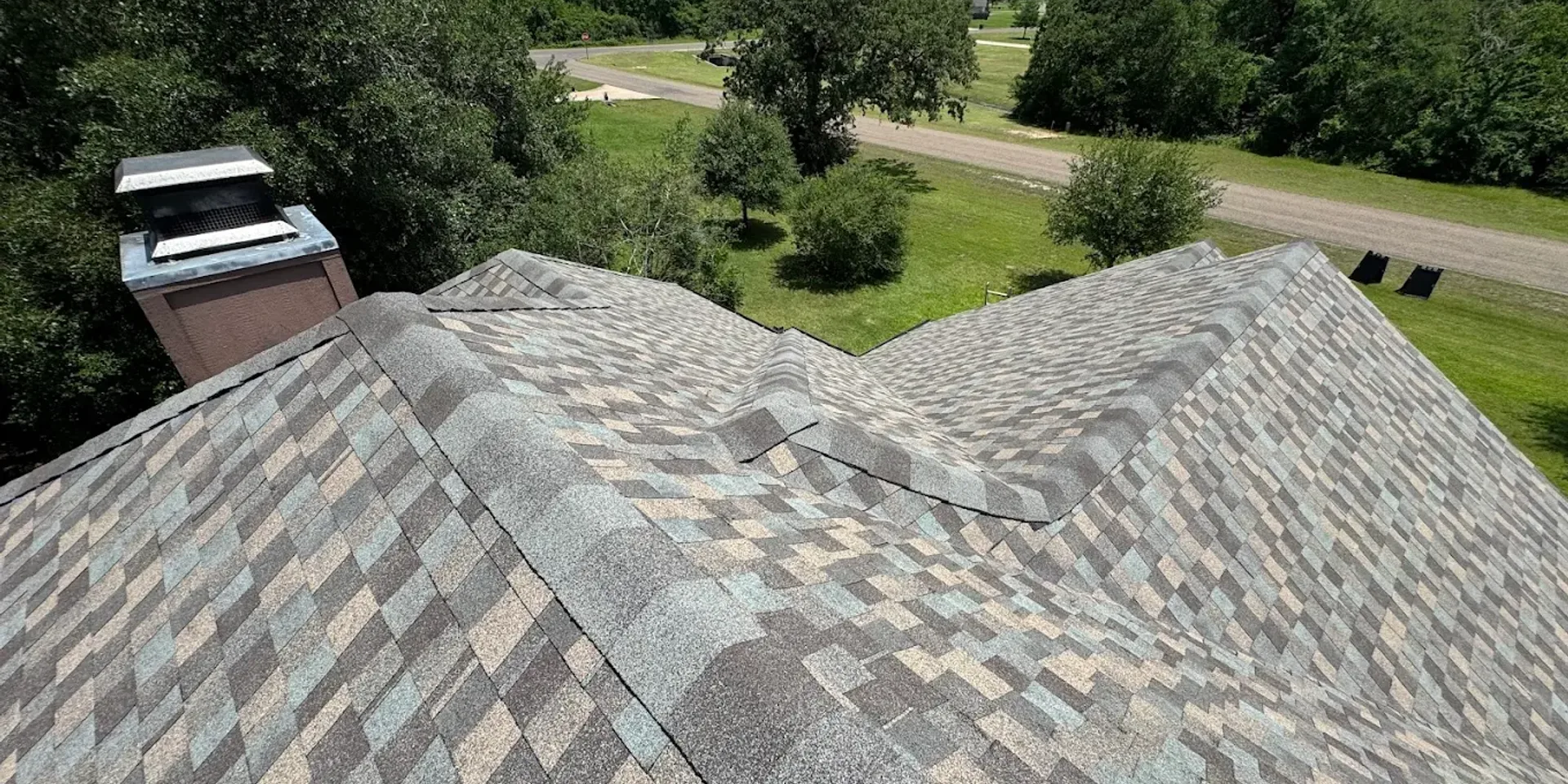
Roof concerns can influence a Houston home purchase long before a buyer sees a visible leak. Heat, humidity, and intense rain can accelerate wear. While a standard real estate inspection is designed to provide a limited visual survey, not uncover the cause of every deficiency. Texas inspectors must follow the Real Estate Inspector Standards of Practice established by the Texas Real Estate Commission. Which helps buyers understand what an inspection can and cannot establish.
A roof inspection contingency Houston buyers negotiate during the contract's option period can provide time to review documented findings and request an appropriate repair, credit, price adjustment, or other negotiated solution before closing.
The strongest decisions begin with clear evidence, not assumptions. A photo-documented report can help separate routine maintenance from a material deficiency and give the buyer and agent a practical foundation for the next conversation. Understanding what the contingency covers is the first step.
Schedule your free AI-powered roof inspection at 281-841-2504.
Texas Real Estate Commission inspection standards
A roof inspection contingency Houston buyers use gives them a defined opportunity to evaluate the roof. Review the findings, and negotiate an appropriate response before moving forward with the purchase.
In practical terms, the contingency connects the home inspection process to the purchase contract. During the Texas option period, a buyer can arrange an independent inspection and use the results to request repairs. Seek a credit or price adjustment, or decide not to continue under the contract. The exact rights and deadlines depend on the contract language, so buyers should review the provision with their real estate agent or attorney before taking action.
The inspection gives the buyer information while there is still time to make a contract decision. It does not automatically require the seller to replace the roof or correct every maintenance item. Instead, the report helps both parties identify conditions that may affect safety, structural integrity, remaining service life, insurability, or the buyer's expected ownership costs.
Texas inspectors licensed by the Texas Real Estate Commission must follow the agency's Standards of Practice, which establish minimum inspection requirements. TREC describes a real estate inspection as a limited visual survey and basic performance evaluation using normal controls. It is not a comprehensive investigation or exploratory examination intended to determine the cause of every deficiency. Read the TREC Standards of Practice to understand the inspection's defined scope.
That distinction matters during negotiations. A roof inspection report can document visible conditions, but it is not a warranty or guarantee that hidden defects will not appear later. If the inspector recommends additional evaluation, such as a specialist review of concealed materials or suspected structural damage. The buyer should ask how that follow-up fits within the option period.
Depending on the findings and contract terms, a buyer may request one or more of the following:
A credit is often worth discussing because it lets the buyer choose the contractor and materials after closing. Whether that is the best outcome depends on the lender, contract, insurance requirements, and the seriousness of the condition. The buyer should also avoid treating every observation as equally urgent. A clear report should separate immediate concerns from maintenance items and conditions that can reasonably be monitored.
Houston's extreme heat, heavy rainfall, and high humidity make objective roof documentation particularly useful. These conditions can accelerate material degradation, so photographs and area-specific observations help the buyer understand what is present now rather than relying on assumptions about the roof's age.
For a broader explanation of the evaluation process, see this guide to roof inspection before buying a house. The key contractual question remains simple: what does the report show, what response does the contract allow, and how much time is left to act?
In Texas, a roof inspection contingency gives the buyer a limited period to inspect the property. Document material findings, and negotiate repairs or credits before the option deadline expires.
The process begins when the buyer and seller agree to an option period in the contract. The exact timeframe and rights should come from the executed contract, so buyers should confirm the deadline with their agent rather than rely on a general timeline. Because inspection findings may lead to additional questions, estimates, or formal requests, scheduling early leaves room to make informed decisions.
For a Houston buyer, the first practical step is arranging the roof inspection immediately after the contract becomes effective. AI Roofing offers inspection scheduling within 24 hours, which can help preserve time for review and negotiation. Its reports are delivered within 48 hours, according to the company's documented service timeline. Those timeframes are useful only if the inspection is requested promptly. Waiting several days can leave too little time to understand the findings or prepare contract documents.
A roof inspection should provide more than a quick glance from the ground. AI Roofing combines professional roofing knowledge with photo documentation, drone imagery for difficult-to-access areas, and data-driven analysis. The result is a clearer record of what was observed, where it was observed, and how urgently it may need attention. The report is still a point-in-time assessment, not a warranty or a guarantee of future roof performance.
Once the report arrives, the buyer, agent, and inspector can review the findings together. The objective is not to treat every worn component as an emergency. A useful report distinguishes expected maintenance for the roof's age from deficiencies that may affect water resistance, safety, or the transaction's long-term value. Houston's heat, rainfall, and humidity can accelerate material wear, so context matters when interpreting a finding.
Buyers should ask focused questions: Is the issue active or potential? Is it localized or widespread? Can it be maintained, repaired, or is replacement reasonably foreseeable? This creates a factual basis for deciding what, if anything, to request from the seller. For more detail on negotiating roof repairs after inspection, review the related guide.
If the findings justify action, the buyer's agent typically uses the formal contract forms and procedures required for the transaction. The report should support the request with specific observations, photographs. And technical explanations rather than vague language such as "the roof needs work." AI Roofing's documentation can help connect a reported condition to the requested repair. Credit, or other negotiated response.
Keep the option deadline in view while this review occurs. A detailed report does not automatically extend a contractual deadline, and an inspection contingency does not guarantee that the seller will agree to a request. The buyer should communicate with the agent early, understand which notices or forms apply. And make any decision about proceeding, negotiating, or terminating within the rights and deadlines established by the contract.
The strongest workflow is therefore simple: schedule quickly, review evidence carefully, communicate through the appropriate contract process, and track every deadline. That discipline turns a roof inspection from a last-minute concern into useful information for a confident real estate decision.
Quick answer: A roof inspector evaluates visible roofing materials, flashing, penetrations, ventilation, drainage, and signs of weather-related deterioration, then separates safety or structural deficiencies from routine maintenance.
A professional inspection is more than a quick glance from the driveway. The inspector reviews the roof surface and accessible components using normal inspection methods, while keeping the limits of the assignment clear. In Texas, a TREC-licensed inspector must follow the Real Estate Inspector Standards of Practice, which establish minimum inspection requirements. TREC describes a real estate inspection as a limited visual survey, not an exploratory investigation that determines the cause of every deficiency. You can review the standards at TREC's Standards of Practice.
The inspection begins with the roof covering. The inspector looks for shingles or other roofing materials that are missing, loose, cracked, curled, blistered, excessively worn, or displaced. Areas with exposed underlayment, damaged edges, visible granule loss, or evidence of prior patching deserve closer attention. The goal is not to label every aged shingle as an emergency. It is to document how the observed condition affects water-shedding performance and the roof's remaining serviceability.
Houston's combination of extreme heat, high humidity, and intense rain events can accelerate material degradation. The roof may also show algae or moss growth. Those conditions can be cosmetic in some cases, but growth that holds moisture against shingles may contribute to faster deterioration. An inspector records the location and extent of the condition rather than relying on a broad statement such as "the roof is old."
Roof penetrations and transitions receive careful attention because they interrupt the roof's continuous water-shedding surface. Inspectors examine flashing around plumbing pipes, exhaust vents, chimneys, walls, valleys, and other protrusions for gaps, lifting, corrosion, improper installation, or failed sealant. Flashing is intended to direct water away from these vulnerable intersections. Incorrectly installed or damaged flashing is a frequent source of leaks, according to North Carolina State University's home inspection guidance.
These observations matter during a roof inspection contingency in Houston because a localized flashing deficiency may call for a targeted repair. While widespread failures or related interior moisture evidence may require a broader evaluation. The report should identify the affected component and explain what additional assessment, if any, is appropriate.
Where accessible, the inspector evaluates attic ventilation and looks for signs of excessive heat, moisture, staining, or inadequate airflow. Proper ventilation helps limit heat buildup beneath the roof deck, a significant consideration in hot Texas climates because trapped heat can accelerate shingle aging. Ventilation should be considered alongside insulation, roof design, and moisture control rather than treated as a one-size-fits-all upgrade.
The most useful report distinguishes an active leak, safety concern, structural issue, or condition that threatens near-term performance from routine maintenance. A small amount of surface wear or manageable algae may belong in a maintenance plan. Missing shingles, failed flashing, recurring moisture, or compromised roof components may deserve prompt technical review. AI Roofing's AI-powered roof inspection reports and roof inspection checklist can help buyers and agents review findings by location, condition, and priority, so negotiations focus on documented deficiencies instead of assumptions.
For many buyers, a repair credit provides stronger long-term control because it lets them choose the contractor, materials, and scope after closing. The better option still depends on the roof's condition, the transaction timeline, lender requirements, and the seller's willingness to negotiate. A clear inspection report helps separate routine maintenance from deficiencies that deserve attention in the contract.
In Houston, that distinction matters. Heat, humidity, and intense rain can accelerate material aging, so a roof that is functional today may still have limited remaining service life. Buyers should evaluate both the immediate condition and what the roof may require in the near term, without relying on vague language or pressure-driven recommendations.
| Consideration | Repair credit | Seller-performed repair |
|---|---|---|
| Contractor and materials | The buyer can select a qualified contractor and confirm that appropriate materials and workmanship are used. | The seller selects the contractor or accepts a contractor's recommendation. The buyer may have less control over materials and installation details. |
| Quality verification | The buyer can schedule the work, review the scope, and inspect the completed result directly. | The buyer should request invoices, warranties, permits when applicable, and documentation showing exactly what was completed. |
| Scope of work | The buyer can prioritize material deficiencies and coordinate related work as part of a broader plan. | The work may be limited to the specific item identified, and a lowest-bid approach may not address related or developing concerns. |
| Long-term roof value | The negotiation can account for current repairs and the roof's anticipated remaining lifespan, including a near-term replacement need when supported by documentation. | The immediate defect may be corrected without resolving broader questions about age, remaining service life, or future maintenance. |
| Timing and closing | The buyer may handle the work after closing, but must confirm the credit structure with the lender and transaction professionals. | The repair can be completed before closing, but the parties need enough time for documentation and a reinspection if appropriate. |
A credit is not automatically the right answer. If a lender requires a repair before funding, or if the issue creates an immediate safety or water-intrusion concern, seller-performed work may be necessary. In either case, the request should identify the condition, recommended scope, and supporting evidence rather than simply stating that the roof is old.
An objective, photo-documented report can support a focused request for a credit or repair. It can also classify findings by urgency, helping buyers avoid spending negotiation capital on expected maintenance items while keeping attention on meaningful deficiencies. For transaction strategy, review this guide to a professional roof inspection in Houston.
Use the option-period timeline carefully and put the agreed scope, credit, or documentation requirements in the appropriate contract paperwork. A licensed real estate professional can explain the transaction terms, while a qualified roofing professional can explain the condition and practical repair implications.
An AI-powered roof inspection report strengthens negotiation by replacing general observations with documented evidence about the roof's location, severity, and urgency. That distinction matters when a buyer is asking for a credit or price adjustment during a limited option period. Instead of relying on conflicting opinions, the buyer, seller, agent, lender, or insurer can review the same visual record and discuss the actual condition shown.
AI Roofing combines professional roofing knowledge with drone photography and AI-supported analysis. Drone imagery can capture high-definition views of steep or elevated roof areas that are difficult to assess safely from the ground. The result is a more useful record of the roof's condition, including areas that may not be obvious during a basic walk-around.
Photo documentation gives a negotiation a shared reference point. A report can show the specific slope, penetration, flashing area, or material condition being discussed rather than simply stating that the roof is worn. This makes it easier to separate a maintenance issue from a deficiency that may affect the transaction. And it helps each party ask more precise questions about the appropriate next step.
That level of detail is especially valuable in Houston, where extreme heat, heavy rainfall, and high humidity can accelerate material degradation. AI-supported analysis may identify early-stage granular loss or micro-cracks that are difficult to see with the naked eye during a standard walkthrough. These findings do not automatically mean that a roof requires replacement. They give the buyer better information about developing wear and the roof's likely needs over time.
Generic report language can make every observation sound equally important. A more granular report organizes findings by area, severity, and urgency. That classification helps the negotiating parties distinguish an immediate water-intrusion or safety concern from a condition that can be monitored or addressed through routine maintenance.
This supports a more reasonable request. A buyer may have stronger grounds for seeking a credit when the documentation shows a defined deficiency and explains its practical significance. The report can also help the buyer consider the roof's remaining service life, not only the cost of a current repair. As with any inspection, the report provides information about observed conditions at a point in time. It is not a warranty or a guarantee of future performance.
Clear evidence is most useful when it arrives before the buyer's decision deadline. AI Roofing provides reports within 48 hours, which can help buyers and their representatives review findings and prepare a documented request while the option period is still open. The report does not replace contract advice from a qualified real estate professional or legal counsel, but it can give those professionals better technical information to work with.
For buyers who want a documented starting point, book your free AI-powered roof inspection before the option deadline passes. A focused, photo-supported assessment can turn a difficult roof negotiation into a clearer conversation about condition, urgency, and a fair path forward.
Book your free AI-powered roof inspection now.
Schedule it as early as possible after the contract is executed. The inspection findings must be reviewed while the option period is still open, giving you time to discuss repairs, credits, or other contract decisions with your agent. A report delivered within 48 hours can help keep that review within a tight deadline.
No. A TREC-compliant inspection is a limited visual survey and basic performance evaluation, not a comprehensive investigation or guarantee of future condition. Texas inspectors must follow the Real Estate Inspector Standards of Practice, but buyers should still ask questions about unclear findings and consider specialized follow-up when needed. TREC Standards of Practice
That depends on the roof's condition, the contract, and the parties' priorities, but a credit often gives the buyer more control over contractor selection, materials, and workmanship. Base the request on documented deficiencies and a detailed contractor estimate, and account for both immediate repairs and the roof's remaining useful life.
No. A seller-provided report can be useful background, but buyers should complete their own due diligence and obtain an independent professional survey. An independent inspection helps confirm current conditions and gives the buyer a clearer basis for contract negotiations.
Get clear, documented information before you finalize your Houston real estate decision. AI Roofing combines experienced roofing professionals with AI-powered analysis and photo documentation to help you understand the roof's condition and discuss next steps with confidence.
Roofing Resources


