Home
Home
Services
Services

Resources
Resources
Storm Restoration
Storm Restoration
Roof Systems
Roof Systems
Locations
Locations
Book a free roof inspection before buying a house Houston buyers can use to uncover hidden damage and negotiate with clear photo evidence.

A roof can look fine from the driveway and still hide the most expensive uncertainty in a Houston home purchase. Intense sun, heavy rain, high humidity, hail, and strong winds can leave damage that is easy to miss during a walk-through. A dedicated roof inspection turns that uncertainty into clear evidence before your option period ends.
A roof inspection before buying a house Houston homebuyers can rely on is a focused assessment of the roof surface, flashing, drainage, penetrations, attic, and visible structure. It documents what is working, what needs maintenance, and what may require repair. The findings give you and your real estate agent evidence to discuss repairs, credits, or other contract terms before closing.
That distinction matters in a time-sensitive purchase. A stain can point to an active leak, an older repaired leak, or a separate moisture source. A few worn shingles may call for maintenance rather than replacement. Location-labeled photos and plain-language priorities help you ask better questions without turning every observation into a crisis.
For clear, photo-supported findings during a time-sensitive purchase, book a free AI-powered roof inspection as soon as your offer is accepted.
A general home inspection covers many systems in a limited amount of time. It can identify visible roof concerns, but access, roof pitch, weather, and scope may limit how closely the inspector can evaluate every surface and detail. A roof specialist focuses on the roof system and can explain how each finding affects performance, maintenance, and likely next steps.
Houston roofs experience long periods of heat and ultraviolet exposure, sudden downpours, wind-driven rain, and occasional hail. Those conditions can loosen shingles, wear sealants, damage flashing, and expose weak drainage. High humidity can also make an overlooked leak more damaging by contributing to damp decking, insulation, or attic framing.
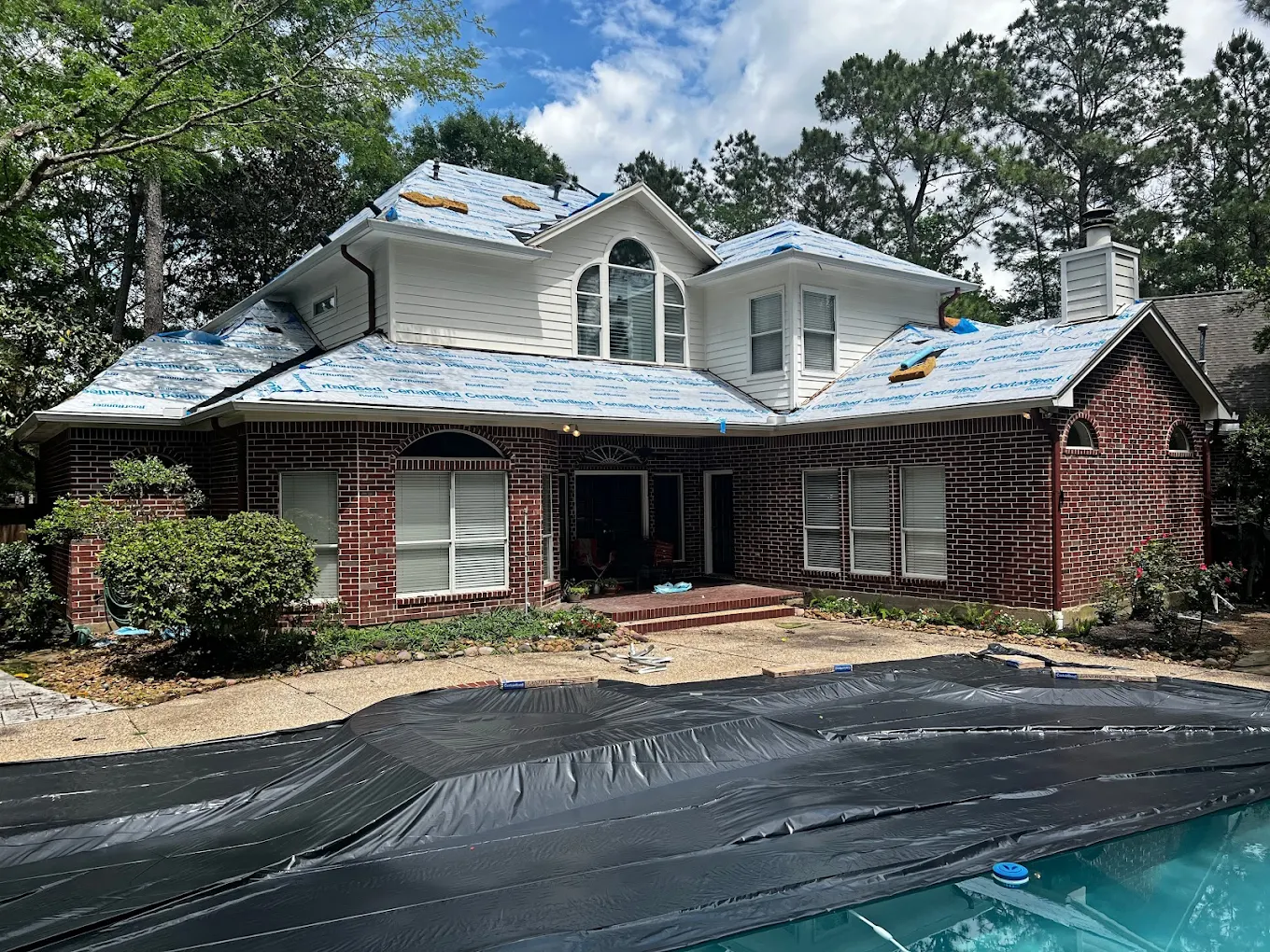
Homebuyers should also watch for indoor clues such as ceiling stains, musty attic odors, and discolored decking. The EPA's guidance on moisture and mold explains why controlling leaks and dampness matters. A roof-specific inspection connects those clues to possible exterior entry points.
Roof age is useful context, but age alone does not determine whether a roof needs replacement. Material type, installation quality, ventilation, storm exposure, and maintenance history all affect remaining service life. Even a newer roof can have installation defects or storm damage, while an older, well-maintained roof may still be performing as intended.
A good inspector explains the difference between normal wear, maintenance needs, repairable defects, and signs that warrant further evaluation. That distinction helps you plan without treating every finding as a crisis.
Clear photos and location-specific notes make roof findings easier for buyers, sellers, agents, and contractors to understand. Instead of relying on a vague statement that the roof looks old, you can discuss a documented lifted shingle, failed pipe-boot seal, damaged flashing, or area of moisture staining.
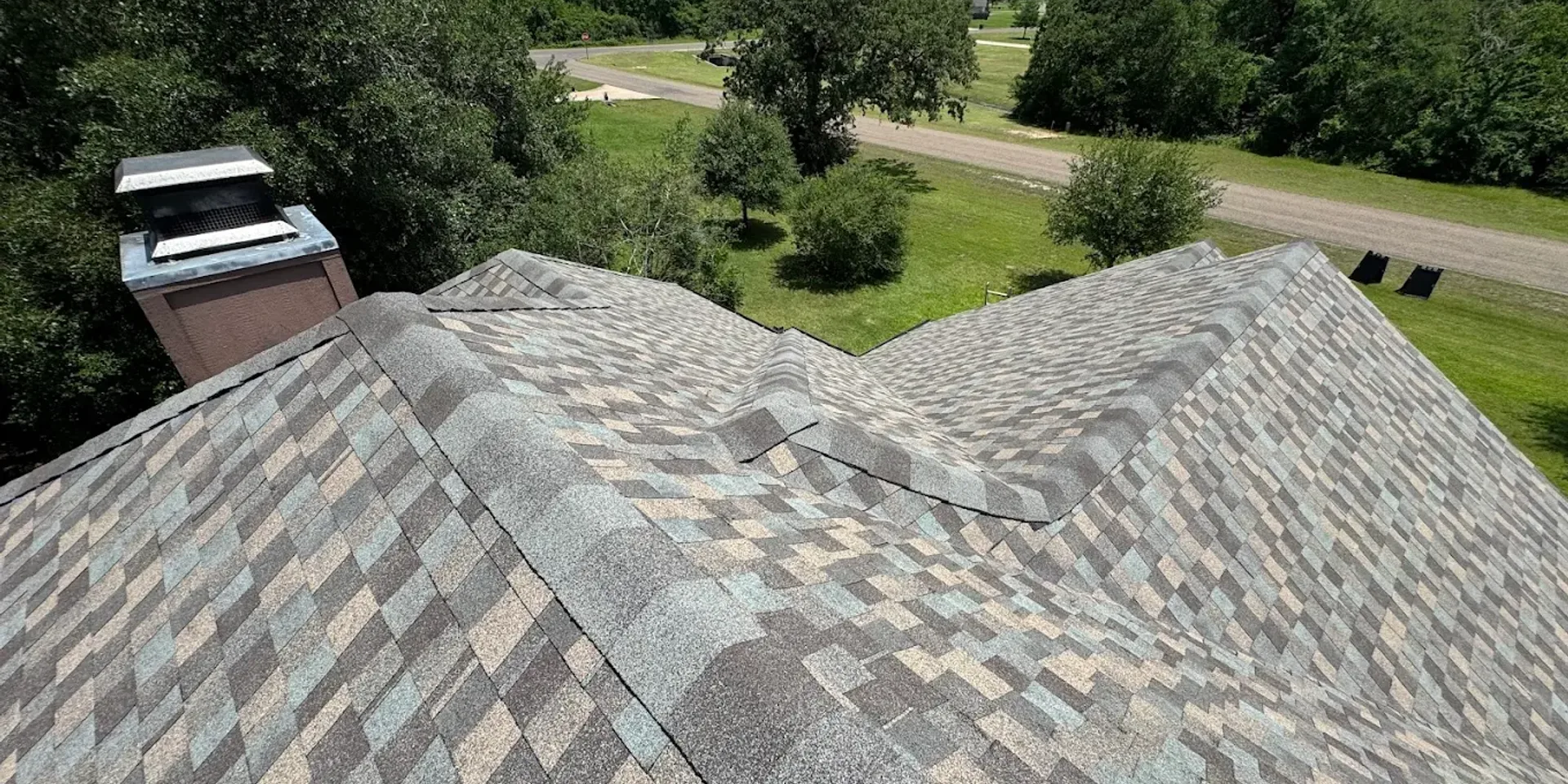
Technology can improve access and documentation. An AI-powered drone roof inspection can capture detailed views of areas that may be difficult or unsafe to access on foot, while an experienced roofing professional interprets the evidence.
A thorough inspection should evaluate the exterior roof system, drainage components, visible structure, attic conditions when accessible, and signs of past repairs. It should also produce a report that separates observations from recommendations.
The inspector should review shingles or other roof coverings for missing, cracked, lifted, curling, bruised, or excessively worn areas. They should also note visible sagging, uneven rooflines, exposed fasteners, previous patches, and evidence of multiple roofing layers.
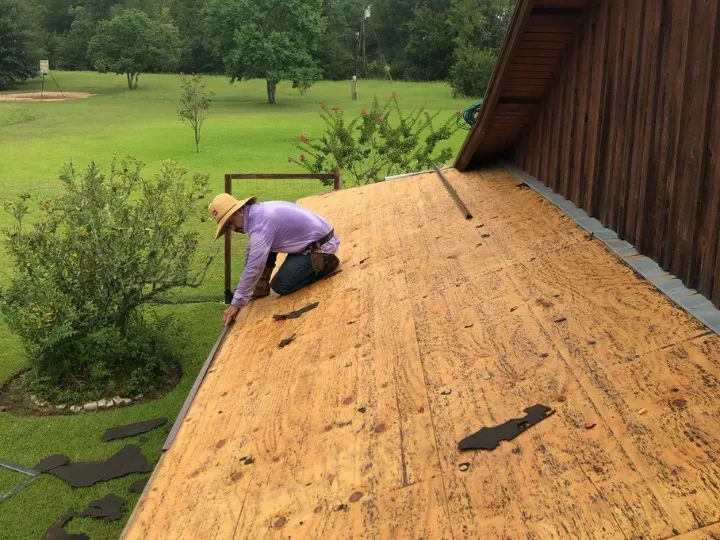
Many leaks begin at transitions rather than in the middle of a roof plane. The inspection should closely review flashing around chimneys, walls, valleys, skylights, and roof-to-wall intersections. It should also examine seals at plumbing vents, exhaust vents, and other penetrations.
Gutters, downspouts, valleys, and roof edges should move water away efficiently. During Houston downpours, debris, poor slope, loose gutters, or inadequate discharge can allow water to back up or collect near the home's foundation.
When the attic is safely accessible, it can provide important evidence about the roof's performance. The inspector should look for visible staining, active moisture, deteriorated decking, daylight through openings, damaged insulation, and signs of inadequate airflow. Findings should be documented without assuming the cause until the exterior and interior evidence are considered together.
The final roof condition inspection report should connect photos to specific locations and explain which items are informational, which need maintenance, and which merit repair or specialist review.
Texas option periods can be short, so contact a roofing professional as soon as your offer is accepted. Scheduling the inspection on day one or two gives the inspector time to access the property, prepare findings, and answer questions before your deadline.
AI Roofing can schedule inspections within 24 hours and deliver the report within 48 hours. That timeline gives buyers and their agents a practical window to review evidence and decide whether to request repairs, seek a credit, renegotiate other terms, or continue without changes.
A home inspection contingency may give a buyer options when defects are found, but contract rights vary. The University of Georgia Extension's home inspection overview provides helpful general context. Ask your Texas real estate agent or attorney how the terms of your specific contract apply.
Photo documentation turns technical roof observations into evidence that all parties can review. A labeled image of failed flashing or a missing shingle is more useful than an unsupported statement that the roof is in poor shape. It also helps contractors prepare more focused repair estimates.
Not every issue should affect the transaction in the same way. A report may identify debris that needs cleaning, sealant that should be monitored, damaged materials that need repair, or a structural concern that requires a specialist. Clear priority levels help buyers focus on material risks rather than reacting to a long but unranked list.

Buyers may use documented findings to ask for completed repairs, a seller credit, a price adjustment, or further evaluation. The appropriate request depends on the contract, the severity of the concern, and advice from the buyer's real estate professional. An AI-powered drone assessment can help keep those discussions focused on visible evidence.
Photos also establish a useful baseline for future maintenance. If you purchase the home, you can compare later conditions with the original inspection record and track changes over time.
A useful report should make priorities easy to understand. Look for specific locations, supporting images, a plain-language description, and a recommended next step. If a finding is unclear, ask whether it affects current performance, needs near-term maintenance, requires repair, or needs further evaluation.
| Finding Level | What It Means | Practical Next Step |
|---|---|---|
| Working as intended | No visible defect was identified in the inspected area. | Continue routine maintenance and periodic checks. |
| Maintenance recommended | A condition could worsen if it is not addressed. | Plan cleaning, sealing, or other preventive work. |
| Repair recommended | Visible damage or a performance concern was found. | Request a repair scope and qualified estimate. |
| Further evaluation needed | The evidence suggests a concern beyond the inspection scope. | Consult the appropriate specialist before the deadline. |
A clear roof inspection report should help you understand both strengths and concerns. The goal is not to pressure you toward a repair or replacement. It is to give you the facts needed to make a confident purchase decision.
A general home inspection provides valuable information, but its scope and roof access may be limited. A roof-specific inspection offers a closer assessment of roofing materials, flashing, drainage, penetrations, accessible attic conditions, and visible storm damage.
Schedule it as soon as your offer is accepted, ideally on day one or two of the option period. Early scheduling leaves time for access, reporting, follow-up questions, repair estimates, and discussions with your real estate agent.
No. Age is only one factor. Material type, installation quality, ventilation, storm exposure, current condition, and maintenance history all matter. An inspection should identify observable defects and explain likely next steps rather than recommend replacement based on age alone.
A detailed report provides photos and specific findings that buyers can discuss with their agent. Depending on the contract and issue severity, buyers may request repairs, seek a credit, renegotiate terms, or obtain further evaluation before the option period ends.
Before you commit to a Houston home, get objective evidence about one of its most important systems. Book your free AI-powered roof inspection and get clarity on the roof's condition.
Roofing Resources