
Home
Home
Services
Services

Resources
Resources
Storm Restoration
Storm Restoration
Roof Systems
Roof Systems
Locations
Locations
Learn how roof repairs paid at closing Texas may work, including approvals, documentation, timing, risks, and stakeholder responsibilities.

Roof repairs paid at closing Texas arrangements can help a seller address necessary roof work without paying the full cost before the sale. The roofer completes an approved scope, then receives payment from closing proceeds through the title company. The option can support a transaction, but it is never automatic. Eligibility depends on written approval from the parties, title company, lender, and other transaction professionals.
Schedule a 15-minute Real Estate Partner Program discovery call to discuss the roof, timeline, documentation, and transaction requirements.
A paid-at-closing roof repair arrangement generally means an approved roofing contractor completes agreed work before closing and is paid from the seller's proceeds when the sale funds. The contract, title instructions, lender conditions, and contractor agreement must all align. If any required party declines, another payment plan is needed.
This approach is sometimes called deferred payment, payment at closing, or repair escrow, although those terms can describe different structures. In a typical arrangement, the contractor agrees to wait for payment until closing. The title company receives an invoice and written payment authorization, then disburses the approved amount from available seller proceeds after funding.
Payment timing is only one part of the issue. The buyer and seller must still agree on the repair scope, access, deadlines, and responsibility if the transaction does not close. The lender may require completion before funding, proof of repairs, or a particular inspection. The title company must be willing and able to disburse the invoice under its procedures.
The arrangement may help when a roof issue is affecting insurability, financing, negotiations, or buyer confidence and the seller has adequate proceeds but prefers not to pay before closing. It can also reduce uncertainty by turning a broad repair request into a documented scope with photos, materials, warranty information, and a final invoice.
Paid at closing does not guarantee lender approval, title approval, insurance eligibility, a successful closing, or payment if the sale fails. It also does not replace the purchase contract or create permission to change negotiated terms. Everyone should understand the contingency plan before work begins.
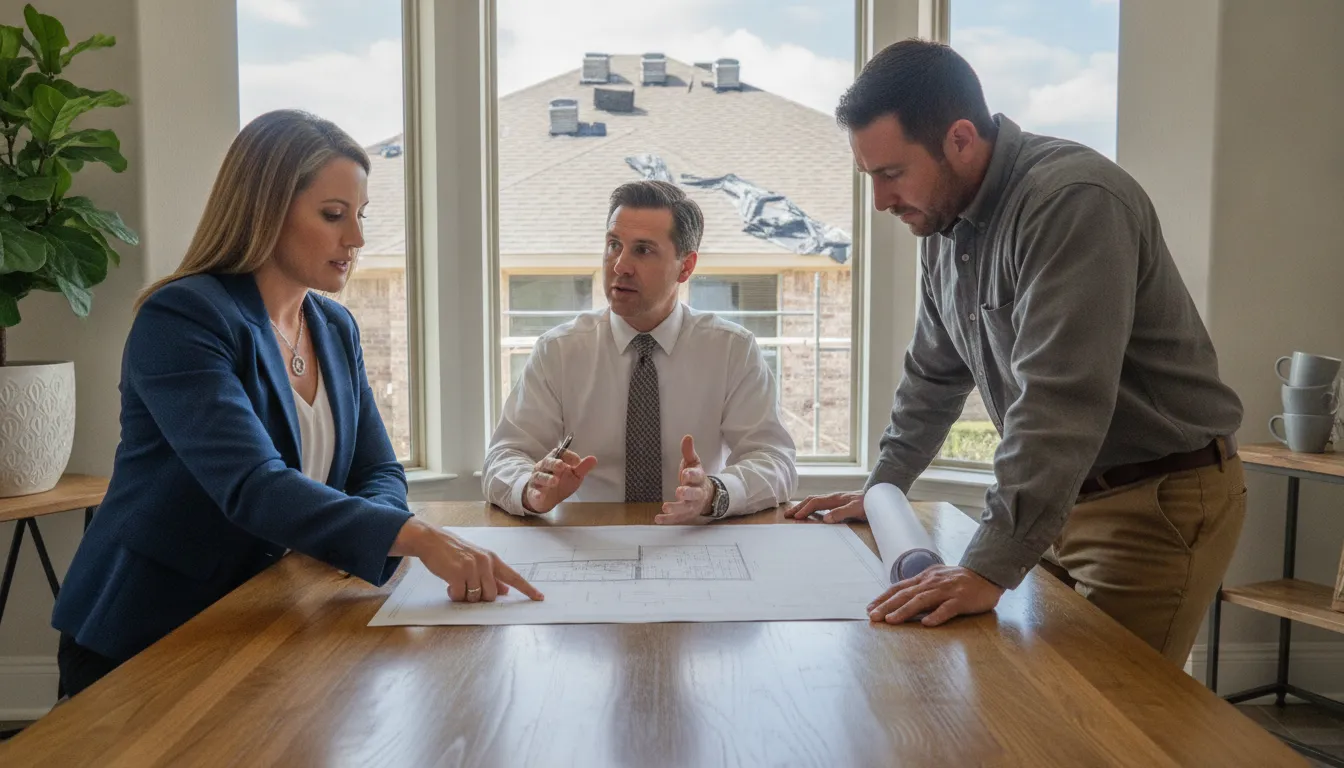
The process moves from inspection to scope approval, transaction approval, repair completion, final documentation, and disbursement. The safest sequence confirms eligibility before roofing work starts. Each stakeholder should know what must be delivered, who signs it, when repairs must finish, and what happens if closing is delayed or canceled.
Begin with a professional roof inspection rather than relying only on visible symptoms or a general home inspection note. A roofing inspection can document affected areas, likely causes, existing condition, and recommended action. Good documentation helps the parties distinguish an isolated repair from a larger replacement need.
The roofing contractor should provide a written scope describing materials, work areas, exclusions, estimated timing, payment amount, and payment conditions. Confirm whether the price could change after hidden damage is uncovered. If added work may be necessary, establish who can authorize it and how the transaction team will be notified.
The buyer, seller, agents, title company, lender, and contractor should review the plan as applicable. Approval should be documented in writing through the appropriate agreements and instructions. The title company can explain its disbursement requirements, while the lender determines whether the repair structure satisfies loan conditions.
After approvals are confirmed, the roofer performs the agreed work and prepares final documentation. This may include before-and-after photos, completion confirmation, a final invoice, material details, and warranty information. Any difference between the approved scope and completed work should be resolved before the closing deadline.
At closing, the title company follows approved written instructions and its own requirements. After funding, the parties should confirm that the contractor was paid and retain the inspection, scope, invoice, completion evidence, approvals, and warranties with the transaction file. A practical overview of a documented roof condition report can help stakeholders understand the type of evidence that supports clear decisions.
At minimum, the seller, roofing contractor, and title company usually need to agree to the payment structure. The buyer and lender may also need to approve the repair, timing, documentation, or contract changes. Agents, insurance professionals, inspectors, and attorneys may have important roles depending on the property and transaction.
Texas real estate transactions involve separate professionals with separate responsibilities. A roofer can explain roof conditions and the proposed work, but cannot decide whether a contract amendment is sufficient, whether title may disburse funds, or whether a loan can close. Those questions belong to the appropriate transaction professional.
The seller generally authorizes the work and payment from available proceeds. The buyer may need to approve the scope, completion evidence, or negotiated repair terms. Both parties should understand who bears the cost if the sale is delayed or canceled and whether access is available after a missed closing date.
The title company determines whether it can accept the payment instruction and what documents it requires. The lender determines whether repairs must be finished before funding and whether the property meets underwriting or appraisal conditions. A title company's willingness to disburse funds does not substitute for lender approval.
Agents coordinate communication and deadlines within their authorized role. An inspector may document conditions, and an insurance professional may assess coverage or insurability. Parties should consult a qualified Texas real estate attorney when they need legal advice or custom contract language.
Important caveat: Eligibility depends on the purchase contract, available seller proceeds, contractor terms, title company procedures, lender requirements, and transaction approvals. This article is educational and is not legal, title, lending, insurance, tax, or financial advice.
Useful documentation connects the roof condition, agreed scope, authorization, completed work, and final payment. A complete file commonly includes an inspection report, photos, written scope, invoice, repair agreement, transaction approvals, completion evidence, warranty details, and title disbursement instructions. Requirements vary, so confirm the exact list with each stakeholder.
| Document | Primary purpose | Who should review it |
|---|---|---|
| Roof inspection report and photos | Documents condition and recommended action | Buyer, seller, agents, contractor, lender or insurer if requested |
| Written repair scope | Defines work, materials, exclusions, and timing | Buyer, seller, contractor, and transaction team |
| Payment-at-closing agreement | States payment timing, conditions, and fallback obligations | Seller, contractor, title company, and legal advisor as needed |
| Contract amendment or repair agreement | Records negotiated transaction responsibilities | Buyer, seller, agents, lender, and legal advisor as needed |
| Final invoice and completion evidence | Confirms amount due and completed scope | Title company, buyer, seller, lender, and contractor |
| Warranty information | Explains applicable workmanship and material coverage | Buyer and seller |
Stakeholders who want more context on inspection documentation can review this explanation of roof certification considerations. A certification, inspection report, warranty, and repair invoice serve different purposes, so do not assume one automatically replaces another.
Common problems include starting work before approvals, unclear scopes, missed deadlines, inadequate seller proceeds, lender objections, title disbursement restrictions, hidden damage, incomplete completion records, and a canceled sale. Most risk can be reduced by confirming requirements early, assigning responsibilities, and documenting a fallback payment plan before work begins.
A verbal understanding is not enough when several parties and deadlines are involved. If a contractor begins before the title company or lender accepts the structure, the seller may remain directly responsible for payment. Written confirmation helps prevent assumptions about who approved what.
Roof decking or other concealed components may not be visible until work begins. A scope should explain how discoveries are documented and how additional work is authorized. Unapproved changes can create disputes, delay completion, or leave the title company with an invoice that does not match its instructions.
The contractor's agreement should state what happens if funding is late or the sale falls through. Parties should also consider access, weather, expiration dates, invoice due dates, and responsibility for completed work. A backup plan is especially important because a contractor that has completed the work still expects payment.
A completed repair does not guarantee that an insurer will issue coverage or that a lender will fund. The buyer may also request additional evidence or professional review. Confirm each requirement directly rather than assuming one stakeholder's approval binds the others.
Roofing work depends on safe conditions, material availability, crew scheduling, property access, and enough time to document completion. A closing date that leaves no margin can create unnecessary risk. Build in time for weather changes, final review, and delivery of documents. If the schedule changes, notify the transaction team promptly so each party can evaluate the effect on closing.
Use one current version of the scope and keep important decisions in writing. Assign a point of contact for the contractor and a point of contact for the transaction. Confirm deadlines backward from closing, including the last acceptable repair date, inspection date, document-delivery date, and invoice-approval date. Finally, verify that the fallback payment obligation is clear before anyone authorizes labor or materials.
AI Roofing supports real estate professionals with objective roof documentation, clear scopes, photo evidence, and coordinated communication. For approved Real Estate Partner Program clients, the company attributes 24-hour inspection scheduling, 48-hour report delivery, and one-week repair completion to the program. Actual eligibility and transaction approvals still must be confirmed.
The goal is to replace uncertainty with useful evidence. AI-powered inspections and drone technology help document roof conditions so buyers, sellers, and transaction professionals can understand what is working, what needs attention, and why a repair may be recommended. Recommendations remain pressure-free and focused on the facts available.
Real estate deadlines can be tight, so organized communication matters as much as roofing work. AI Roofing's resources for real estate partners explain how the team supports agents and transaction stakeholders. Program timelines apply specifically to Real Estate Partner Program clients and should not be interpreted as a universal promise for every project.
AI Roofing can provide roof findings, repair recommendations, photos, scope information, and completion documentation relevant to the roofing work. Applicable craftsmanship is backed by a lifetime craftsmanship warranty. Material warranties and coverage terms may differ, so review the actual warranty documents for the project rather than relying on a general description.
Whether paid at closing is available depends on the specific transaction. The right first step is to identify the roof condition, then let the appropriate title, lending, legal, and transaction professionals determine whether the proposed structure can proceed.
Before the call, gather the property address, known roof concerns, contract timeline, option-period deadline, expected closing date, and names of the relevant transaction contacts. Ask what inspection information can be provided, how the proposed scope will be documented, what the contractor requires before work, and which completion records will be available. Then confirm payment-at-closing eligibility separately with the title company, lender, and other appropriate advisors.
A useful conversation should clarify the roofing facts without pressuring a party toward a particular transaction decision. The final choice should reflect the property's condition, negotiated contract, available proceeds, lender conditions, title requirements, and advice from qualified professionals.
They may be, if the contractor accepts deferred payment and all required transaction parties approve the arrangement. Approval can depend on the purchase contract, seller proceeds, title company procedures, lender conditions, documentation, and timing. Confirm eligibility in writing before work begins.
The buyer and seller negotiate responsibility, subject to their contract and any lender requirements. A paid-at-closing structure often uses authorized seller proceeds, but that is not automatic. The written agreements should identify the responsible party, approved amount, and fallback obligation if the transaction does not close.
The contractor still needs to be paid for authorized completed work. The repair and payment agreement should state who owes payment, when it becomes due, and what happens after a delay or cancellation. Parties should review those terms with appropriate advisors before authorizing work.
The lender may need to approve the repair plan, completion timing, documentation, or related contract terms. Requirements vary by loan and property. Title approval alone does not guarantee lender approval, so the transaction team should confirm lending conditions early.
A typical file may include the inspection report, photos, written scope, repair agreement, contract amendment if applicable, payment authorization, final invoice, completion evidence, and warranty information. The title company and lender should provide their exact requirements because no single checklist fits every transaction.
No. This article provides general educational information about a possible roofing payment arrangement. It is not legal, title, lending, insurance, tax, or financial advice. Consult the appropriate licensed or qualified professionals about the contract, disbursement instructions, loan, insurance, and obligations in a specific transaction.
Roofing Resources


