Home
Home
Services
Services

Resources
Resources
Storm Restoration
Storm Restoration
Roof Systems
Roof Systems
Locations
Locations
Learn why wind damage inspections matter, how to spot hidden roof issues after a storm, and when to call a professional for a thorough assessment.
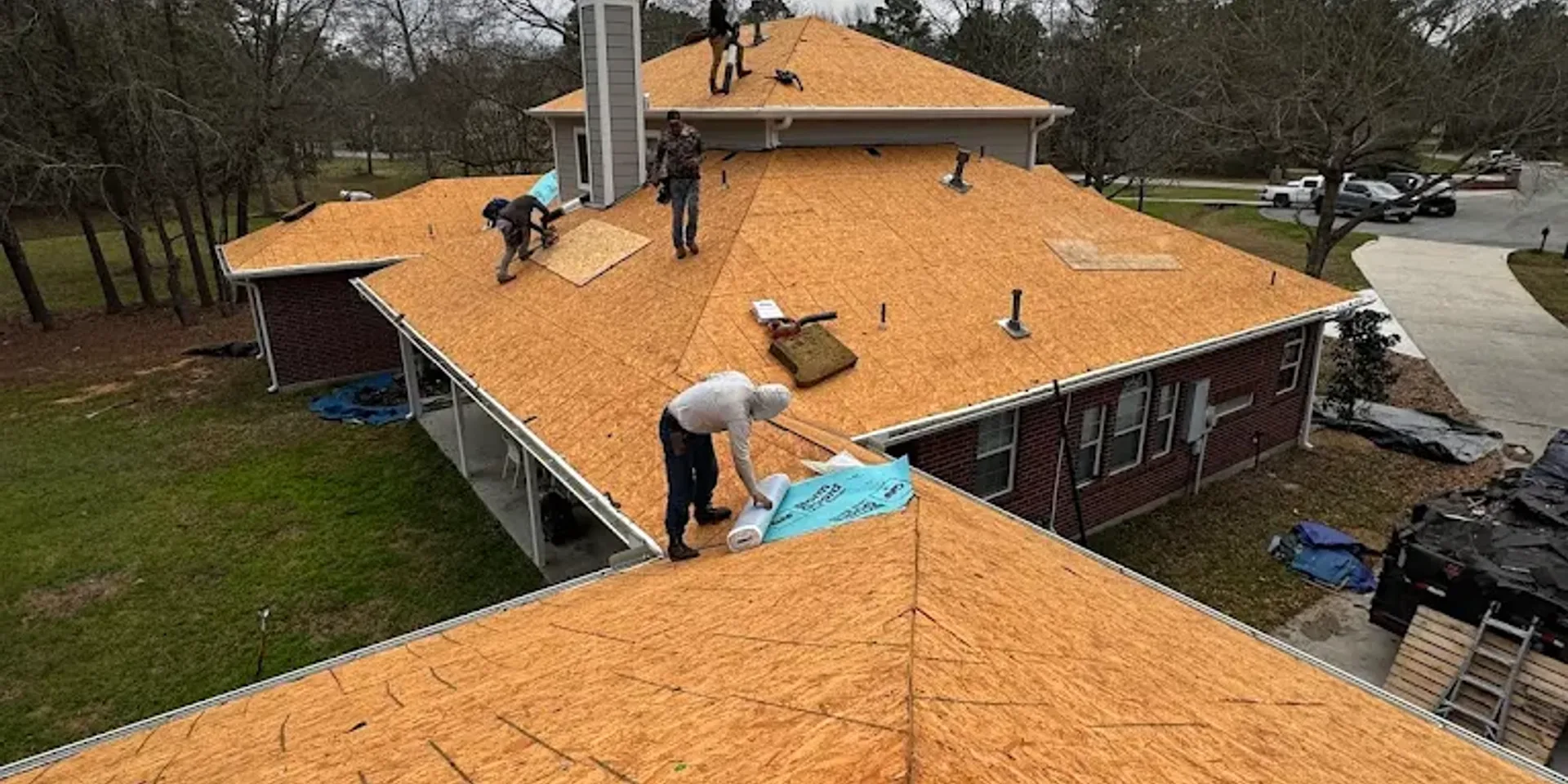
Your roof might look fine after a storm, but that can be deceiving. A common mistake is assuming no missing shingles means no damage. In reality, high winds often break the vital adhesive seals on your shingles, creating hidden pathways for water you can't see from the ground. A quick glance simply isn't enough. This is why professional wind damage inspections are so critical. They uncover the less obvious signs of failure, giving you a factual diagnosis so your peace of mind is based on certainty, not guesswork.
After a major wind event, it’s smart to assess your property for potential issues. Your roof is the most vulnerable part of your home, but damage isn’t always as dramatic as a fallen tree limb. High winds can cause subtle problems that lead to serious leaks down the road if left unaddressed. Knowing what to look for helps you identify damage early. You can spot many of these signs safely from the ground, giving you the information you need to decide on the next steps.
The most obvious sign of wind damage is missing shingles. Take a walk around your property and look for any bare patches on the roof. Wind can also lift the edges of shingles without completely tearing them off, breaking the adhesive seal that keeps them flat. This damage often appears as curled or lifted shingle tabs that may flap in the breeze. Over time, this constant bending can cause shingles to crease or crack, creating a direct path for water to reach the underlying roof deck. A compromised shingle seal is a critical failure point that requires professional attention.
Asphalt shingles are covered in a layer of crushed mineral granules that protect them from UV rays and physical damage. When high winds repeatedly lift and flex the shingles, these granules can loosen and wash away. You might notice this as "bald spots" on your roof or see an accumulation of black, sand-like particles in your gutters and at the bottom of your downspouts. While some granule loss is normal over a roof's lifespan, a significant amount after a storm indicates accelerated wear. This loss exposes the underlying asphalt to the elements, shortening the life of your roof.
Flashing is the thin metal material installed where your roof meets a vertical surface, like a chimney, wall, or skylight. Its job is to direct water away from these vulnerable joints. Strong winds can easily bend, lift, or pull this metal away from the structure, breaking the watertight seal. From the ground, look for any pieces of flashing that appear bent, detached, or out of place. Even a small gap can allow water to seep into your attic and walls, causing hidden rot and mold. Properly installed roof flashing is essential for preventing leaks.
During a windstorm, debris like tree branches, hail, and loose objects can become projectiles. While you might not be able to see small impacts on your roof surface from the ground, you can often spot collateral damage. Check your metal roof vents, exhaust caps, and gutters for dents and dings. If these sturdy metal components are damaged, there is a strong possibility that your shingles sustained impacts as well. These dents can crack a shingle or create a weak spot that will eventually fail, making it an important clue that a closer, professional inspection is needed.
After a severe storm passes, your first instinct might be to assess the damage to your home, especially your roof. A thorough inspection is important, but your safety should always come first. You can gather a lot of information without ever setting foot on a ladder. A careful, step-by-step process starting from the ground can help you identify potential issues and determine if you need to call a professional. This approach allows you to document problems for your insurance claim while avoiding the risks associated with walking on a potentially damaged or slippery roof. The following steps will guide you through a safe initial inspection, helping you spot clear signs of wind damage from a secure location.
Your inspection should begin on the ground. Walk around the entire perimeter of your house and look for any obvious signs of damage. Keep an eye out for shingles or roofing material that has fallen into your yard, driveway, or on your deck. Pay close attention to the roof itself, looking for any shingles that are clearly missing, torn, or curled up at the edges. Don’t forget to inspect other parts of your home’s exterior that could indicate a problem. Check your gutters, vents, and windows for dents, cracks, or other signs of impact from hail or flying debris. This initial walk-around gives you a solid baseline understanding of the storm's impact.
For a more detailed view without the risk, grab a pair of binoculars. From a safe spot on the ground, you can get a much closer look at the surface of your roof. Scan each section methodically. Binoculars are excellent for spotting subtle damage that you might miss with the naked eye, such as shingles that have been lifted by the wind but haven't completely detached. You can also get a clearer view of the flashing, which is the metal material around your chimney, vents, and valleys. Look for any flashing that appears bent, loose, or pulled away from the roof, as these are common failure points that can lead to leaks.
Wind damage isn't always visible from the outside. High winds can create small openings by lifting shingles, allowing rainwater to seep into your home's structure. That’s why your next stop should be your attic. With a flashlight, carefully check the underside of the roof deck for any signs of moisture problems. Look for dark water spots on the wood, damp or compressed insulation, or any light shining through from the outside. Even if you don’t see active dripping, these signs indicate that water has found a way in. A musty smell is another key indicator of a hidden leak that needs immediate attention.
This is the most important rule: do not go on your roof yourself. A roof that has been weakened by a storm can be unstable, and wet shingles are incredibly slippery. Attempting to walk on it creates serious fall hazards that can lead to severe injury. Professionals have the required safety equipment, training, and experience to inspect a roof securely. If your ground-level and attic inspections reveal any signs of damage, or if you have any reason to be concerned, your next step is to call a qualified roofing contractor. They can perform a comprehensive assessment, identify all points of failure, and provide the documentation you need for your insurance claim.
After a severe storm, taking the right steps protects your home and simplifies the insurance process. A methodical, safe approach is key. Here’s a clear guide on what to do immediately.
Your safety is the top priority. As tempting as it is to see the damage up close, please stay on the ground. A storm-damaged roof can be treacherous, with slippery surfaces or hidden structural issues. It's crucial to call a professional for a proper inspection instead of going up yourself. A trained expert knows how to safely identify hazards and assess the roof without putting anyone at risk. Your job is to stay safe; let a professional handle the heights.
Before touching anything, grab your phone and take pictures. This documentation is vital for your insurance claim. From a safe spot on the ground, photograph your roof from every angle, along with any shingles or debris in your yard. If you notice water stains on your ceiling, photograph those too. This visual record creates a clear picture of the storm's impact, which is essential when you file a claim with your insurance provider.
While waiting for a professional, you may need to make temporary fixes to prevent more damage. Even a small leak can lead to bigger problems like water damage and mold. If you can do so safely, cover obvious holes with a tarp or place buckets under active drips indoors. These are not permanent solutions, but they can minimize interior damage. If a repair seems too dangerous, it’s always best to wait for a professional with the right safety equipment to handle it for you.
It might seem logical to call your insurance company immediately after a storm, but it's actually better to call a professional roofer first. Think of it this way: an insurance adjuster works for the insurance company, and their goal is to assess the damage and close the claim according to their company's policies. A reputable roofer, on the other hand, works for you. They can conduct a thorough inspection to identify all the damage—including subtle issues like broken shingle seals that are often missed. This gives you a complete, factual record of your roof's condition before you even start the insurance process. Having this detailed report puts you in control and serves as powerful evidence when you file your claim, ensuring all damage is accounted for and you get the full coverage you're entitled to.
Once you've documented the damage, contact your insurance company to start the claims process. Be ready to share the photos and notes you took. Your insurer will assign an adjuster, but an independent inspection from a trusted roofer provides a valuable second opinion. A detailed, data-driven report gives you the facts needed to ensure your claim is handled fairly and accurately, removing the guesswork from the equation.
Not all wind is created equal. The powerful gusts from a summer thunderstorm behave differently than the sustained winds of a hurricane, and each type of weather event puts unique stress on your roof. Understanding these differences helps you know what kind of damage to look for after a storm passes. Here’s a breakdown of how common wind events in the Houston area can impact your roofing system.
Straight-line winds are powerful gusts, often exceeding 60 mph, that come from severe thunderstorms. Unlike the rotating winds of a tornado, they move in a straight path, but their effects can be just as damaging. These sudden, intense bursts of air can get underneath the edges of your shingles and peel them back, leaving your roof deck exposed. They can also bend or crease the metal flashing around your chimney, vents, and skylights. Because the damage can look similar to that of a small tornado, it’s important to get a professional assessment to understand the true extent of the impact.
As Houston homeowners know, hurricanes and tropical storms bring a different kind of threat. Their danger lies in sustained, high-velocity winds that batter your roof for hours. Winds of 74 mph or more can methodically strip away entire sections of shingles, not just a few here and there. This constant pressure can weaken the entire roofing system, leading to catastrophic failure. The National Hurricane Center classifies storms based on wind speed, but any hurricane can cause significant roof loss and expose your home to severe water damage from the accompanying rainfall.
Tornadoes create focused, violent destruction in a very short amount of time. With wind speeds that can easily top 100 mph, the combination of extreme wind and rapid pressure changes can cause the roof to literally lift off the structure. The damage is often catastrophic and concentrated along the tornado’s path, frequently leading to a complete loss of the roof. While other storms might peel back shingles, a tornado has the power to tear away the decking and even the underlying trusses, requiring a total rebuild rather than a simple repair.
Wind damages your roof in two primary ways: direct force and impacts from debris. As wind flows over your roof, it creates uplift pressure, similar to the aerodynamic forces on an airplane wing. This force can be strong enough to pull shingles right off their fasteners. At the same time, tree limbs, patio furniture, and other debris become projectiles that can puncture or crack shingles, tiles, and vents. The age of your roof, the quality of its installation, and the type of material all determine how well it can resist these forces. An older, brittle shingle is far more likely to crack or lift than a new, properly installed one.
To truly understand how wind damages a roof, it helps to know a little about the physics at play. It’s not just about how fast the wind is blowing; factors like height, temperature, and the nature of the gusts all determine the type and severity of the impact. These forces create specific stress points on your roof, leading to damage that isn’t always obvious. By understanding these dynamics, you can better interpret the signs of wear and tear after a storm and appreciate why a detailed, professional inspection is so important for uncovering hidden issues.
It’s a common misconception that wind speed is uniform from the ground up. In reality, wind blows slower closer to the ground due to friction from trees, buildings, and other obstructions. This means a two-story home experiences significantly higher wind speeds at its peak than a single-story home. For example, a 100 mph wind measured at 33 feet might only be around 66 mph at ground level. This difference in speed creates greater pressure on the upper portions of your roof, which is why you might see more damage on a higher roof plane or near the ridge line. Understanding this principle helps explain why damage patterns can vary so much, even between neighboring houses.
Sudden, powerful wind gusts often cause more damage than steady, sustained winds. Think of it as the difference between a quick, sharp punch and a slow, steady push. While sustained winds can weaken a roof over time, gusts deliver an abrupt impact that can instantly break the adhesive seals holding your shingles in place. According to roofing research, these sudden bursts of force act like a hammer, creating uplift that pries shingles away from the roof deck. This is a perfect example of hidden damage, as a shingle can look perfectly fine from the ground but have a broken seal, leaving your home vulnerable to water intrusion with the next rain.
Not all wind carries the same weight. Colder air is denser and heavier than warm air, so when it moves at the same speed, it exerts more force on your roof. Imagine someone throwing a foam ball and a baseball at you at the same speed—the baseball is going to hit a lot harder. The same principle applies to wind. A storm that rolls in with a cold front can pack a surprising punch, even if the wind speeds don't seem exceptionally high. This increased force can be enough to bend flashing, lift shingles, and turn small debris into damaging projectiles, causing significant issues that require a thorough inspection to uncover.
After a storm, playing detective to figure out the wind’s direction can help you pinpoint where to look for damage. The side of your roof that faced the wind, known as the windward side, experiences intense positive pressure. Meanwhile, the opposite (leeward) side and the roof edges experience a powerful lifting effect from negative pressure, which is what peels shingles away. Look for clues in your yard—are all the fallen branches pointing away from a certain direction? That’s likely the path the wind took. Knowing this helps you focus your ground inspection on the roof slopes that took the brunt of the force and the edges that were most susceptible to lifting, giving you a more accurate picture of the storm's impact before you call a professional.
After a storm, the big question is often whether to repair the damage or invest in a full replacement. The answer isn't always straightforward and depends on several factors, including the extent of the damage, the age of your roof, and your long-term goals. Making an impulsive decision can be costly. A few missing shingles might seem like a simple fix, but they could be hiding more widespread issues with the shingle seals across your entire roof. Taking a moment to understand the key considerations will help you make a confident, cost-effective choice that protects your home for years to come. A professional inspection is the best way to get the clear, unbiased data you need to weigh your options properly.
In the roofing industry, there's a guideline known as the "25% rule." It suggests that if more than a quarter of your roof is damaged, a full replacement is usually the more practical and economical option. Repairing large, scattered sections can be less effective and almost as costly as starting fresh. However, this isn't a strict law. The real challenge is accurately determining that percentage. Wind can cause widespread but subtle damage, like breaking the seals on hundreds of shingles without tearing any of them off completely. Getting a professional inspection quickly is the only way to know the true scope of the damage and whether a repair will be sufficient.
The age of your roof is a critical piece of the puzzle. If your roof is already nearing the end of its expected lifespan (typically 15-20 years for asphalt shingles), putting money into extensive repairs may not be a wise investment. An older roof is less resilient, and its shingles are more brittle. Storms, especially with high winds, can damage your roof in ways you can't see from the ground. This hidden damage can weaken your roof over time, and patching an old system might just be a temporary fix before another section fails. A full replacement on an aging roof provides a complete reset, giving you a new, fully integrated system with a long life ahead of it.
If you decide to repair, finding the right materials can be a challenge. Shingle manufacturers frequently change colors and discontinue lines, making it nearly impossible to find a perfect match for a roof that's more than a few years old. A mismatched patch can be an eyesore that detracts from your home's curb appeal. More importantly, new shingles may not seal properly with older, weathered ones, creating a weak point that could fail in the next storm. A full replacement ensures a uniform look, consistent performance, and a single, comprehensive manufacturer's warranty covering the entire system.
Choosing a full roof replacement involves more than just nailing down new shingles. It's a major construction project that typically requires a permit from your local municipality. This process ensures that your new roof meets all current building codes, which are often updated to improve safety and storm resistance. While this might seem like extra red tape, it’s actually a benefit to you. It guarantees your roof is installed correctly and is as resilient as modern standards demand. A professional roofing contractor will handle the permitting process, ensuring your investment is fully compliant and built to last.
Instead of just reacting to storm damage, you can take a proactive step to protect your home and lower your insurance costs. A wind mitigation inspection is a specialized assessment that identifies how well your roof and home are equipped to handle high winds. It’s not about finding existing damage; it’s about evaluating your home’s structural features and identifying opportunities for reinforcement. For homeowners in areas like Houston, this inspection is one of the smartest investments you can make. The findings can lead to significant insurance discounts and give you a clear roadmap for making your home safer against future storms.
A wind mitigation inspection is a check of your home to see how well it can stand up to strong winds, like those from hurricanes. The main goal is to find weak spots and suggest ways to make your home stronger. A certified inspector will examine key features of your home’s construction, from the way your roof is attached to the walls to the type of shingles you have. They then produce a formal report that documents your home's wind-resistant features. This report can be submitted to your homeowner's insurance provider, often resulting in substantial premium discounts because a more resilient home poses less risk.
The inspector focuses on specific structural features that are critical for resisting wind forces. They aren't just looking at the surface; they are evaluating the core components that hold your roof together and keep water out during extreme weather. This detailed analysis provides a complete picture of your home's ability to withstand a storm.
One of the most critical areas is the roof-to-wall connection. This is the point where your roof structure is physically attached to the walls of your house. The inspector will go into your attic to identify the type of connection used, looking for reinforced attachments like hurricane clips or straps. These metal connectors are vital for preventing the roof from lifting off the house due to the powerful uplift forces created by high winds. A home with properly installed hurricane clips is significantly more secure than one where the roof is held on by nails alone.
The inspector will also check for a secondary water resistance layer. This is a special membrane installed on the roof deck underneath the shingles. If high winds manage to blow off some of your shingles, this secondary barrier acts as a backup roof, preventing water from pouring into your attic and home. It’s a crucial feature for mitigating water damage during a hurricane or severe storm. Having this documented on an inspection report proves to your insurer that your home has an extra layer of protection.
The primary benefit of a wind mitigation inspection is the potential for significant savings. In many states, insurance companies are required to offer discounts for homes with certified wind-resistant features. You can often get big discounts on your home insurance, as providers reward you for making your home safer. At AI Roofing, we provide the detailed, data-driven report needed to ensure you get every credit you deserve. This documentation not only saves you money annually but also increases your property value by formally certifying your home’s storm readiness—a powerful selling point for any potential buyer.
After a storm, it's tempting to rely on a quick look from the ground to decide if your roof is okay. While that's a good first step, it only shows the most obvious problems. Wind damage is often subtle and can hide in plain sight, leading to bigger issues later. A professional inspection goes beyond a simple visual check. It provides a detailed, data-driven assessment of your roof's health, giving you the clarity needed to protect your home. It’s about replacing guesswork with facts, so you can make confident decisions without the sales pressure.
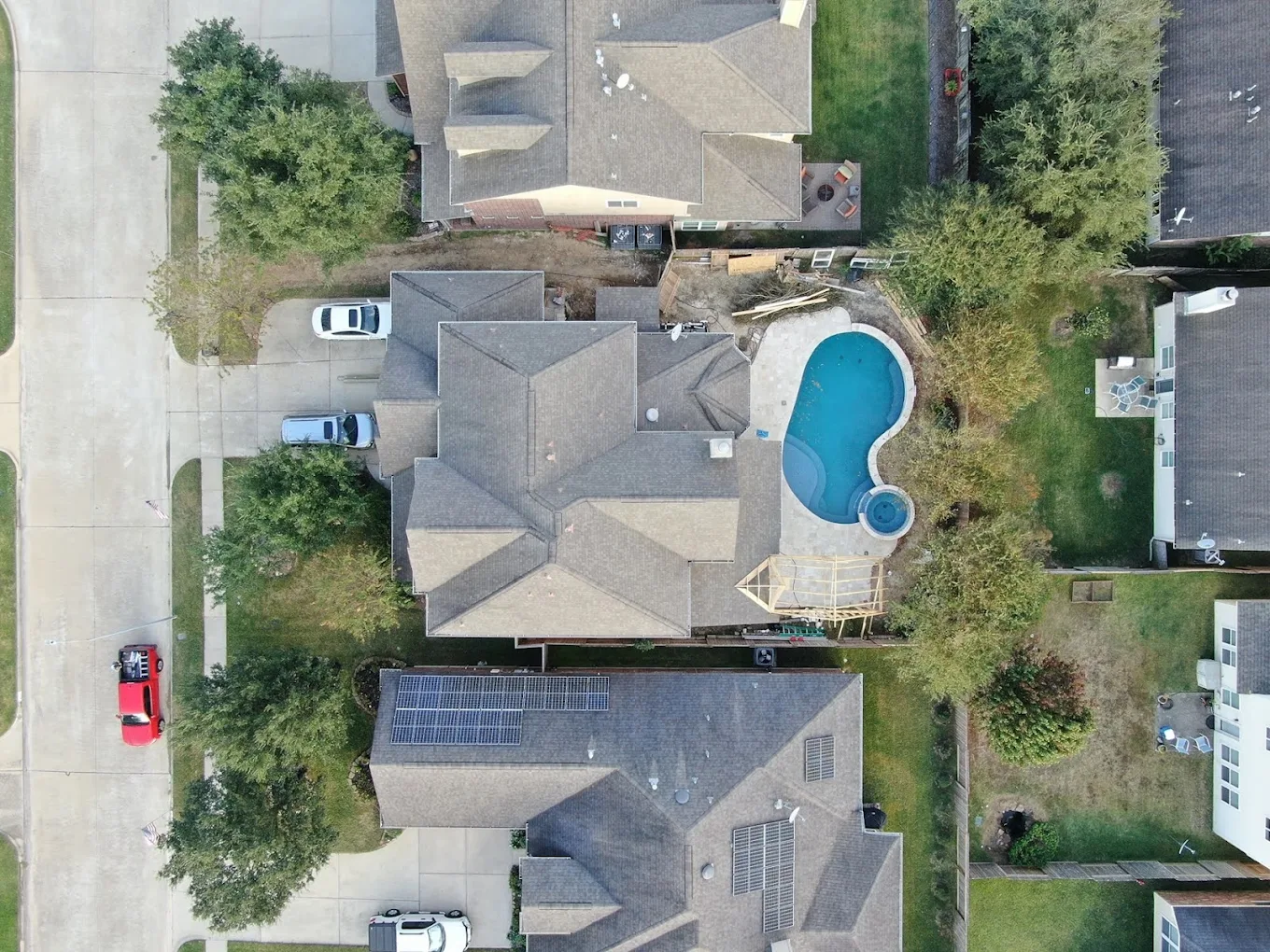
A professional roofer brings more than just a ladder to an inspection. Modern roofing experts use advanced tools to get a complete picture of your roof's condition. This can include high-resolution drones that capture detailed aerial images, identifying issues that are impossible to see from the ground. Some inspectors also use thermal cameras to detect temperature differences that may indicate moisture trapped beneath the surface. This technology allows a professional to assess the condition and longevity of your roofing materials, ensuring that small problems are caught before they become expensive headaches. It’s a thorough, fact-based approach to roof maintenance.
Some of the most serious wind damage isn't visible to the untrained eye. High winds can lift shingles and break their sealant, only for them to lay back down looking perfectly fine. However, that broken seal is now an entry point for water. A professional knows how to spot these subtle signs of damage, along with micro-fractures in shingles or loose flashing around chimneys and vents. If this kind of hidden damage goes undetected for too long, it can lead to slow leaks, rot, and mold, and may even void your warranty coverage. An expert inspection uncovers these risks before they escalate.
If you need to file an insurance claim, a professional inspection report is your most valuable tool. It’s much more than a few photos from your phone. A detailed report includes annotated images, precise measurements, and a clear assessment of the damage, all backed by an expert’s credentials. This documentation provides the insurance adjuster with the clear, credible evidence they need to process your claim efficiently. A thorough report helps justify the need for repairs or replacement, ensuring you receive a fair settlement. It simplifies the entire insurance claims process and removes the stress of having to prove the damage yourself.
The goal of a professional inspection isn't to sell you a new roof; it's to give you an honest assessment and a clear path forward. Based on the findings, a reputable roofer will provide an accurate repair plan that outlines exactly what needs to be fixed and why. This allows you to understand the scope of the work and prioritize repairs based on urgency and budget. A trustworthy inspection gives you actionable insights with zero pressure. It ensures your home stays protected by addressing the right problems with the right solutions, empowering you to make an informed decision that protects your investment.
After a storm, dealing with insurance claims and repairs can feel like a full-time job. The key is to be methodical and informed. By following a clear process, you can ensure your claim is handled fairly and your roof is repaired correctly, protecting your home’s value for the long term. This involves understanding your coverage, working with the right professionals, and acting promptly to prevent small problems from becoming major headaches.
Before you even call your insurance agent, take a moment to review your homeowner's policy. Many homeowners assume their policy covers all types of storm damage, but the details matter. Your policy will specify what types of damage are covered, your deductible amount, and any specific requirements for filing a claim. Understanding these specifics helps you set realistic expectations and communicate more effectively with your insurer. Some policies have separate deductibles for wind or hurricane damage, so it's crucial to know your coverage before you start the claims process. This knowledge empowers you to make informed decisions from the very beginning.
Your insurance company will send an adjuster to assess the damage, but their goal is to evaluate the claim for the insurer. Having a trusted roofing professional on your side during this inspection is invaluable. An expert can work with your insurance adjuster to point out legitimate storm damage that might otherwise be missed, ensuring you receive a fair and complete assessment. A roofer with experience in storm damage can speak the same language as the adjuster, providing clear evidence and documentation to support your claim. This collaboration helps bridge the gap between what the adjuster sees and the full scope of work needed to restore your roof.
A quality roof inspection is the foundation for a quality estimate. Vague or incomplete estimates can lead to surprise costs and disputes down the road. Insist on a detailed, itemized estimate from any contractor you consider. This document should clearly list the scope of work, materials to be used, labor costs, and a projected timeline. A transparent estimate from a reputable contractor ensures all necessary repairs are accounted for, from replacing shingles to fixing underlying structural issues. This level of detail not only helps with your insurance claim but also gives you a clear understanding of exactly what you are paying for.
When choosing a roofing contractor, look for a partner who prioritizes a thorough, evidence-based approach. A true professional won't just give your roof a quick glance from the driveway. They will provide a detailed inspection to give you a complete picture of your roof's condition, based on data, not assumptions. This is about getting clarity so you can make decisions with confidence. A qualified contractor uses modern tools to find issues that are invisible from the ground, catching small problems before they turn into major, costly repairs. This fact-based process is essential for protecting your home and ensuring you only pay for the work that’s truly needed.
A trusted roofer does more than just fix your roof; they play a critical role in the insurance claims process. Having an expert present when the insurance adjuster visits can make a significant difference. Your roofer can point out legitimate storm damage that isn't immediately obvious, ensuring the assessment is complete and fair. Furthermore, their professional inspection report serves as essential documentation for your claim. This report should include detailed, annotated images and precise measurements, providing the credible evidence your insurance company needs to process your claim efficiently. This level of documentation simplifies the process and helps justify the necessary repairs, making sure you get a fair settlement.
While it’s tempting to wait and see if a small leak gets worse, delaying roof repairs is a significant risk. Wind damage can create openings that allow water to seep into your attic and walls, leading to wood rot, mold growth, and compromised insulation. What starts as a minor issue can quickly escalate into extensive and costly secondary damage. You should address wind-related roof damage immediately to prevent further problems and protect the structural integrity of your home. Making prompt, professional repairs is the most effective way to contain the damage and keep repair costs from spiraling.
My roof looks fine from the ground. Do I still need an inspection after a storm? That’s a great question. Even if your roof appears undamaged, a professional inspection is still a wise step. High winds can lift shingles and break their adhesive seals, only for them to lay back down looking normal. This hidden damage creates an entry point for water that you might not discover until a leak appears inside your home. A professional uses specific methods to check for these subtle issues that are impossible to spot from a distance.
How can I tell the difference between normal roof aging and actual storm damage? Differentiating between age and storm damage can be tricky, but there are key clues. Normal aging usually appears as gradual, uniform wear across the entire roof surface. Storm damage, in contrast, is often more sudden and inconsistent. You might see distinct patches of missing granules, creased shingles on one side of the house, or dents on metal vents that were not there before the storm. An expert can analyze these patterns to give you a definitive answer.
Will my insurance premium go up if I file a claim for wind damage? Homeowners often worry about this, and it's a valid concern. Generally, claims filed for storm damage, which is considered an act of nature, do not affect your individual premium in the same way a claim for negligence might. Insurance companies typically set rates based on the overall risk in an entire area. Filing a legitimate claim to repair storm damage is exactly what your policy is for, and it is a necessary step to protect your home's value.
What should I look for in a roofing contractor's estimate? A trustworthy estimate should be clear and detailed, leaving no room for confusion. Look for an itemized list that breaks down the costs for materials, labor, and any necessary permits. It should specify the exact type and brand of shingles, underlayment, and flashing being used. The document should also outline the full scope of work, from tear-off to cleanup, and provide a clear payment schedule. Vague, one-line estimates are often a red flag.
How long can I wait to fix minor wind damage? It is best to address any roof damage, no matter how minor it seems, as soon as possible. A single lifted shingle can allow water to seep into the roof deck, leading to wood rot, mold, and damaged insulation over time. What starts as a simple repair can become a much larger and more expensive project if left alone. Prompt action is the most effective way to protect your home and prevent small issues from escalating.
Roofing Resources