Home
Home
Services
Services

Resources
Resources
Storm Restoration
Storm Restoration
Roof Systems
Roof Systems
Locations
Locations
Learn how to spot storm damage roof issues, handle insurance claims, and choose the right contractor for safe, effective residential roof repair.
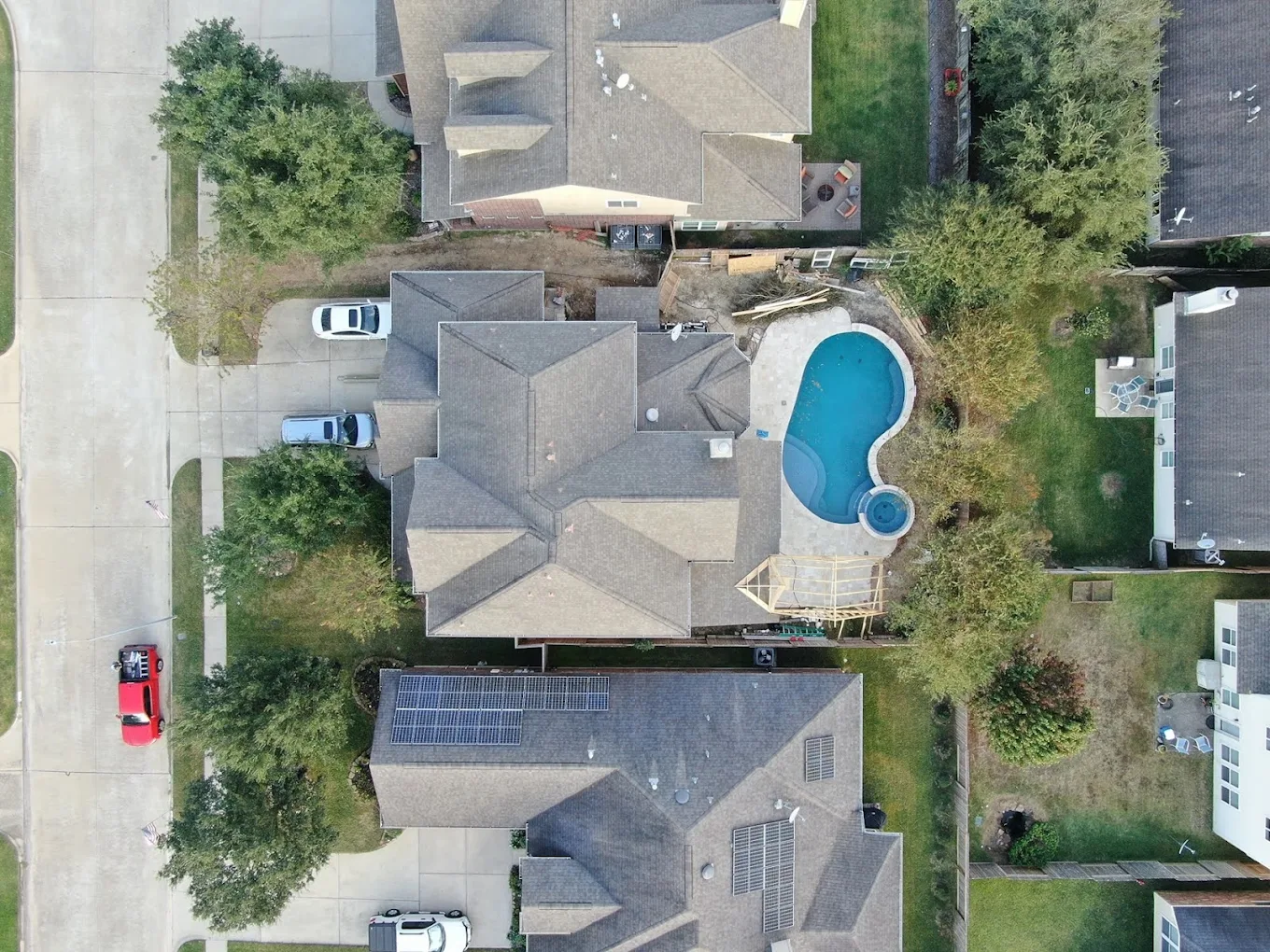
After a hailstorm, your roof might look perfectly fine from the ground. Thinking you're in the clear is a critical mistake. While missing shingles are an obvious red flag, it's the subtle, bruising impacts from hail that cause slow leaks and shorten your roof's lifespan. This hidden damage often goes unnoticed until it creates major problems inside your home. Before you assume everything is okay, you need to understand what a true storm damage roof looks like. We'll show you the signs you can see and, more importantly, the ones you can’t.
After a severe storm passes, it’s natural to wonder if your roof is okay. While some damage is obvious from the ground, other types are much harder to spot. Understanding what to look for can help you identify potential issues before they turn into major problems. Different types of storms leave behind different clues, from the subtle bruising left by hail to the clear gaps left by high winds. Knowing these signs is the first step in protecting your home.
High winds can lift, bend, or tear shingles completely off your roof, leaving the underlayment exposed to the elements. From the ground, you might see shingles that are missing, crooked, or flapping. Even if a shingle is still in place, a broken seal means it’s no longer watertight and is vulnerable to being torn off in the next storm. Pay close attention to the edges and ridges of your roof, as these areas are often the first to show signs of wind damage. A single missing shingle can be the entry point for significant water damage, so it’s important to address this quickly.
Hail damage can be deceptive because it doesn't always cause an immediate leak. On asphalt shingles, it often looks like dark, bruised spots where the protective granules have been knocked away. These granules are essential for shielding the shingle from UV rays, and their loss can cause the roof to age prematurely. After a hailstorm, check your gutters and downspouts for an accumulation of these tiny black granules, which look like coarse sand. You may also notice dents on your metal flashing, vents, or gutters. This type of hail impact weakens your roof's overall integrity.
The material on your roof determines how it responds to storm forces. While all roofs are designed to be tough, wind, hail, and debris affect asphalt, metal, and tile in different ways. Knowing the specific signs of distress for your roof type helps you understand the extent of the damage and what kind of repairs might be necessary. A cracked tile presents a different challenge than a dented metal panel, and recognizing these distinctions is key to a proper assessment.
Tile roofs are incredibly durable, but they are not immune to impact damage from hail or flying debris. When inspecting a clay, concrete, or slate roof, look for tiles that are clearly cracked, chipped, or have broken corners. A single broken tile can disrupt the interlocking system that keeps your roof watertight, allowing water to seep into the underlayment. Because these materials are rigid, damage often appears as sharp fractures rather than dents. It’s also important to look for "chatter" marks—subtle surface cracks from hail impacts that can be difficult to see from the ground but can compromise the tile’s integrity over time.
Metal roofs are known for their resilience, but they are particularly vulnerable to cosmetic and functional damage from hail. After a storm, the most obvious signs are dents and dings on the surface of the panels. While some dents are just cosmetic, a significant impact can damage the protective coating on the metal. Once that finish is compromised, the exposed metal is susceptible to rust and corrosion, which can lead to leaks down the road. Also, check for any signs of sealant failure around screws and fasteners or panels that appear lifted or bent, as high winds can weaken these critical connection points and create an entry for water.
Wood shingles or shakes can suffer significant damage from both hail and wind. Hail often leaves behind bruises or circular cracks on the wood's surface, which can weaken the shingle and make it more likely to absorb moisture, leading to rot. High winds can cause the shingles to split, crack, or lift, especially if the wood is older and has become brittle. After a storm, look for missing pieces of shingle on the ground around your home. Any splits or deep cracks are immediate concerns, as they create a direct path for water to penetrate the roof deck and enter your attic, making prompt attention essential.
The most stressful sign of roof damage is often discovered inside your home. A new water stain on the ceiling, peeling paint near a wall, or a musty smell in your attic are all red flags that water has found a way in. Leaks don't always appear directly below the point of damage, as water can travel along rafters and insulation before it becomes visible. These interior signs are a clear signal that your roof’s defenses have been compromised by missing shingles, hail impacts, or damaged flashing. Addressing the source of the water intrusion is critical to preventing mold growth and structural issues.
The most severe and immediate threat to your home comes from falling debris, like tree limbs or entire trees. This type of impact can cause obvious structural damage, such as a visible hole in the roof, a sagging roofline, or cracked rafters in your attic. It can also create secondary hazards, including downed power lines or damaged gas lines on or near your property. If you see any signs of major structural impact, your first priority is safety. Do not go on the roof or into the attic to inspect it yourself. It’s best to call a professional immediately to assess the situation safely and secure the property from further harm.
After a severe storm passes, your first instinct might be to climb a ladder and check the roof yourself. Please don’t. A wet, unstable roof is incredibly dangerous, and it’s nearly impossible to spot subtle damage without a trained eye. The safest and most effective way to assess the situation is by starting on the ground and working your way inward. This approach helps you gather initial information without putting yourself at risk, giving you a clear idea of whether it’s time to call for a professional, data-driven inspection.
Your initial inspection can be done safely from your yard. Walk the perimeter of your home and look for obvious signs of trouble like bent, cracked, or missing shingles. A pair of binoculars can help you get a closer look from the ground. Also, scan for any holes or punctures from falling debris. Remember to check your gutters and downspouts. If you see a large amount of small, sand-like shingle granules, it often means the storm has worn away your shingles’ protective layer.
Storm damage isn’t always confined to the roof. Inside your home, pay close attention to ceilings and walls for new water stains, discoloration, or bubbling paint, which are classic signs of a leak. If it’s safe, check your attic for damp insulation or visible drips from the roof deck. Be sure to document the damage with clear photos as you go; this evidence is essential for an insurance claim. Also, check your siding, windows, and fences for any related damage from the storm.
If your ground-level check reveals missing shingles, leaks, or other concerning signs, it’s time to call a professional. Many homeowners call their insurance company first, but contacting a reputable roofing contractor can streamline the process. A trusted expert can perform a thorough, technology-assisted inspection to identify all damage, even issues invisible to an untrained eye. This provides you with a clear, data-backed report on your roof’s condition and gives you the accurate documentation needed to work effectively with your insurance adjuster.
Once the storm has passed, the aftermath can feel overwhelming. Knowing where to start is key to managing the situation effectively. Before you even think about repairs, there are three immediate steps every homeowner should take to ensure safety, prevent further issues, and prepare for the insurance process. Taking a calm, methodical approach now will make the entire recovery journey much smoother.
Your family's safety is the top priority. After a severe storm, your property can be littered with hidden dangers. Be cautious of fallen power lines, which can still be live, and report them immediately to your utility company. Watch your step for scattered debris like broken glass, loose nails, and sharp metal fragments. If you smell gas or suspect a leak, leave the area and call 911 from a safe distance. It’s also wise to avoid standing water, as it can hide hazards or be electrically charged. Keep children and pets indoors until you've had a chance to assess the immediate surroundings and are confident the area is secure.
Once you've confirmed it's safe, your next step is to prevent the existing damage from getting worse. This is often called "mitigating damages," and most insurance policies require you to take reasonable steps to do so. If you have an active roof leak, a professional roofer can perform an emergency tarping service to cover the exposed area and keep water out. Inside, move furniture, electronics, and other valuables away from leaks. Use buckets to catch dripping water. Taking these temporary measures protects your home and shows your insurance company that you're being proactive in minimizing the loss.
Thorough documentation is your best tool for a smooth insurance claim. Before you move anything or make temporary repairs, take photos and videos of all the damage. Capture wide shots of your roof and property, then get close-ups of specific issues like missing shingles, dented gutters, or interior water stains. Create a detailed list of all damaged items. It's also critical to keep a file of all your expenses. Save every receipt for temporary repairs, supplies, or any other costs you incur while securing your home. This evidence will be essential when you file your insurance claim and helps ensure you receive fair compensation.
Dealing with insurance can feel like a job in itself, but a structured approach makes it much more manageable. Your goal is to provide clear, factual information that justifies your claim and ensures you get the coverage you’re entitled to. Think of it as building a case for your home, backed by solid evidence. Here’s how to handle the insurance claim process with confidence, from the first phone call to the final approval.
The most important first step is to contact your insurance provider as soon as it’s safe to do so. Most policies have specific time limits for filing a claim after a storm, and waiting too long is one of the most common and costly mistakes homeowners make. When you call, have your policy number handy and be prepared to give a clear, concise description of the damage you can see from the ground. The agent will assign you a claim number and outline the next steps. Keep this claim number accessible, as you’ll need it for all future communications.
Thorough evidence is your best asset during a claim. Before any work begins, you need to document the storm damage with photos and videos. From a safe position on the ground, capture images of missing shingles, dented gutters, and any other visible issues. Inside your home, photograph any water stains on ceilings or walls. It’s also wise to keep a detailed log of every conversation with your insurance company, including the date, time, and who you spoke with. If you make temporary repairs, like placing a tarp, save all your receipts, as these costs are often reimbursable.
Insurance payouts for roof damage aren't always straightforward. Your policy is a contract with specific terms that dictate how much the insurance company will pay, and it often depends on your roof's age and the type of coverage you have. Understanding these key factors before you file can help you set realistic expectations. The two main types of coverage are Replacement Cost Value (RCV) and Actual Cash Value (ACV), and the difference between them can mean thousands of dollars out of your pocket.
Most insurance policies start with the roof's Actual Cash Value (ACV), which is the cost to replace it minus depreciation for its age and wear. If your roof is older, the ACV payout can be surprisingly low. For example, a 19-year-old roof might only have a few years of life left, so the insurance company will significantly reduce its value before even subtracting your deductible. In contrast, a Replacement Cost Value (RCV) policy first pays the ACV, and then, once you've replaced the roof and sent the invoice, it pays the remaining amount. RCV coverage costs more, but it ensures you can replace your old roof with a new one without a huge financial hit.
Your home insurance policy is the ultimate guide to what is and isn't covered. It will specify that damage must be from a "covered peril," like a windstorm or hail, not from general wear and tear. Before your insurance company pays anything, you will be responsible for paying your deductible. This is the amount you agreed to pay out-of-pocket on any claim. For example, if your roof repair costs $10,000 and your deductible is $2,000, your insurer would pay up to $8,000. It's critical to review your policy documents to know your exact deductible amount and the specific perils your policy covers.
Many homeowners in storm-prone areas are surprised to learn they have a separate, higher deductible specifically for wind and hail damage. Unlike a standard flat-dollar deductible (e.g., $1,000), a wind/hail deductible is often a percentage of your home's total insured value, typically between 1% and 5%. If your home is insured for $400,000, a 2% deductible means you’d have to pay the first $8,000 of a storm damage claim yourself. This can be a major unexpected expense, so it's essential to check your policy's declarations page to see if you have a percentage-based deductible for these specific events.
While homeowners insurance is designed to protect you from sudden and accidental events, it doesn't cover everything. The line between what is considered storm damage versus what is considered a maintenance issue can be blurry, and it’s often where claims get complicated. Knowing the common exclusions and specific coverages in your policy can help you understand what to expect. This knowledge is crucial for ensuring you present a clear and valid claim to your insurance provider.
Your insurance policy is designed to cover damage from specific events, not to pay for a roof that's simply old. The most common exclusion is damage resulting from wear and tear, neglect, or lack of maintenance. If your roof has been slowly deteriorating for years and finally starts leaking, your claim will likely be denied. Insurance is for sudden and accidental damage, like a tree branch falling during a storm. This is why a professional inspection that can differentiate between old issues and new storm damage is so important for a successful claim.
If a covered event like a hailstorm damages your roof and causes a leak, your policy will typically cover more than just the shingles. Most standard policies include coverage for the resulting interior damage, such as water-stained ceilings, damaged drywall, and ruined flooring. Furthermore, if the storm damage is so severe that your home becomes uninhabitable, your policy may include "loss of use" coverage. This helps pay for additional living expenses, like hotel bills and restaurant meals, while your home is being repaired. Be sure to keep all receipts for these expenses to submit for reimbursement.
Building codes change over time. If your roof is older, it may not meet the current standards. Many local building codes have a "25% Rule," which states that if more than 25% of a roof is damaged, the entire roof must be replaced to meet the current code. This prevents a patchwork of old and new materials. The question is, who pays for this? Some insurance policies include "Ordinance or Law" coverage, which helps pay for these mandatory, code-required upgrades. However, many basic policies do not. A professional inspection can determine the exact percentage of damage, which is critical information for invoking this clause if you have it.
Your insurance company will send an adjuster to inspect the damage and estimate the cost of repairs. It’s a good idea to be home for this appointment so you can point out all the areas of concern. An even better strategy is to have a professional roofing contractor perform their own inspection beforehand. A detailed report from a trusted roofer provides a data-driven second opinion, ensuring that subtle or complex damage isn’t overlooked. This gives you a clear, factual basis for discussing the scope of work with the adjuster and helps ensure their assessment is fair and complete.
When you speak with an insurance adjuster, remember that their job is to protect their company's financial interests. Everything you say becomes part of your official claim record. For this reason, it’s best to stick to the facts you have documented. Avoid speculating about the extent of the damage with phrases like, "It's probably just a small leak" or "I guess the roof was getting old anyway." These types of comments can be used to minimize your claim. Instead, simply point out the damage you’ve observed and let the physical evidence and your contractor’s report do the talking. A clear, factual approach ensures you don't unintentionally jeopardize your claim.
It can be tempting to accept the first settlement offer from your insurance company just to get the process over with. However, this initial offer is often just a starting point and may not cover the full cost of a quality repair. The adjuster's initial estimate might overlook subtle damage, fail to account for local material and labor costs, or exclude necessary code upgrades. You have the right to get a second opinion and negotiate for a settlement that accurately reflects the scope of work required. Accepting the first offer too quickly could leave you paying out-of-pocket for unforeseen expenses down the line.
Arranging for your roofing contractor to be present during the adjuster's inspection is one of the most effective steps you can take. Your contractor acts as your advocate, speaking the same technical language as the adjuster and pointing out specific damage that might otherwise be missed. At AI Roofing, our process is built on this principle. We provide a comprehensive, data-driven report before the adjuster arrives, creating a factual baseline for the conversation. This ensures the discussion is focused on the complete scope of damage, not just the most obvious issues, and helps align both parties on a fair and accurate path to restoration from the very beginning.
Beyond waiting too long to file, a few other missteps can complicate your claim. One of the biggest is not fully understanding your insurance coverage before a storm hits. Take time to review your policy so you know what’s covered, what your deductible is, and if you have any specific limitations. Another mistake is accepting the first settlement offer without getting a professional repair estimate. An independent quote from a reputable roofer ensures the offer is sufficient to cover the full cost of quality repairs using the right materials.
After a storm, your priority is finding a reliable professional to restore your home. The contractor you choose will have a major impact on the quality of the repair, the smoothness of the insurance process, and your peace of mind. A great contractor brings expertise and transparency, while the wrong one can create more problems than the storm itself. Taking the time to vet your options carefully is one of the most important steps you can take. It ensures your home is repaired correctly and protects you from the stress of a poorly managed project.
Before you sign any contract, confirm the contractor has the right credentials. While Texas doesn't have a statewide roofing license, reputable companies will be registered with local authorities and, most importantly, carry substantial insurance. Ask for proof of both general liability insurance and worker's compensation. General liability protects your property from damage during the repair process, while worker's comp covers their crew in case of an injury on your property. Without it, you could be held liable. You can often verify a business's credentials and complaint history through state or local consumer protection agencies.
After a major weather event, it’s common for out-of-town contractors, often called "storm chasers," to flood the area. They often use high-pressure tactics, offer deals that sound too good to be true, and ask for large upfront payments. A major red flag is a contractor who is unwilling to provide a local address or references. Choosing a local contractor is almost always a safer bet. An established local company has a reputation to protect, understands regional building codes, and will be there to stand behind their warranty long after the work is done.
Your initial conversation with a potential contractor is your chance to gauge their professionalism and expertise. A trustworthy partner will be able to answer your questions clearly and without pressure. Come prepared with a list of questions to ask every company you consider.
Start with these:
Once you’ve chosen a contractor, the repair process should feel straightforward and transparent, not chaotic. A professional roofing company will guide you through each stage, ensuring you know what’s happening and why. From the initial, detailed assessment to the final cleanup, the focus should always be on clear communication and quality workmanship. This partnership is designed to restore your home and your peace of mind with as little disruption as possible. Here’s a breakdown of what a smooth, professional roof repair process looks like.
The first step is a comprehensive inspection to understand the full scope of storm damage. This isn't a quick glance from the street. A trustworthy contractor performs a thorough evaluation, often using technology like drones to safely capture high-resolution images of your entire roofing system. The goal is to gather objective data, not just an opinion. Afterward, you should receive a detailed written report outlining the findings and a precise, itemized estimate. This document empowers you to make an informed decision based on facts, showing you exactly what needs repair and what it will cost to fix your roof.
With a clear repair plan, the next step is selecting materials and setting a schedule. Your contractor should walk you through the best shingle options for your home, explaining differences in durability, warranty, and appearance. This is your opportunity to ask questions about impact-resistant materials that can better withstand future storms. Once materials are chosen, a realistic timeline will be set. This schedule should account for material delivery, crew availability, and potential weather delays. A well-organized project manager will keep things moving efficiently, ensuring every phase is completed correctly.
You should never feel left in the dark during your roof repair. A professional contractor provides consistent, clear communication from start to finish. This often includes a dedicated project manager who serves as your single point of contact. You can expect regular updates on key milestones, like when materials will arrive, when the crew will begin, and how the project is progressing. This open line of communication is especially important when coordinating with your insurance company, as your contractor can provide the necessary documentation to support your claim and simplify the process for you.
After a storm, one of the first questions on any homeowner's mind is, "How much will this cost to fix?" The answer isn't always straightforward, but understanding the variables can help you feel more in control. The final price depends on a mix of factors, from the type of damage to your insurance coverage. Here’s a clear breakdown of what to expect financially as you begin the repair process.
The cost to repair your roof can vary widely because every roof and storm is different. Key factors include the extent of the damage; replacing a few shingles is far less expensive than repairing structural issues from a fallen tree. The materials on your roof also play a big role. Common asphalt shingles are generally more affordable to repair than specialty materials like slate or metal. Finally, your roof’s complexity, such as its steepness and features like chimneys or skylights, affects the labor required. A professional inspection gives you a detailed estimate of the cost to repair roof leak issues and other storm-related problems.
Deciding whether to file an insurance claim or pay directly is a major financial decision. For widespread damage, filing a claim is often the best way to ensure your entire roofing system is properly restored. Most homeowners insurance policies cover storm damage, requiring you to pay only your deductible while the insurer covers the remaining approved costs. If the repair estimate is close to or less than your deductible, paying out-of-pocket might be a better choice. An accurate, data-driven assessment is essential to make this call confidently, ensuring you don’t overlook hidden damage that could lead to bigger problems later.
Even with a solid insurance settlement, you might face expenses from a high deductible or costs for upgrades not covered by your policy. If a full roof replacement is needed, the investment can be substantial. To make these costs more manageable, many established roofing contractors offer financing options. These plans allow you to pay for the project over time through manageable monthly payments. When discussing your project with a contractor, ask about their financing partners and the terms they offer. This can be a practical solution for protecting your home without draining your savings, allowing you to complete necessary work right away.
After a storm, misinformation can spread almost as fast as the news of the weather itself. Believing common myths about roof repair can lead to expensive mistakes, delayed claims, and unnecessary stress. Let's clear up a few of the most persistent misconceptions so you can make decisions based on facts, not fear. Understanding the truth helps you protect your home and your finances without falling for high-pressure sales tactics or making assumptions that could cost you later.
Many homeowners hesitate to file a claim because they believe their insurance rates will automatically increase. However, damage from events like hail or wind is typically considered an "Act of God," meaning it was caused by natural forces beyond your control. As a result, filing a claim for storm damage generally does not affect your individual premium. The greater financial risk often comes from not filing a claim and paying for significant repairs out of pocket. Your policy is there to protect your investment, and using it for legitimate damage is exactly what you pay for.
It’s tempting to think that if you don’t see missing shingles from your yard, your roof is fine. This is one of the most dangerous assumptions a homeowner can make. Hail can bruise shingles and cause subtle granule loss that isn't visible from the ground, which accelerates aging and leads to future leaks. Attempting a DIY patch job can often make things worse or even void your roof’s warranty. A professional inspection is designed to find hidden damage before it becomes a major interior problem, giving you a true picture of your roof's condition.
Another common mistake is waiting too long to act. Most insurance policies have strict deadlines for filing a claim after a storm, so prompt action is critical. The repair process isn't immediate; it involves a thorough assessment, claim approval, material ordering, and scheduling. It's also important to understand your policy details. Knowing your deductible and what your homeowners insurance covers helps you set realistic expectations for out-of-pocket costs. A trustworthy contractor will walk you through the timeline and explain all costs clearly before any work begins.
While you can’t stop a storm from coming, you can take proactive steps to strengthen your roof’s defenses and minimize potential damage. Protecting your home starts long before the weather forecast turns grim. By focusing on consistent upkeep, choosing the right materials, and preparing for severe weather, you can give your roof the best chance of weathering whatever comes its way. These strategies not only protect your investment but also provide valuable peace of mind.
Think of your roof like any other critical system in your home; it requires regular check-ups to perform its best. Small issues, like a few loose shingles or clogged gutters, can quickly turn into major vulnerabilities during a high-wind event or heavy downpour. Scheduling routine maintenance helps you catch these minor problems before they lead to expensive, widespread damage. A clean and well-maintained roof is simply better equipped to handle stress from the elements.
Getting a professional inspection at least once a year ensures your roof stays in top condition. An expert can spot subtle signs of wear and tear that are invisible from the ground, giving you a clear, data-driven picture of your roof’s health. This allows you to make informed decisions based on facts, not guesswork, and address potential weak points before the next storm hits.
Seeing dark streaks or moss on your roof might tempt you to grab a pressure washer, but this is one of the worst things you can do. High-pressure water blasts away the protective granules on your shingles, drastically shortening your roof's lifespan. A wet, unstable roof is also incredibly dangerous, and it’s nearly impossible to spot subtle damage without a trained eye. Attempting a DIY cleaning or patch job can often make things worse or even void your roof’s warranty. A professional inspection is designed to find hidden damage before it becomes a major interior problem, giving you a true picture of your roof's condition while addressing cosmetic issues safely.
While significant snow and ice are rare in Houston, unusual weather events can happen. When they do, they can lead to ice dams. An ice dam is a ridge of ice that forms at the edge of a roof, preventing melting snow from draining off. The water backs up behind the dam and can leak into your home. To prevent this, keep your gutters clear before winter weather arrives. If snow does accumulate, you can use a roof rake to remove it from the eaves. For persistent issues in colder climates, heat cables can be installed to keep the roof edge warm and prevent ice from forming.
Trees add beauty and shade to your property, but they can pose a significant risk to your roof if not properly maintained. Overhanging branches can scrape against shingles during high winds, wearing away their protective surface. Worse, a heavy limb can fall during a storm, causing severe structural damage. It's essential to trim tree branches that hang over your roof. Additionally, falling leaves and pine needles can clog your gutters, leading to water backup that can rot your roof decking and fascia boards. Regular tree maintenance is a simple, proactive step that can prevent costly storm damage repairs.
When it’s time for a roof replacement, consider it an opportunity to invest in greater protection. Modern roofing technology offers materials specifically engineered to withstand severe weather. Impact-resistant shingles, often rated as Class 4, are designed to hold up against hail and high winds far better than standard architectural shingles. They provide a stronger first line of defense, reducing the likelihood of punctures, cracks, and tears during a storm.
Choosing these durable materials is a smart long-term investment in your home’s safety and value. In many cases, installing an impact-resistant roof can also lead to discounts on your homeowner's insurance premiums. Be sure to talk to your insurance agent to see if you qualify for savings after upgrading. It’s a practical way to strengthen your home while potentially lowering your annual costs.
As a storm approaches, a few simple preparations can make a significant difference. Start by cleaning your gutters and downspouts to ensure water can flow freely away from your home, preventing overflows and potential water damage. It’s also wise to trim any overhanging tree branches that could break and fall onto your roof. Finally, walk around your property and secure loose items like patio furniture, grills, and yard decorations that could become airborne in high winds.
After the storm passes, your safety is the top priority. Before inspecting any damage, be aware of potential hazards like fallen power lines or unstable debris. Once it’s safe, perform a visual check from the ground. Look for obviously bent, broken, or missing shingles. You can also check for an accumulation of shingle granules in your downspouts, which often indicates hail impact or significant wear.
Should I call a roofer or my insurance company first after a storm? While many homeowners call their insurance company first, we recommend starting with a trusted roofing contractor. A professional can perform a thorough inspection and provide you with a detailed, data-driven report on the full extent of the damage. This gives you clear documentation to submit with your claim and helps ensure nothing is overlooked when the insurance adjuster does their own assessment.
How can I tell if the damage is serious enough to file an insurance claim? It can be difficult to judge the severity of roof damage from the ground, as issues like hail bruising and lifted shingle seals are often invisible. A good rule of thumb is to get a professional inspection if you have any doubts. An expert can provide a precise repair estimate, which you can then compare to your insurance deductible. This allows you to make a clear financial decision based on facts, not guesswork.
Will filing a claim for storm damage cause my insurance rates to increase? This is a common concern, but damage from a natural event like a hailstorm or windstorm is typically considered an "Act of God." Because the damage was not due to your negligence, filing a claim should not directly cause your individual premium to go up. Your policy is a tool to protect your home, and using it for legitimate storm damage is what it's for.
What should I do if my insurance adjuster's estimate seems too low to cover the repairs? You are not required to accept the initial settlement offer. If the adjuster's estimate is lower than the quote from your contractor, it's often because something was missed or undervalued. A reputable contractor can provide a detailed, line-item estimate that justifies the full cost of a quality repair. This documentation serves as a powerful tool for negotiating a fair and complete settlement with your insurance provider.
How long does the entire roof repair and insurance process usually take? The timeline can vary depending on the severity of the damage, your insurance company's response time, and contractor availability. Generally, the process involves a few key stages: the initial inspection, filing and approval of the claim, material selection and ordering, and the repair work itself. A well-organized contractor will keep you informed at every step, but it's realistic to expect the full process to take several weeks from your first call to project completion.
Roofing Resources