
Home
Home
Services
Services

Resources
Resources
Storm Restoration
Storm Restoration
Roof Systems
Roof Systems
Locations
Locations
Get clarity on how your roof's age affects home insurance in Texas. Learn how roof age home insurance Texas can guide your next step.
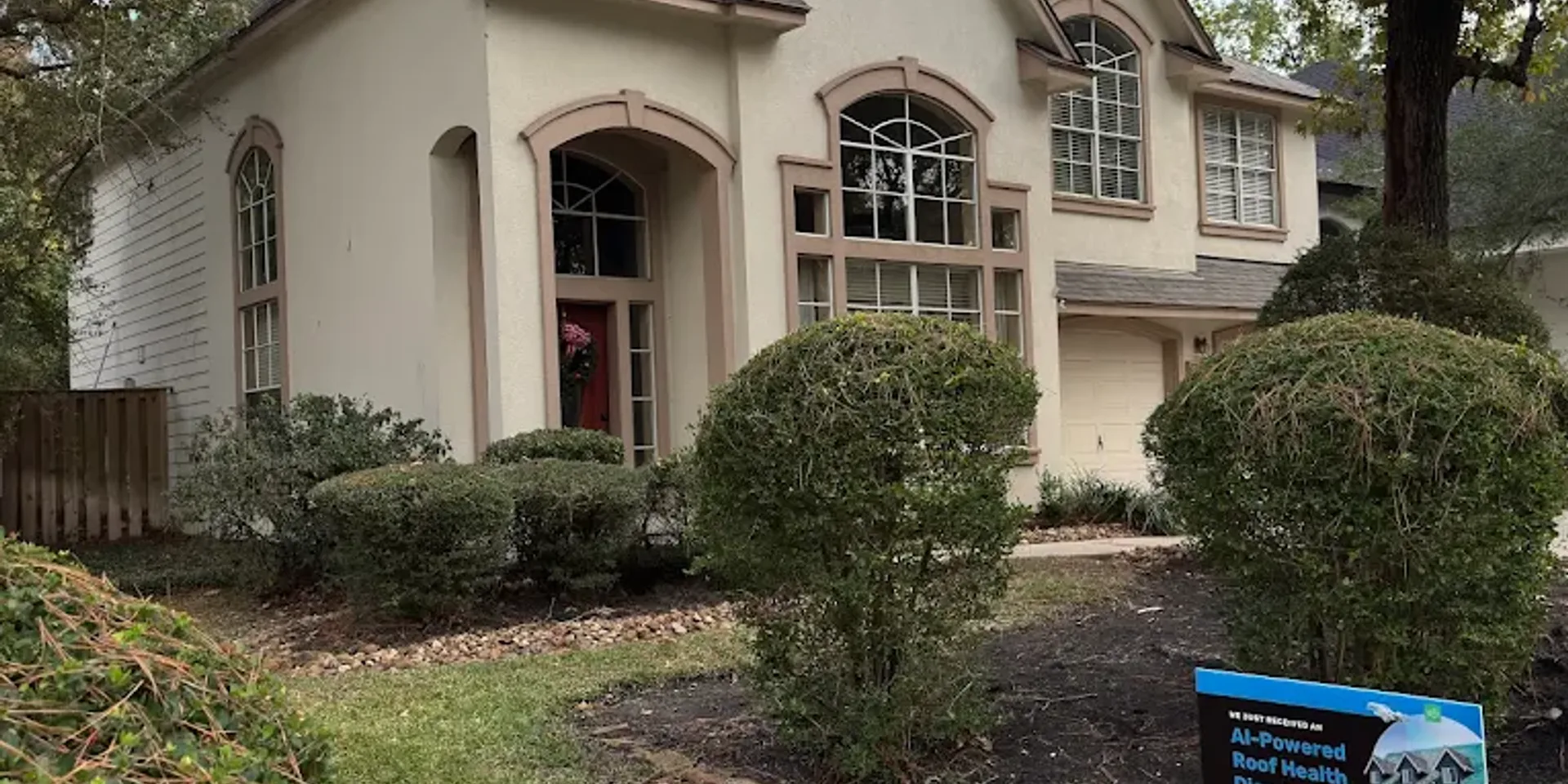
A roof can still look sound from the ground while its age changes how an insurer evaluates coverage, deductibles, and future out-of-pocket exposure. In Texas, carriers may inspect a roof when you apply, raise the premium, or decline coverage based on its condition. As the roof gets older, some policies may also shift from replacement cost to actual cash value, which accounts for depreciation.
Schedule your free AI-powered roof inspection today at 281-841-2504.
For roof age home insurance Texas decisions, the key issue is not age alone. Insurers also consider condition, documented damage, materials, and whether the policy provides replacement cost or actual cash value coverage.
Knowing what insurers review helps you prepare accurate documentation and ask better questions before renewal or a coverage change. Start by looking at how Texas insurers assess a roof's age alongside its present condition.
Texas insurers typically evaluate roof age alongside visible condition, maintenance history, and the type of roofing materials installed. Age is useful context, but it is not the only factor that determines how a carrier views a roof.
When you apply for homeowners insurance. The company may inspect the roof and use its findings to determine whether to offer coverage, adjust the premium, or request additional documentation. The inspection may look for visible deterioration, storm damage, missing or damaged shingles, and signs that the roof is no longer performing as expected. The Texas Department of Insurance explains that insurers may charge more or refuse coverage based on what they see during this process. Texas Department of Insurance guidance on roof replacement can help homeowners understand the distinction between age, condition, and covered damage.
An older or poorly maintained roof may lead an insurer to change the settlement basis from replacement cost to actual cash value. Or to decline coverage for the roof. Actual cash value accounts for depreciation, so the potential payment can decrease as the roof gets older. This does not mean every older roof receives the same treatment. A documented inspection that shows the roof is serviceable gives your agent clearer information than an unsupported estimate of its age.
Material type can also matter. Class 4 impact-resistant shingles tested under UL Standard 2218 may qualify a homeowner for a premium discount. And Texas insurers are required to offer discounts for qualifying impact-resistant roofing materials. Ask your agent what documentation is required, since the exact eligibility process can vary by carrier.
A practical approach is to keep an accurate installation date, retain repair and maintenance records, and request an objective condition assessment before renewal or a new application. That information helps you discuss coverage options calmly and compare what the policy actually provides, rather than relying on roof age alone.
Roof age can begin affecting home insurance in Texas around 10 years, but the roof's condition, documentation, and the insurer's underwriting rules matter as much as the calendar. These age ranges are useful planning guidelines, not automatic deadlines. Two roofs of the same age may receive different insurance decisions if one has been maintained and documented while the other shows storm damage, wear, or installation concerns.
A roof between zero and 10 years old generally qualifies for the best insurance rates and full replacement cost coverage from most carriers. That does not mean every claim is covered, or that an insurer will overlook damage. Policies still apply deductibles, exclusions, and covered-peril requirements. However, newer roofs typically give homeowners more choices when comparing policies.
Between 10 and 15 years, rates may rise, an insurer may request an inspection, and fewer carriers may offer their top pricing tier. At this point, a current inspection report and clear photo documentation can help explain the roof's actual condition. The goal is not to make an older roof appear new. It is to give the insurer objective information about what is working, what needs monitoring, and whether visible concerns are storm-related or ordinary wear.
Once a roof reaches roughly 15 to 20 years. Some Texas insurers may decline to write new coverage or change the roof from replacement cost to actual cash value coverage. The Texas Department of Insurance explains that insurers may switch coverage to actual cash value as a roof ages. And may refuse coverage when the roof is in poor condition. Review your own policy and renewal documents before assuming your coverage will respond the same way as it did when the roof was newer.
Roofs over 20 years old face the highest risk of nonrenewal when their condition has declined. Texas law allows carriers to nonrenew a policy for that reason, but age alone does not tell the whole story. Ask your agent what documentation is needed, confirm whether the roof is insured at replacement cost or actual cash value, and review renewal notices carefully. An early condition assessment can give you time to understand your options without turning a routine review into a rushed decision.
Insurance does not generally pay to replace a roof simply because it is old or worn out. Coverage usually depends on damage from a covered peril and the terms of the policy. Knowing your roof's age and condition helps you ask better questions before you need to file a claim.
Actual cash value (ACV) coverage reduces a roof claim by subtracting depreciation. While replacement cost value (RCV) is designed to cover the current cost of replacing the damaged roof, subject to the policy terms. That distinction matters as a roof gets older because the same covered loss can produce very different out-of-pocket costs. Some insurers may change an aging roof from replacement-cost coverage to ACV, or decline coverage if the roof is in poor condition. Confirm your own policy language with your agent before assuming how a claim would be handled.
| Coverage dimension | Actual Cash Value (ACV) | Replacement Cost Value (RCV) |
|---|---|---|
| How payouts are calculated | The claim payment reflects the roof's current value after depreciation is deducted from the covered loss. | The claim is generally based on the current cost to replace the damaged roof, subject to the deductible, limits, exclusions, and other policy conditions. |
| Depreciation | Depreciation directly reduces the payment. For example, the Texas Department of Insurance notes that a $10,000 replacement could produce a $0 ACV payment for a 20-year-old roof, depending on the policy's depreciation schedule. See the TDI ACV example. | Depreciation is not deducted from the final replacement-cost amount in the same way, but the homeowner must still follow the policy's claim and repair requirements. |
| Impact as the roof ages | The potential payment usually becomes smaller as the roof's age increases. That can leave a larger portion of a covered replacement cost for the homeowner to fund. | Coverage may offer more protection against current replacement costs, but an insurer can change an aging roof to ACV coverage or decline coverage based on condition. |
| Typical Texas usage | Some Texas carriers use ACV for older roofs or roofs whose condition does not meet their underwriting standards. It is not automatically the same for every insurer or policy. | Policies may provide RCV for eligible roofs, but the carrier may issue payment in two stages: an initial partial payment. Followed by the remaining amount after repairs have started. |
In practical terms, ACV and RCV are not simply two labels for the same benefit. ACV emphasizes the roof's depreciated value, while RCV is structured around restoring the roof with current materials and labor costs. Neither type guarantees approval for an old roof or payment for ordinary wear. Before renewal, ask whether your roof is insured on an ACV or RCV basis. How depreciation is calculated, and what documentation is required if you need to file a claim. A clear answer helps you plan without assuming what a carrier will pay.
Good records help you discuss an aging roof with your insurance agent using facts instead of assumptions. Documentation cannot guarantee coverage or payment, but it can clarify the roof's condition. The timing of damage, and the questions worth asking before you file a claim or renew a policy.
Gather invoices, inspection reports, permits, warranty documents, and prior real estate records if you have them. If the exact installation date is unknown, note the best available estimate and explain how it was determined. Your insurer may evaluate age alongside visible condition, maintenance history, and policy terms, so an approximate date should not be presented as a guarantee of eligibility.
Photograph roof surfaces, flashing, penetrations, drainage areas, gutters, and visible interior signs such as ceiling stains. Include wide views for context and close views for specific conditions. Dated photo documentation can support a clearer conversation about what was present before a storm and what may have changed afterward. Do not climb onto a roof if doing so is unsafe.
Insurance generally does not pay to replace a roof solely because it is old or worn out. Coverage is tied to damage from covered events and the policy's exclusions and conditions. For more context, review this guide to insurance coverage for roof issues.
Ask whether your wind and hail deductible differs from the standard deductible. Texas Department of Insurance advises homeowners to clarify this distinction because it can affect potential out-of-pocket costs. Also ask whether the roof is covered at replacement cost or actual cash value. Whether an inspection is required, and which documentation the carrier wants before you submit a claim.
A professional inspection can organize photographs, observed conditions, and recommended next steps into one record. AI Roofing provides free AI-powered inspections with photo documentation and delivers reports within 48 hours, giving homeowners a clearer factual resource for insurance discussions. The report supports the conversation; your insurer and policy determine coverage.
A professional roof inspection can protect your coverage by documenting the roof's actual condition before an insurance question becomes urgent. Insurers may inspect a roof when you apply for coverage, then raise the premium or refuse to insure the property based on what they find. A clear, dated inspection report gives you an objective record to review with your agent and helps separate normal aging from visible damage or deferred maintenance.
This is especially useful when you are evaluating how roof age home insurance Texas decisions may affect your household budget. An insurer may change terms as a roof ages, but the age alone does not explain every coverage decision. Condition, storm history, materials, repairs, and documentation can all matter. A professional inspection helps you discuss those details with facts rather than assumptions.
A useful inspection should identify the roof system, visible wear, drainage conditions, flashing, penetrations, and signs of wind or hail impact. It should also include clear photographs tied to specific areas of the roof. That documentation can help you understand whether a concern needs attention now, should be monitored, or appears to be functioning as expected. It cannot guarantee an insurer will approve a claim or maintain a particular policy, but it can make the conversation more precise.
The Texas Department of Insurance recommends hiring a roof inspector every few years to find issues early. Regular documentation also creates a baseline, so a later inspection can show what changed and when. If storm damage occurs, reviewing guidance on filing a roof insurance claim can help you organize the next steps without confusing maintenance with covered damage.
AI Roofing combines drone technology, experienced roofing professionals, photo documentation, and data-driven analysis in a free AI-powered roof inspection. The report is designed as a clarity and protection tool: it shows observable conditions. Supports informed conversations with your insurance agent, and helps you plan maintenance based on evidence. Reports are delivered within 48 hours, giving homeowners a timely record without pressure to authorize repair work. You can learn more or book your free AI-powered roof inspection when you want a documented view of your roof's condition.
It may, but coverage depends on the roof's condition, the insurer's underwriting rules, and whether the policy uses replacement cost or actual cash value. Texas insurers may switch older roofs to actual cash value or decline coverage when the roof is in poor condition. Review the decision with your agent before renewal.
Some insurers will cover a 15-year-old roof, while others may require an inspection, increase the premium, limit the policy to actual cash value, or decline new coverage. Age is only one factor. The roof's remaining serviceability, maintenance history, documented damage, and local underwriting rules also matter.
There is no universal dollar amount. Actual cash value subtracts depreciation from the cost of the covered repair or replacement, so the payment can be substantially lower than the project cost. In a Texas Department of Insurance example, a $10,000 replacement for a 20-year-old roof received a $0 ACV payment, illustrating why policy language matters.
Roof age can affect premiums, coverage terms, and the amount you may need to pay yourself, but it does not automatically set your deductible. Ask your agent whether wind and hail have a separate deductible from other covered damage. Confirm both amounts and whether your roof is insured at replacement cost or actual cash value.
A clear inspection can help you understand your roof's current condition, organize useful documentation, and approach insurance conversations with better information. AI Roofing provides an education-first assessment focused on objective findings and practical next steps. Book a free AI-powered roof inspection at airoofingtech.com or call 281-841-2504.
Roofing Resources


