
Home
Home
Services
Services

Resources
Resources
Storm Restoration
Storm Restoration
Roof Systems
Roof Systems
Locations
Locations
Schedule a free AI-powered roof inspection and learn how energy efficient roofing Houston materials reduce cooling costs with cool roofs and solar reflectance.

Houston roofs spend much of the year absorbing intense sunlight, and that heat can increase the load on your air conditioner before it ever reaches your living space. The right roofing system can help manage that heat through reflective surfaces, suitable materials, and a roof assembly evaluated as a whole.
Schedule your free AI-powered roof inspection today at 281-841-2504.
Energy efficient roofing Houston uses materials and roof designs that reflect more solar energy and release absorbed heat, helping reduce roof temperatures and cooling demand. The U.S. Department of Energy explains that a reflective roof can remain more than 50 degrees Fahrenheit cooler than a conventional dark roof on a sunny summer afternoon: energy.gov.
That performance depends on more than choosing a light-colored shingle. Solar reflectance, thermal emittance, insulation, ventilation, roof condition, and the home's existing cooling system all influence the result. Understanding how these factors work together makes it easier to compare cool-roof options and decide which improvements fit your Houston home.
An energy efficient roof in Houston reflects more of the sun's heat, releases absorbed heat effectively, and helps reduce the amount of heat transferred into the home. The goal is not simply to choose a light-colored roof. It is to evaluate how the roof surface responds to intense sunlight and how the complete roofing assembly manages heat during long, hot summers.
Solar reflectance is the fraction of solar energy reflected by the roof surface. A roof with higher reflectance absorbs less solar energy, which can keep the roof covering and the space below it cooler. The U.S. Department of Energy explains that a cool roof is designed to reflect more sunlight than a conventional roof, absorbing less solar energy. On a sunny summer afternoon, a reflective roof can stay more than 50 degrees Fahrenheit cooler than a conventional dark-colored roof under the same conditions.
That distinction matters in Houston, where the roof may receive direct sun for hours before the air-conditioning system has a chance to remove the resulting indoor heat. Reflective materials and coatings can reduce the heat load reaching the attic. Although the actual result depends on the roof design, insulation, ventilation, shade, and condition of the existing system.
Reflectance is only one part of the performance equation. Thermal emittance describes a roof's ability to shed absorbed heat by giving off thermal infrared radiation. A roof with high thermal emittance can release more of the heat it absorbs instead of holding that heat at the surface. In practical terms, a material that both reflects sunlight and emits heat can perform more effectively than one that relies on color alone. ENERGY STAR explains that cool roofs achieve their performance through this combination of high solar reflectance and high thermal emittance.
The Solar Reflectance Index, or SRI, combines solar reflectance and thermal emittance into a comparative measure of a material's ability to reject solar heat. The commonly used scale runs from 0 to 100, with higher values generally indicating better solar heat rejection. SRI should be reviewed alongside the roof's slope, material, color, insulation, and installation details. It is a useful specification, not a guarantee of a specific utility-bill reduction.
There are cool roofing options for nearly every major roof covering type, including products designed for residential applications. If you are evaluating materials, compare the documented reflectance, emittance, SRI, warranty, and installation requirements rather than relying on appearance alone.
Ready to see what your current roof is doing? Schedule a free AI-powered roof inspection to get documented evidence of your roof's condition and heat-management performance.
The best cool roof material for a Houston home depends on roof slope, drainage, budget, appearance, and how long you plan to keep the property. Cool roofing is not limited to one product category. The U.S. Department of Energy notes that cool options are available for nearly all roof coverings. So the practical question is how each material manages solar heat while meeting the building's structural and water-shedding requirements.
| Material | Best fit | Energy and performance considerations | Planning notes |
|---|---|---|---|
| Cool-color asphalt shingles | Sloped residential roofs and homeowners who want a familiar appearance | Reflective granules can reach an SRI of 25 to 40 and may reduce surface temperatures by 20 to 40 degrees Fahrenheit compared with standard shingles. | Often a straightforward choice during a normal shingle replacement. Color, ventilation, and roof orientation still affect results. Learn more about energy-efficient asphalt roofing options. |
| Standing seam metal roofing | Long-term ownership, modern designs, and homeowners prioritizing durability | Factory-applied cool coatings can reflect up to 70% of solar energy. Standing seam systems are commonly associated with a 40 to 60 year service life when properly selected and maintained. | Higher initial specifications, detailing, and installation quality matter. Review our metal vs asphalt comparison before choosing between material types. |
| Clay or concrete tile | Homes where appearance, durability, and a heavier roof profile fit the design | Light-colored or specially finished tile can reflect more sunlight than dark surfaces. Its performance depends on the selected finish, underlayment, and assembly, not the tile material alone. | Confirm that the structure can support the system and that flashing and underlayment details suit Houston rain and wind exposure. |
| TPO membrane | Low-slope and flat roof sections | White or reflective TPO surfaces are designed to reflect solar energy and can reduce heat gain across a flat roof assembly. | Seams, penetrations, drainage, and installation quality are central to performance. It is generally not a substitute for pitched-roof shingles or tile. |
For many homeowners, the most practical installation window is when the existing roof is already due for replacement or when a home is being built. The Department of Energy identifies those points as the easiest and least expensive times to choose a cool roof covering. Cool roofing products also usually cost no more than comparable conventional products, although total project cost varies with material, tear-off, structural work, flashing, and labor.
An energy-efficient roof can also reduce the thermal load on an older or inefficient air-conditioning system, helping it provide sufficient cooling during hot weather. That benefit does not eliminate the need to evaluate insulation, ventilation, roof condition, and equipment sizing together. A documented inspection can show whether the roof covering is the primary opportunity or whether another part of the assembly needs attention first.
For a transparent recommendation, compare the roof's current condition with the material's reflectance, expected service life, maintenance needs, and installation requirements. The strongest choice is the one that improves heat management without creating a drainage, structural, or moisture problem. See our new roof installation guide for what to expect during a replacement.
Houston homeowners can choose from several types of energy-efficient roofing, each suited to different roof designs, budgets, and performance goals. Matching the right style to your home's structure and your priorities is the key to getting the best return on your investment.
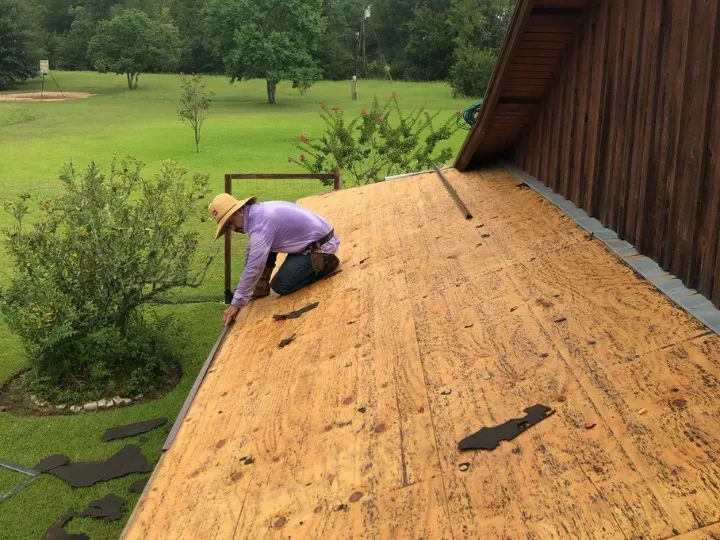
Each type has distinct advantages, and the right choice depends on your roof slope, budget, expected ownership period, and aesthetic preferences. A professional roof inspection can identify which type of energy-efficient roofing makes the most sense for your specific home.
For a Houston homeowner, an energy-efficient roof may reduce cooling costs by 20% to 40%, or approximately $500 to $1,500 per year. Actual results depend on the roof's condition, insulation, home size, HVAC efficiency, electricity rates, and how much direct sun the roof receives. The range is a planning estimate, not a guaranteed utility-bill reduction.
Houston roofs absorb substantial solar heat during long, hot summers. A roof with higher solar reflectance sends more sunlight away instead of converting it into heat. Materials with high thermal emittance can also release absorbed heat through infrared radiation. Together, those properties can lower the heat reaching the attic and reduce the workload on the air conditioner. The Oak Ridge National Laboratory's Cool Roof Calculator allows homeowners to estimate potential savings based on their specific location, roof type, and energy costs.
That matters most when an HVAC system is older, inefficient, or undersized. A cooler roof can reduce the building's thermal load, helping an existing system provide adequate comfort without running as hard or as often. The best way to estimate the opportunity is to review the roof, attic, insulation, ventilation, and recent energy patterns together rather than treating the roof covering as an isolated expense.
Cool roofs can create a winter heating penalty because they absorb less sunlight, which reduces heat conduction into the home during colder periods. In Houston, that tradeoff is generally limited because the cooling season and summer heat load are more significant than prolonged winter heating demand. Still, roof color and performance should be selected for the home's full-year conditions, not based on a summer statistic alone.
Cool roofing products usually cost no more than comparable conventional products, especially when selected during a planned roof replacement or new construction. That makes the energy benefit easier to evaluate because the homeowner may not be paying a large premium for the efficiency feature itself. Installation details, roof complexity, product availability, and required repairs can still affect the total project cost. For a transparent look at local pricing, see our new roof cost guide for Houston homeowners.
A full replacement is not the only possible path. Some existing roof systems can be retrofitted with cool coatings. This approach may avoid immediate replacement, but it can add material and labor costs, and the roof must be suitable for coating. An objective inspection can clarify whether a coating, a replacement covering, or improvements elsewhere in the attic are the most sensible investment.
For a reliable decision, compare the expected cooling benefit with the roof's remaining service life and any repairs already needed. That keeps the recommendation tied to documented conditions rather than a generic savings promise.
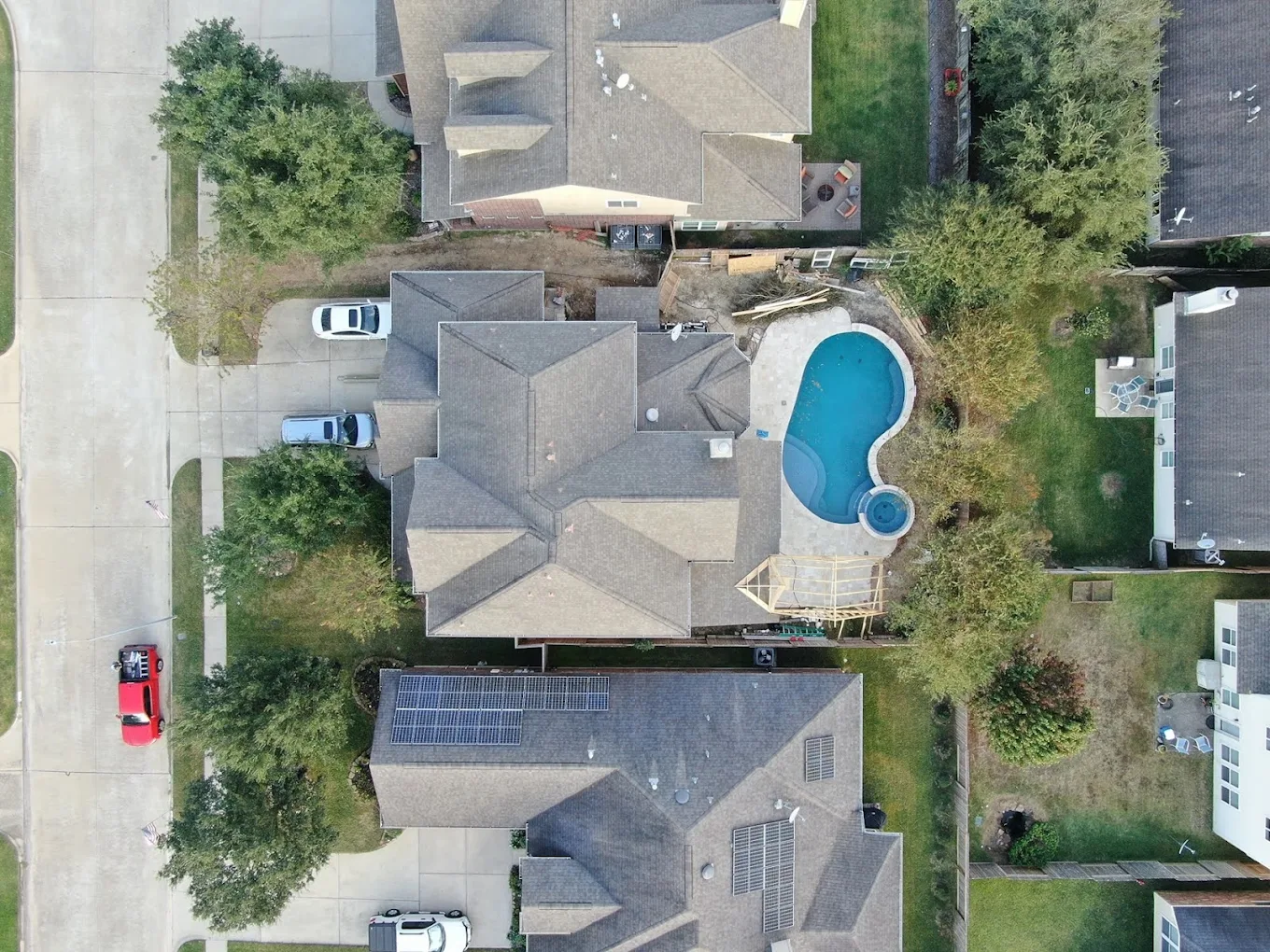
Radiant barriers, adequate attic insulation, and balanced ventilation work together to limit heat entering your home and help an energy efficient roofing Houston system perform as intended.
A reflective roof covering addresses the sun-facing surface, but the attic remains an important part of the system. In Houston, summer heat can build above the ceiling and increase the load on your air conditioner. Improving the layers below the shingles helps slow that heat transfer and keeps the home more comfortable.
A radiant barrier is an aluminum-faced sheathing installed to reflect radiant heat. The documented performance figure for this type of barrier is up to 97% of radiant heat reflected, with attic temperatures reduced by as much as 30 degrees Fahrenheit under suitable conditions. The result depends on installation details, attic design, and airflow, so an inspection should confirm whether a radiant barrier is appropriate for the property. Consider pairing this with a roof tune-up service if your roof needs maintenance alongside energy upgrades.
Many older Houston homes have attic insulation around R-19. That level may leave the ceiling assembly more exposed to the region's sustained summer heat. An upgrade from R-19 to R-38 or R-49 can reduce heat transfer by approximately 50% to 60%, according to building science data. Insulation does not cool the roof itself. Instead, it slows the movement of heat from the attic toward the living space, which can reduce strain on the cooling system.
Proper attic ventilation is critical in Houston's climate because insulation and reflective materials need a way to work within a controlled airflow system. Intake and exhaust ventilation should be evaluated together. Blocking vents, insufficient intake, or poorly placed exhaust can limit performance and create uneven attic conditions. Ventilation also needs to be designed around the existing roof assembly rather than added as a standalone product.
These components are most effective when planned together with a cool roof. The roof covering reflects more solar energy, the radiant barrier limits radiant heat, insulation slows heat transfer, and ventilation helps manage attic air movement. A roof assessment can identify which layer is limiting performance, so homeowners can prioritize targeted improvements instead of paying for upgrades that do not address the actual condition. Preparation for severe weather should also factor into your planning -- review our hurricane season roof preparation guide to protect your investment.
Yes, some Texas homeowners may qualify for utility or government rebates when they install qualifying cool-roof products, but eligibility depends on the program, roof assembly, and documentation requirements. Before choosing materials, check current offerings with your electric utility and applicable government agencies. Programs can change, and a product described as energy efficient is not automatically eligible for every incentive.
Utility companies and government programs may offer rebates for installing qualifying energy-efficient roofing products. The U.S. Department of Energy identifies these rebates as a potential benefit of cool roofs, but homeowners should confirm the details before signing a contract. Ask whether the program requires preapproval, a specific solar reflectance rating, an approved contractor, product documentation, photographs, or an inspection after installation.
Energy-efficient roofing can also support eligibility for certain energy-efficiency certifications or help a building meet applicable efficiency standards. Keep the product specifications, invoices, permit records, and installation documentation together. Those records can make an application easier and help demonstrate that the completed roof matches the program requirements.
Rebates are only one reason to consider a cool roof. By reflecting more sunlight and absorbing less heat, these systems can reduce the building's cooling demand during hot weather. That can lower peak electricity demand across the grid, which may help reduce strain that contributes to power outages. Lower electricity demand can also decrease power plant emissions.
At the community level, cool roofs can lower local outside air temperatures and lessen the urban heat island effect. Cooling the outside air may slow the formation of smog because some air pollutants form more readily at higher temperatures. Reflecting more sunlight back toward space may also help offset global warming by reducing the solar energy absorbed by the Earth. These are system-level benefits, not promises of a specific utility-bill reduction for every home.
For a Houston project, an objective roof inspection can help determine whether a qualifying cool-roof upgrade fits the existing roof, ventilation, and replacement timeline. A clear recommendation should identify the product criteria to verify, the records to retain, and any rebate questions to ask before work begins.
The best starting point is a documented inspection that evaluates both roof condition and energy-performance opportunities before you compare materials or request installation. This keeps the decision grounded in evidence rather than assumptions about age, appearance, or utility costs.
This approach turns energy-efficient roofing from a vague goal into a measurable plan: inspect the existing system, understand the evidence, compare suitable options, and proceed only when the work and expected benefits are clear. Read about how to decide between roof repair and replacement to better understand which path aligns with your goals.
Savings depend on roof condition, insulation, ventilation, home design, and air-conditioning efficiency. A reflective roof can reduce the heat reaching the attic and HVAC system, but a site-specific estimate is more reliable than a fixed percentage. Review the roof, attic, and utility patterns together before deciding whether the upgrade is worthwhile.
A cool roof reflects more sunlight and absorbs less solar energy than a conventional roof. Solar reflectance describes how much sunlight the surface sends away, while thermal emittance describes how effectively it releases absorbed heat as infrared radiation. These properties can lower the roof's surface temperature significantly on a hot Houston afternoon.
The best material depends on your roof slope, budget, and how long you plan to own the home. Cool-coated asphalt shingles work well for most residential replacements. Standing seam metal roofing offers the highest reflectance and longest service life. Light-colored tile fits certain architectural styles, and TPO membranes suit flat roof sections. An inspection helps match the right material to your specific roof.
Some Texas homeowners may qualify for utility or government rebates when they install qualifying cool-roof products. Eligibility depends on the specific program, roof assembly, and documentation. Check with your electric utility and applicable government agencies before purchasing materials. Programs change frequently, and not every energy-efficient product qualifies.
In some cases, yes. Reflective coatings can be applied to certain existing roof surfaces that are structurally sound and compatible with coating adhesion. This retrofitting approach is generally less expensive than a full replacement but only works when the existing roof has a suitable surface and adequate remaining service life. An inspection can confirm whether your roof is a candidate for coating.
Get clarity on your roof's energy performance today. Schedule your free AI-powered roof inspection at 281-841-2504 and find out which energy-efficient upgrades make sense for your Houston home.
Roofing Resources


