Home
Home
Services
Services

Resources
Resources
Storm Restoration
Storm Restoration
Roof Systems
Roof Systems
Locations
Locations
Get the facts on drone roof analysis for leaks. Learn how drones detect hidden moisture, spot roof issues early, and help you make informed repair decisions.

Your roof’s biggest threats are often the ones you can’t see. While a person walking on your roof might spot obvious damage, they can’t see moisture trapped beneath the shingles or failing insulation that’s compromising your home’s efficiency. This is where technology provides a clearer picture. A drone inspection uses advanced thermal imaging to detect subtle temperature differences across your roof, revealing hidden problems before they cause serious damage. This process, known as a drone roof analysis for leaks, gives us a complete diagnostic view. Here, we’ll explain the difference between visual and thermal data and show you how this technology provides a more thorough, accurate assessment.
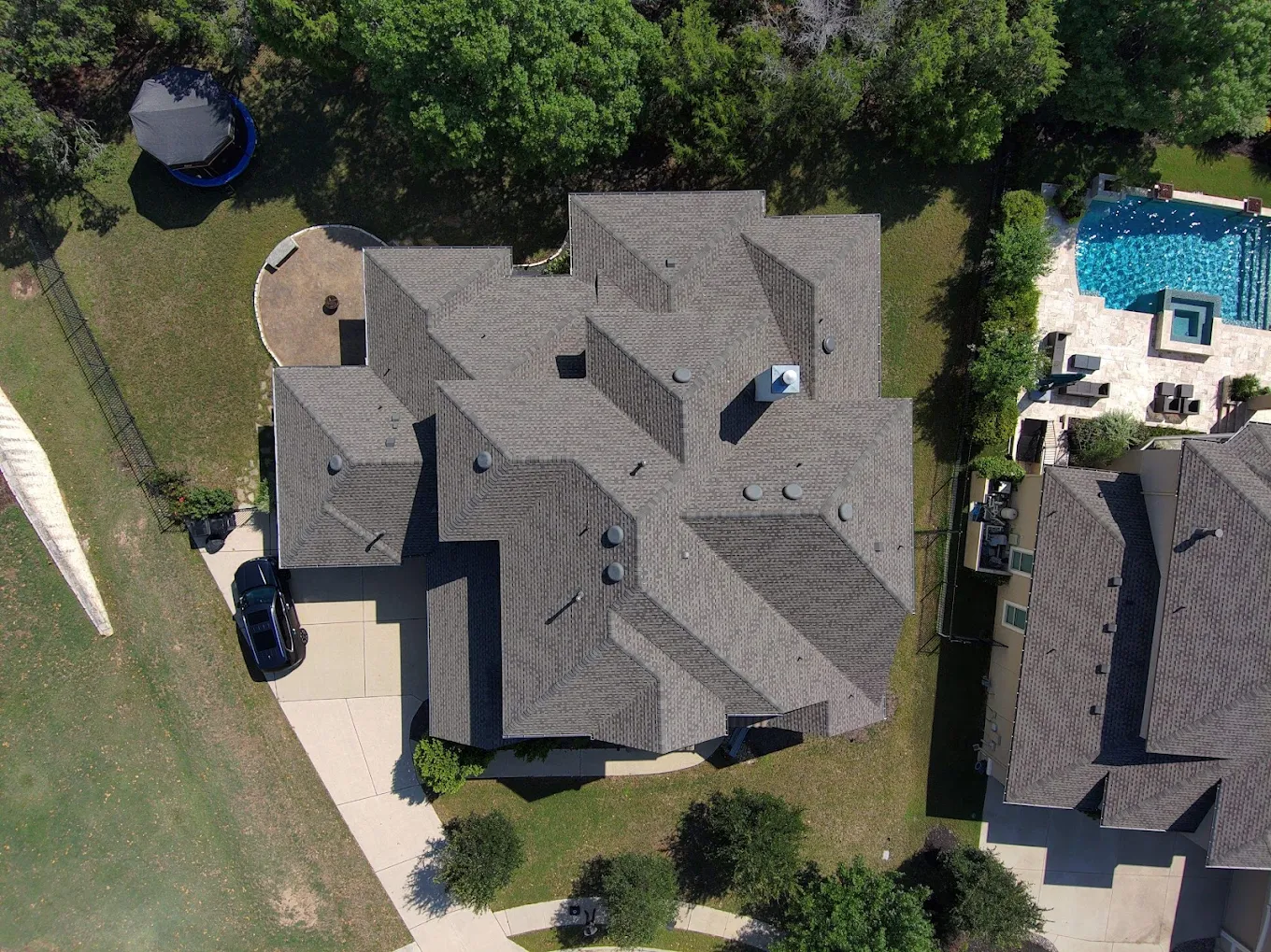
A drone roof inspection is exactly what it sounds like: a highly detailed roof assessment performed by a drone equipped with advanced cameras. Instead of a person climbing onto your roof with a clipboard, a small, unmanned aerial vehicle (UAV) flies over your home, capturing high-resolution images and data. This modern approach provides a complete, bird's-eye view of your entire roofing system, from the shingles and flashing to the gutters and ridges. The goal is to replace guesswork with facts.
The drone’s cameras can spot subtle issues like cracked shingles, hail damage, or deteriorating seals that might be missed from the ground. More importantly, specialized sensors can detect problems hidden beneath the surface. A drone roof inspection gives you a clear, unbiased record of your roof's condition, empowering you to make informed decisions about repairs or replacement without the pressure of a traditional sales pitch. It’s a safer, faster, and more thorough way to understand the health of your home’s most important protective barrier.
Drone technology finds leaks by seeing what the human eye can’t. While a standard camera captures visual damage, a drone equipped with a thermal camera detects temperature differences across your roof's surface. This process, known as drone thermal roofing analysis, is the key to finding hidden moisture. Here’s how it works: during the day, your roof absorbs heat from the sun. As it cools down after sunset, areas with trapped moisture retain heat longer than dry areas. A thermal camera highlights these warmer spots, which often indicate a slow leak or waterlogged insulation long before you see a stain on your ceiling. This allows us to pinpoint the exact location of a potential problem without any invasive or destructive methods.
Think of it this way: a visual camera shows you the "what," while a thermal camera shows you the "why." A high-resolution visual camera is great for identifying surface-level issues like missing shingles, hail dings, or debris buildup. It provides a clear, detailed picture of your roof's visible condition. A thermal camera, on the other hand, reveals what’s happening underneath. It doesn’t see light; it sees heat. By capturing the thermal signature of your roof, it can uncover hidden problems like water intrusion, saturated insulation, or energy loss. These are issues that a standard visual inspection would almost certainly miss. Using both technologies together gives you a complete diagnostic picture, ensuring no problem goes unnoticed.
Drones are incredibly effective at finding subtle and early-stage leaks that cause the most long-term damage. Because they can detect trapped moisture, they excel at identifying slow leaks around flashing, vents, and skylights, which are common failure points. They can also find water that has penetrated the underlayment and is spreading through the insulation, even if the shingles on top look perfectly fine. Beyond active leaks, the technology can create detailed 3D models of your roof, allowing for precise measurements and analysis of its structural integrity. This helps identify potential future weak spots, such as areas with poor drainage or subtle sagging. The result is a proactive approach that helps you address small issues before they become expensive, catastrophic failures.
When you need to know what’s happening on your roof, you have two main options: a traditional, boots-on-the-roof walk-through or a modern drone analysis. While a physical inspection has been the standard for decades, drone technology offers a more advanced approach. It provides a safer, faster, and more detailed view of your roof’s condition, giving you the clear, factual information you need to make smart decisions without the sales pressure. This method aligns with our focus on delivering transparent, data-driven insights so you can feel confident in your choices.
The most obvious difference between the two methods is safety. A traditional inspection requires a person to climb a ladder and walk directly on your shingles. This not only puts the inspector at risk of a fall but can also cause unintentional damage to your roof, especially if you have older, brittle shingles or a steep pitch. A drone inspection eliminates these risks entirely. By using an unmanned aerial vehicle, we can capture a complete picture of your roof from the ground. This no-climb method protects your property from foot traffic and ensures no one has to navigate a dangerous roof, which significantly reduces accidents and liability.
Drone inspections are not only safer, but they are also significantly faster and more thorough. A drone equipped with a high-resolution camera can survey your entire roof in a fraction of the time it takes for a manual inspection. Instead of relying on handwritten notes and a few photos, you get a complete, high-definition visual record of every square inch. This digital model allows for precise analysis and eliminates guesswork. Compared to traditional methods, which can be labor-intensive, this approach offers significant efficiency advantages. You receive a clear, data-driven report that shows you exactly what we see, empowering you with objective facts about your roof’s health.
Perhaps the biggest advantage of a drone inspection is its ability to find problems that are invisible to the naked eye. Using thermal imaging, a drone can detect subtle temperature variations across your roof’s surface. These differences often indicate trapped moisture from a leak that hasn’t yet made its way into your attic or ceiling. Infrared roof inspections are one of the most effective ways to identify hidden moisture and failing insulation before they lead to widespread, expensive damage. This proactive approach allows you to address small issues before they become major headaches, saving you money and protecting the long-term value of your home.
A drone inspection is a straightforward, data-driven process designed to give you a clear picture of your roof's health without the guesswork. Unlike a traditional inspection that relies on a person walking on your roof, a drone uses advanced imaging to capture comprehensive data from above. This approach is safer for your roof, faster, and provides a level of detail that the human eye can miss. Knowing what to expect can help you feel confident in the process from start to finish.
On the day of your inspection, a certified and insured drone pilot will arrive at your home. The process is quick and requires very little from you. The pilot will perform a pre-flight check and plan a flight path that covers every angle of your roof. During the flight, which usually takes less than an hour, the drone captures hundreds of high-resolution images. It also uses a thermal camera to take pictures that show temperature differences across your roof's surface. These thermal images reveal hot and cold spots that can indicate trapped moisture, faulty insulation, or other hidden issues, all without anyone setting foot on your shingles.
For the most accurate thermal analysis, the weather needs to cooperate. A successful thermal inspection depends on a temperature difference, or "delta T," between the roof surface and the air. That’s why inspections are often scheduled for about an hour after sunset, after the roof has absorbed solar heat all day and begins to cool. As it cools, areas with trapped moisture will hold onto heat longer, showing up as warm spots on the thermal camera. For this reason, the roof must be completely dry, with no standing water from recent rain. Scheduling around the weather ensures the data we collect is clear and reliable, not skewed by environmental factors.
Preparing for a drone inspection is simple. Your main job is to ensure the area around your home is clear of obstructions like cars, patio furniture, or toys, giving the pilot a safe space to operate. Otherwise, you can go about your day. While we handle the technical side, you can think about your roof’s history. Making a note of any past leaks, repairs, or concerns you have is always helpful for our team. We recommend getting your roof scanned annually as part of your home maintenance routine. It's also wise to schedule an inspection after major Houston weather events like hurricanes or hailstorms, especially if you have a flat or older roof that is more susceptible to damage.
After the inspection, you won’t just get a folder of raw images. Our team processes the data to create a complete picture of your roof's condition. All the individual photos are stitched together using specialized software to build a detailed 3D model of your roof. This allows us to examine every inch up close. The report you receive will be clear and easy to understand, with annotated images highlighting specific areas of concern. We’ll show you the visual and thermal data side-by-side, explain what it means, and provide transparent, data-backed recommendations. This digital model serves as a permanent record, making it easy to track changes over time.
Drone analysis is a game-changer for understanding your roof's health, but it’s a tool, not a magic wand. Like any advanced technology, it works best within specific parameters and requires expert interpretation. A truly professional roofing assessment combines the high-tech data from a drone with the hands-on knowledge of an experienced roofer. Understanding the limitations isn't a drawback; it’s proof that your inspection process is thorough, honest, and grounded in reality. At AI Roofing, we believe in showing you the complete picture, which includes how we ensure our technology delivers the most accurate results possible.
Drone inspections, especially those using thermal cameras to find hidden moisture, are highly sensitive to weather. For the clearest thermal data, we typically fly about an hour after sunset. This timing allows your roof to cool down after a day in the sun, making any trapped moisture, which retains heat longer, stand out as a warm spot. Flying in the morning or midday can create misleading thermal patterns. We also need calm conditions, with wind speeds under 10 mph. Strong winds can cool the roof surface too quickly, effectively hiding the subtle temperature differences we need to identify potential leaks. Following these best practices for thermal inspections is critical for accuracy.
A thermal image can tell us a lot, but it can’t tell us everything. Sometimes, things like a pile of leaves, a patch of dirt, or even different roofing materials can create a thermal anomaly that looks like a leak. This is why data is only half the equation. An expert must interpret the thermal report and then physically verify any areas of concern. The drone’s job is to guide us to potential trouble spots with incredible precision. Our job is to put our hands and eyes on that spot to confirm what’s really going on before recommending a course of action. This two-step process eliminates guesswork and ensures you only pay for work you actually need.
You may have seen online discussions debating whether a drone can be as thorough as a person walking on the roof. It’s a valid question, but it presents a false choice. The best approach isn’t drone versus human; it’s drone and human. A drone provides a comprehensive, bird's-eye view and captures data the human eye can't see, identifying potential issues across the entire roof surface without a single footstep. A physical follow-up then allows for a close-up confirmation of the drone's findings. This integrated method is safer, faster, and ultimately more accurate than a traditional inspection alone, giving you a complete and reliable assessment of your roof's condition.
Knowing when to schedule a roof inspection can feel like a guessing game, but it doesn’t have to be. While there’s no single answer for every home, a few key moments make a professional drone analysis a smart, proactive decision. Think of it as a strategic tool for protecting your home’s value and preventing small issues from becoming expensive headaches. For Houston homeowners, our intense weather and climate make regular check-ups especially important. Scheduling inspections at the right time gives you the clear, data-driven information you need to make confident decisions about your property.
Houston is no stranger to severe weather, and your roof is the first line of defense against hurricanes, hailstorms, and intense downpours. After a significant storm passes, it’s wise to have your roof professionally assessed. Damage isn't always visible from the ground; high winds can lift shingles, and hail can create small, hidden fractures that allow moisture to seep in over time. A drone inspection provides a safe and immediate way to get a detailed look at your roof's condition without anyone having to climb on a potentially compromised surface. This quick analysis helps you identify storm damage early and address it before it leads to leaks or structural problems.
Just like a yearly physical, an annual roof inspection is one of the most effective ways to ensure your roof remains in top condition. Over time, exposure to the sun, heat, and rain causes materials to wear down. An annual drone analysis can spot subtle signs of aging, like deteriorating sealant around vents or minor granule loss on shingles, long before they become serious issues. This approach to regular roof maintenance shifts you from a reactive to a proactive mindset. By catching and addressing small problems early, you can extend the life of your roof and avoid the stress and high costs of an emergency repair.
A roof’s condition is a major factor in any real estate transaction. If you’re selling your home, a drone inspection report provides transparent, verifiable proof of your roof’s health, building trust and confidence with potential buyers. If you’re buying a home, a detailed analysis ensures you know exactly what you’re getting into. A standard home inspection is essential, but a specialized drone roof analysis offers an even deeper level of insight. It gives you objective data to help you avoid inheriting unexpected repair costs, empowering you to negotiate fairly and invest with peace of mind.
Choosing a drone roof inspection provider isn't just about finding someone with a drone. The quality of the technology, the expertise of the person analyzing the data, and the clarity of the final report all determine whether you get real answers or just a collection of pictures. A great provider combines advanced tools with deep roofing knowledge to give you a clear, unbiased assessment of your roof’s condition. This helps you move forward with confidence, knowing your decisions are based on facts, not guesswork.
The right technology is the foundation of a reliable drone inspection. Your provider should use high-resolution cameras to capture crisp, detailed images, but the real game-changer is thermal imaging. A drone thermal roofing analysis uses special cameras to detect temperature differences across your roof's surface. These variations can pinpoint trapped moisture and potential leaks that are completely invisible to the naked eye. However, collecting this data is only half the battle. The provider must deliver a report that is easy to understand, with annotated images and straightforward explanations that connect the data to the health of your roof. You should never be left wondering what you’re looking at.
Anyone can learn to fly a drone, but it takes a roofing professional to accurately interpret what the drone sees. A pilot might be able to spot a cracked shingle, but a roofer understands why it cracked and what that means for the layers underneath. The most trustworthy providers have experienced roofers analyzing the inspection data. They know how to distinguish a minor issue from a critical one and understand how different roofing systems are supposed to perform. This expertise is what makes an inspection truly accurate, as it combines high-tech data with hands-on knowledge. Without it, you’re getting an incomplete picture.
Your home is one of your biggest investments, and a drone inspection should help you protect it. A quality provider delivers objective, verifiable data that empowers you to make smart decisions. This is especially important when dealing with insurance claims. An inspection provides reliable and accurate information that helps ensure decisions about coverage are fair and based on documented evidence, not subjective opinions. This data-driven approach removes the pressure and uncertainty that often come with traditional roofing sales tactics. You get a clear, honest assessment, allowing you to address necessary repairs confidently and avoid paying for work you don’t need.
Can I use a drone inspection report for my insurance claim? Absolutely. A drone inspection report provides clear, dated, and high-resolution evidence of your roof's condition, which is exactly what insurance adjusters need. The detailed images and thermal data create an objective record of damage that can support your claim and ensure the assessment is based on facts, not just opinions.
Is a drone inspection more expensive than a traditional one? While the initial cost might be comparable to a traditional inspection, a drone analysis often saves you money in the long run. By using thermal imaging to find hidden leaks before they cause major structural damage, you can address small repairs proactively. This data-driven approach prevents you from paying for unnecessary work and helps you avoid the high cost of emergency repairs down the road.
If the drone is so thorough, why is a physical follow-up sometimes needed? The drone is an incredible diagnostic tool that tells us exactly where to look, but it can't confirm the cause of a thermal anomaly on its own. Things like debris or different material patches can sometimes look like a leak on a thermal scan. An expert physically verifying the spot ensures our diagnosis is 100% accurate, so we only recommend work that is truly necessary. It’s about combining technology with expertise for a result you can trust.
How long does the entire inspection process take? The on-site flight itself is very quick, usually taking less than an hour to complete. After that, our team processes the hundreds of images to build your detailed 3D model and analyze the thermal data. You can typically expect to receive your comprehensive, easy-to-read report within a few business days.
Do I need to be home during the inspection? You don't need to be present for the drone flight itself, as long as the pilot has safe and clear access to the exterior of your property. We handle the entire process from the outside. We will schedule a separate time to review the findings with you once your detailed report is ready.
Roofing Resources