Home
Home
Services
Services

Resources
Resources
Storm Restoration
Storm Restoration
Roof Systems
Roof Systems
Locations
Locations
Get expert tips on choosing an asphalt shingle roofing Galveston contractor. Learn what to look for, red flags, and how to protect your home and budget.

Opinions about your roof are everywhere, but facts can be hard to find. You might hear you need a full replacement after a quick glance, or that certain shingles can't handle coastal weather. These assumptions, often driven by sales pressure, lead to costly mistakes. The truth is, a modern roofing project should be guided by data, not guesswork. As your local asphalt roofing contractor, we use technology to assess your roof’s actual condition. This guide explains our data-driven approach to asphalt shingle roofing in Galveston, giving you a clear, objective picture to make a confident, pressure-free decision for your home.
Choosing a roofing material for a coastal home is a big decision. You need something that can stand up to the unique demands of island life while still looking great and fitting your budget. For many Galveston homeowners, asphalt shingles hit that perfect balance. They are one of the most popular roofing materials in the country for a reason: modern
When installed correctly, a quality asphalt roof provides excellent protection against the elements. It’s a reliable choice that offers a wide range of styles and colors to match your home’s aesthetic. But not all asphalt shingles are created equal, and understanding the specific challenges of our coastal environment is the first step in making a smart investment for your home. Let's break down what makes Galveston's climate so tough on roofs and how the right asphalt shingles can rise to the occasion.
Living in Galveston means dealing with a climate that’s tough on any building material, especially your roof. Your roof is the first line of defense against a trio of environmental stressors: intense sun, corrosive salt air, and the ever-present threat of severe weather. The sun’s relentless UV rays can bake and degrade roofing materials over time, causing them to become brittle. The salty, humid air accelerates rust and corrosion on metal components and can slowly wear down other materials.
Then there’s the wind and rain from tropical storms and hurricanes, which demand superior structural integrity and wind resistance. These factors combined mean that a roof in Galveston has to work much harder than one in a less demanding climate. Choosing a material specifically suited for these conditions isn't just a good idea; it's essential for protecting your home.
So, how do asphalt shingles hold up against Galveston's climate? Modern shingles are specifically designed for this kind of fight. They are built with a durable fiberglass mat at their core, which is then saturated with water-resistant asphalt. The top layer is coated with mineral granules that serve a critical purpose: they deflect the sun's harsh UV rays, protecting the layers underneath from breaking down and extending the life of your roof.
To combat high winds, manufacturers have developed shingles with advanced adhesive properties. When installed correctly, these adhesive strips activate in the sun, sealing the shingles together to create a strong, cohesive barrier against wind uplift. Architectural shingles, which are thicker and heavier than traditional 3-tab shingles, offer even greater durability and wind resistance, making them an excellent choice for coastal homes.
Asphalt shingles are the most popular roofing material in the country for a good reason: they hit that perfect balance between durability, style, and value. When you're looking for a reliable solution that won't break the bank, modern asphalt shingles are built to last, even in demanding climates like Galveston's. When installed correctly by a professional, a quality asphalt roof provides excellent protection from the elements. Plus, they come in a huge variety of colors and styles, from traditional looks to ones that mimic slate or wood shake. This flexibility allows you to find the perfect match for your home’s aesthetic without compromising on performance or budget.
The resilience of modern asphalt shingles isn't just a claim; it's based on their specific construction. At their core is a durable fiberglass mat saturated in water-resistant asphalt. The top is then coated in mineral granules, which do more than just add color—they are critical for deflecting the sun's harsh UV rays, protecting the asphalt underneath from breaking down. For even greater performance, architectural shingles are a smart upgrade. They are thicker, heavier, and engineered with enhanced sealing technology, offering superior durability and wind resistance that makes them an excellent choice for any coastal home.
While high-quality asphalt is an excellent choice, it’s always wise to consider all your options. For some Galveston homeowners, metal roofing is another powerful contender. Metal systems are highly regarded for their ability to resist damage from both corrosive salt spray and extreme winds, two of our biggest local challenges. Beyond their strength, metal roofs are also very energy-efficient. They are strong, light, and reflect the sun’s heat away from your home, which can help lower your cooling costs during our long, hot summers. A thorough roof assessment should always include a discussion of different materials so you can weigh the pros and cons of each for your specific property and goals.
A few common misconceptions can get in the way of making an informed decision about asphalt roofing. Let's clear them up. One myth is that all asphalt shingles are basically the same. This couldn't be further from the truth. Shingles vary widely in construction, from standard 3-tab shingles to heavier architectural and premium impact-resistant versions. Brands also offer different warranties, color options, and features. A roof's longevity depends heavily on choosing the right quality for your environment.
Another myth is that every asphalt roof needs to be replaced every 20 years. While that might be a benchmark for older, lower-quality shingles, it’s not a universal rule. The actual lifespan of your roof depends on the quality of the materials, the skill of the installation, and how well it’s maintained. Instead of relying on a calendar, it's far better to base your decisions on the roof's actual condition.
Asphalt shingles are the most popular roofing material in the country for a reason: they offer a great balance of performance, affordability, and style. But for a home in Galveston, not just any shingle will do. The coastal environment demands a roof that can stand up to intense sun, high humidity, salt spray, and the occasional tropical storm. Understanding the different types of asphalt shingles available is the first step toward making a confident, informed decision for your home.
Your choice will come down to three main options: 3-tab, architectural, and impact-resistant shingles. Each offers a different level of durability, aesthetic appeal, and weather protection. While one might be a great fit for a budget-conscious project, another provides long-term security that can save you money and stress down the road. Thinking through your priorities, from curb appeal to storm resilience, will help you select the right material to protect your investment. We'll break down the pros and cons of each so you can see which one aligns with your home's needs and your long-term goals.
3-tab shingles are the most traditional and budget-friendly asphalt shingle option. They are made from a single, flat layer of asphalt and have cutouts that create a repeating three-tab pattern. Their uniform, flat look is common on many homes and is often chosen for its low upfront cost. If you're working with a tight budget for a roof repair or replacement, 3-tabs are a functional and economical choice.
However, their lightweight construction makes them more susceptible to wind uplift, a significant concern in coastal areas like Galveston. They also have a shorter lifespan, typically lasting around 15 to 20 years. While they meet basic roofing needs, they offer the lowest level of protection against severe weather compared to other asphalt shingle types. This guide to asphalt shingle roofing can help you compare their basic features.
It's important to know that the roofing industry is actively moving away from 3-tab shingles. Major manufacturers are phasing out or completely stopping production, reflecting a growing demand from homeowners for roofing that offers better longevity and resilience. This shift is happening because many people now prefer architectural shingles for their superior strength and appearance, especially in demanding climates. For a coastal area like Galveston, where durability is non-negotiable, this industry-wide move toward stronger materials is a significant and welcome change that aligns with protecting your home long-term.
This transition has a direct impact on homeowners, especially if you currently have a 3-tab roof. The biggest challenge is finding matching shingles for repairs. As manufacturers discontinue 3-tab lines, sourcing replacements for even minor storm damage becomes incredibly difficult, if not impossible. This can leave you with a mismatched, patchy roof that hurts your home's curb appeal and value. In many cases, what should be a simple repair can turn into a forced, and often premature, full roof replacement. This is where an accurate assessment of your roof's current condition is so critical; it helps you understand whether a repair is a practical option or if upgrading to a modern shingle is the smarter long-term investment.
Architectural shingles, also known as dimensional shingles, are a major step up in both performance and appearance. They are constructed with multiple laminated layers of asphalt, which makes them thicker, heavier, and far more durable than 3-tab shingles. This layered design creates a rich, textured look that can mimic the appearance of natural materials like wood shake or slate, adding significant curb appeal to your home.
For Galveston homeowners, the biggest advantage of architectural shingles is their superior weather resistance. Their weight and construction allow them to withstand higher wind speeds, often rated for up to 130 mph. They also come with longer warranties, typically lasting 30 years or more. While they cost more than 3-tabs, the investment provides better long-term protection and value, making them a popular choice for homeowners who prioritize durability. You can learn more about how architectural shingles vs. 3-tab shingles stack up in terms of longevity and strength.
When you're looking at architectural shingles, a few brands consistently stand out for their performance in demanding coastal environments. Two of the most trusted names are CertainTeed and GAF. Product lines like CertainTeed’s Landmark and GAF’s Timberline HDZ are specifically engineered for superior durability and weather resistance. Their multi-layer construction not only adds dimension and curb appeal but also provides the weight and strength needed to resist high winds. Their proven track record in protecting homes against the exact challenges we face in Galveston makes them a top recommendation from industry professionals, and they are backed by some of the strongest warranties available.
Impact-resistant (IR) shingles are the top-tier option for homeowners seeking maximum protection. These shingles are specifically engineered to withstand severe weather, including hail and wind-blown debris. They undergo rigorous testing and earn a Class 4 rating, the highest impact resistance classification available. This is achieved by blending rubber-like polymers, such as styrene-butadiene-styrene (SBS), into the asphalt, which allows the shingle to better absorb impact without cracking.
For a home in Galveston County, IR shingles offer unparalleled peace of mind. Their durability can prevent costly repairs after a storm and may even qualify you for a discount on your homeowner's insurance premium. While they represent the highest upfront cost, these impact-resistant roofing shingles are a smart investment in long-term resilience, protecting your home against the harshest coastal conditions.
Selecting the right shingle involves balancing your budget, desired aesthetic, and the level of protection your home needs. Start by considering the non-negotiables for a coastal property: wind resistance and durability. While 3-tab shingles are economical, their lower wind rating makes them a risky choice for Galveston's climate. Architectural shingles often provide the best all-around value, offering excellent durability and curb appeal for a moderate price increase.
If your priority is ultimate protection and long-term savings on potential repairs and insurance, impact-resistant shingles are the clear winner. A professional roofing contractor can help you choose the right roofing shingles by providing a detailed assessment of your property and explaining how each option would perform on your specific home.
At AI Roofing, our services are built around a simple principle: you should only pay for the work your home actually needs. Whether you need a minor repair or a full roof replacement, our process begins with a comprehensive, data-driven assessment to give you a clear and honest picture of your roof’s condition. We combine decades of hands-on roofing experience with advanced technology to provide solutions tailored specifically for Galveston’s coastal climate, ensuring every project is completed with precision, transparency, and a commitment to long-term performance.
From detailed inspections that leave no shingle unturned to meticulous repairs and full-scale replacements, we handle every job with the same level of care. Our focus is on delivering durable, reliable results that protect your investment against the unique challenges of coastal weather, all while keeping you informed and in control. We believe a roofing project shouldn't be a source of stress, which is why we've built our entire service model on providing facts, not pressure.
A proper roof inspection is more than a quick glance from the curb; it’s a detailed health check for one of your home’s most critical assets. Our inspections use advanced technology to document every aspect of your roof, identifying subtle signs of wear, potential leak sources, and storm-related damage that visual-only checks often miss. We provide you with a complete, data-backed report so you understand exactly what’s going on up there. This factual foundation allows you to make an informed decision about the next steps, confident that our recommendations are based on evidence, not a sales quota.
When it’s time for a new roof, a quality installation is just as important as the materials you choose. We manage every new roof installation with meticulous attention to detail, ensuring your new asphalt shingles are installed to meet or exceed manufacturer specifications and local building codes. From helping you select the right shingles for Galveston's climate to executing a flawless installation, our goal is to provide a durable, weather-resistant roof that protects your home for decades. We keep you informed throughout the process, so you have full visibility and peace of mind from start to finish.
Not every roofing issue requires a full replacement. In many cases, a targeted repair is the most responsible and cost-effective solution. Our data-driven inspections allow us to pinpoint the exact source of a problem, whether it’s a few missing shingles from a storm or a persistent leak. By focusing on precise repairs, we address the immediate issue and help extend the life of your existing roof. We believe in solving problems efficiently, and we will never pressure you into a replacement when a professional roof repair is all you need to keep your home safe and dry.
When a roof has reached the end of its service life or sustained damage beyond repair, a full replacement is a necessary investment in your home’s safety and value. We only recommend a replacement when our detailed assessment provides clear evidence that it’s the right call. Our team will walk you through the material options, including durable architectural and impact-resistant shingles ideal for coastal weather. We treat a roof replacement not as a sale, but as a critical infrastructure project for your home, ensuring it’s done right to provide lasting protection.
Navigating the aftermath of a hurricane or severe storm in Galveston can be overwhelming. Our team is experienced in identifying all forms of storm damage, from wind and hail impacts to water intrusion. The detailed documentation from our technology-based inspections provides the clear, indisputable evidence needed for a smooth insurance claims process. We act as your advocate, providing your insurance adjuster with the factual data required to support your claim. Our goal is to help you confidently handle the claims process and restore your roof with minimal stress.
A roof replacement is a significant project, but a professional contractor will guide you through every step to make it as smooth as possible. Knowing what to expect helps you prepare and ensures there are no surprises along the way. From the first look at your roof to the final sign-off, a clear process is the hallmark of a trustworthy company. Here’s a breakdown of the key stages.
While a water stain on your ceiling is an undeniable call to action, many roofing issues start silently. From the ground, you might notice shingles that are curling, cracked, or missing altogether. Take a look at your gutters, too—an excessive amount of shingle granules collecting there can mean your roof's protective top layer is wearing away. Dark streaks on your roof often point to algae growth, which can trap moisture. After a major storm passes through Galveston, it’s always wise to schedule a check-up, even if you don’t see obvious damage. A proper roof inspection is more than a quick glance; it’s a detailed health check. Using advanced technology, we can document every aspect of your roof to find subtle signs of wear and potential leak sources that visual checks often miss.
Regular inspections are the cornerstone of proactive maintenance, which is the best way to maximize your roof's lifespan. This approach helps you find small problems before they become big, expensive ones, especially in Galveston's demanding climate. The combination of intense sun, corrosive salt air, and severe weather means your roof is under constant stress. Instead of waiting for a failure or relying on a generic calendar, it's far better to base your decisions on your roof's actual condition. This data-driven mindset, recommended by experts at the National Roofing Contractors Association, allows you to address issues efficiently and confidently, ensuring you only pay for work that is truly necessary to keep your home safe and dry.
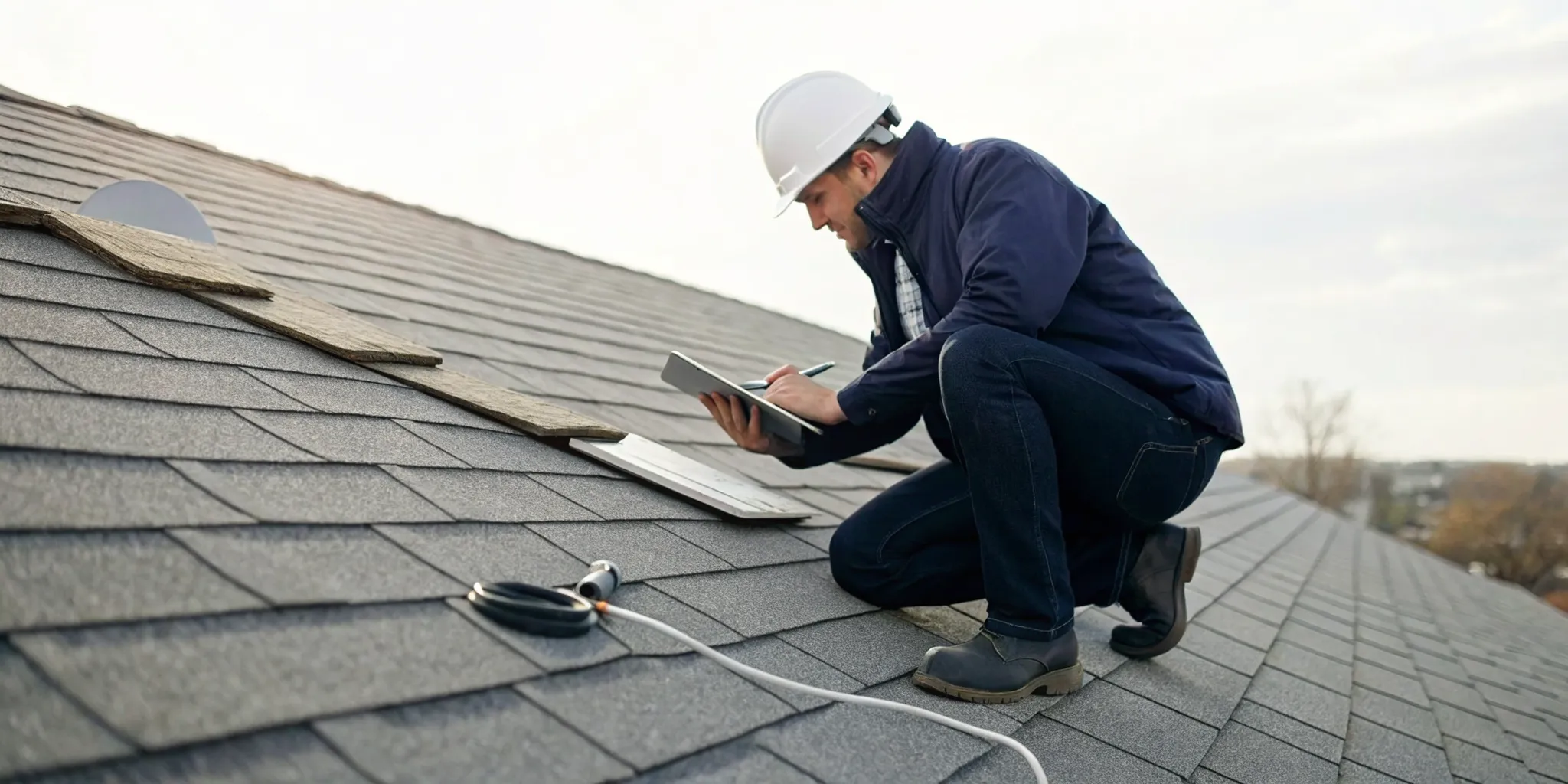
The process begins with a thorough roof inspection to assess its current condition. A roofer will check for storm damage, age-related wear, leaks, and any underlying structural issues. This initial evaluation is critical for determining whether you need a simple repair or a full replacement. At AI Roofing, we use advanced technology to document our findings, providing you with clear data and images so you can see exactly what we see. This fact-based approach removes guesswork and sales pressure, empowering you to make a confident, informed decision about your home.
Once the inspection is complete, you’ll move on to selecting materials. For Galveston homes, choosing the right asphalt shingle is key to long-term performance. Your contractor should walk you through the different types of asphalt shingles, from durable architectural shingles to impact-resistant options designed for coastal weather. During this phase, we’ll also create a detailed project plan. This includes establishing a timeline, coordinating material delivery, and outlining every step of the installation. We work with you to ensure the plan fits your schedule and that all your questions are answered before any work begins.
A little preparation can make installation day go much more smoothly. Before the crew arrives, it’s a good idea to clear your driveway and the areas immediately surrounding your home of any vehicles, patio furniture, or potted plants. Roofing is a loud process, so you may want to make arrangements for pets or family members who are sensitive to noise. We also recommend covering items in your attic with a tarp to protect them from dust and debris. Taking these simple steps helps our team work safely and efficiently while protecting your property.
A full roof replacement project typically spans two to four weeks from our initial meeting to the final walkthrough, though the actual on-site work is usually completed in just one to three days. To ensure a smooth experience, the project follows several clear stages, starting with our detailed inspection and planning phase. After materials are delivered, our crew handles the tear-off of the old roof and the installation of your new shingles. The final steps are a thorough cleanup of your property and a final review with you to ensure everything meets your expectations. Factors like weather, roof complexity, and material availability can influence this schedule, but we promise to keep you informed every step of the way.
After the installation is complete, a project manager will conduct a final walkthrough with you. This is your opportunity to review the work, ask questions, and ensure every detail meets your expectations. We won’t consider the job finished until you are completely satisfied. You will also receive all necessary project documentation, which is essential to understand your warranty and for your records. This final step ensures accountability and provides you with the peace of mind that your new roof was installed correctly and is built to last.
A prorated manufacturer warranty is common with asphalt shingles, but the terms can be confusing. Think of it like the warranty on a set of tires—its value decreases over time. While it might cover 100% of the cost for defective materials in the first few years, that coverage level drops as the roof ages. It’s also critical to know that a manufacturer warranty only covers defects from the production process—not problems caused by improper installation, storm damage, or lack of maintenance. Many claims are denied simply because homeowners aren't aware of these limitations. Taking the time to read the fine print ensures you understand exactly what protection you have and helps you avoid unexpected expenses down the line.
When you hear "roof inspection," you might picture someone walking on your roof and taking a few notes. While that’s part of it, a data-driven inspection goes much further. It shifts the process from relying on opinion to providing objective, verifiable facts about your roof’s condition. This approach is designed to give you a clear and complete understanding, so you can make decisions with confidence instead of feeling pressured. By using technology to gather precise data, we can show you exactly what’s happening with your roof and why we recommend a specific course of action. It’s about replacing uncertainty with clarity, empowering you with the information you need to protect your home. This method ensures that any recommendations are based on solid evidence, not just a quick look.
A traditional roof inspection often relies on what an inspector can see from the ground or on the roof. While experience is valuable, this approach can be subjective and miss issues hidden from the naked eye. A tech-based assessment is different. We use tools like high-resolution drones and thermal imaging to get a complete picture of your roof’s health. The National Roofing Contractors Association confirms that technology improves inspection accuracy, helping us identify subtle heat variations or moisture that might signal an underlying problem. This means you get an evaluation based on measurable data, not just a visual guess.
A data-driven inspection isn't just about finding problems; it's about creating a detailed record of your roof's condition. We document everything from the age and state of your shingles to the integrity of the seals around vents and flashing. This creates a comprehensive baseline you can reference for years to come. According to the Roofing Industry Committee on Weather Issues, this kind of detailed documentation allows for trend analysis that can help predict future issues. For you, this means we can proactively plan for maintenance, extend the life of your roof, and help you budget for the future instead of being surprised by an unexpected failure.
For homeowners in Galveston, data isn't just helpful; it's essential. The coastal environment, with its salt air, high humidity, and hurricane-force winds, puts unique stress on roofing materials. A standard visual check might miss the early signs of corrosion or wind uplift vulnerabilities. The Texas Department of Insurance highlights that coastal homes are especially susceptible to wind and water damage. A data-driven inspection provides the specific insights needed to fortify your roof against these threats, ensuring your home is protected when it matters most. It’s the most reliable way to know if your roof is truly ready for Galveston’s weather.
Choosing a roofing contractor in Galveston County is a big decision, and it’s about more than just finding the lowest price. Your roof is your home’s first line of defense against intense sun, salt air, and hurricane-season storms. You need a partner you can trust to do the job right. The key is to look for a company that combines proven local expertise with a commitment to transparency. By focusing on a few key areas, you can confidently select a roofer who will protect your home and your investment for years to come.
Galveston’s coastal environment is tough on roofs. The combination of salty air, high humidity, and intense UV exposure creates unique challenges that a general contractor might not understand. A truly local roofer knows which materials and installation techniques stand up to these specific conditions. Ask potential contractors how they address coastal roofing challenges like wind uplift and corrosion. They should be able to explain their process for securing shingles against high winds and why they recommend certain materials over others for a home on the island. Vague answers are a red flag; you want a team whose experience is evident in the details.
This step is non-negotiable. A reputable roofing company must be properly licensed and insured to protect you from liability. Ask for proof of both general liability insurance and worker's compensation before signing any contract. This ensures that if an accident happens on your property, you are not held financially responsible. You can also verify a contractor's credentials through organizations like the Roofing Contractors Association of Texas (RCAT), which offers a licensing program for professionals who meet specific standards. A legitimate company will be happy to provide this documentation because it demonstrates their commitment to professionalism and accountability.
A trustworthy roofer provides a clear, itemized estimate, not just a single number on a piece of paper. A detailed quote should break down the costs for materials, labor, permits, and debris removal, so you know exactly what you are paying for. This transparency helps prevent surprise charges and ensures you and the contractor are aligned on the scope of work. According to the Federal Trade Commission, a good contract should include a detailed project plan. If an estimate feels vague or the contractor is hesitant to put everything in writing, it’s best to walk away. Your peace of mind is worth finding a company that values clarity from the start.
Online reviews offer a window into a company's performance from a customer's perspective. Look for patterns in feedback on sites like the Better Business Bureau and Google. Do customers consistently praise the company's communication, professionalism, and site cleanup? Or are there recurring complaints about missed deadlines and poor workmanship? Beyond reviews, arm yourself with questions. Ask about their warranty, who will be the project manager on-site, and how they handle unexpected issues, like discovering rotted decking after removing the old shingles. A confident, experienced contractor will have clear answers that put you at ease.
Choosing a roofing company is a major decision, and feeling confident in your choice is essential. While it’s important to know what to look for in a great contractor, it’s just as critical to recognize the warning signs of a bad one. Spotting these red flags early can save you from headaches, hidden costs, and poor-quality work. Trust your instincts; if something feels off, it probably is. Here are a few common issues to watch for.
A contractor who pressures you to sign a contract or pay a deposit on the spot should raise an immediate red flag. This tactic is designed to prevent you from getting other estimates or doing your research. A reputable professional understands that a roof replacement is a significant investment and will give you the time and space you need to make an informed decision. The Better Business Bureau advises that trustworthy contractors encourage you to consider your options, not rush you. If a salesperson says an offer is "only good for today," it’s often a sign they are more focused on their commission than on your home’s needs.
A professional estimate is more than just a number; it’s a detailed project plan. Avoid any contractor who provides only a verbal quote or a written estimate with sparse details. This lack of clarity can lead to surprise charges and disputes down the road. The National Roofing Contractors Association emphasizes getting a written proposal that clearly outlines the scope of work, specific materials to be used, and a full cost breakdown. A transparent estimate should include everything from labor and materials to permit fees and cleanup, ensuring there are no misunderstandings about what you are paying for.
A contractor’s reputation is built on their past work. If a company is hesitant to provide local references or has no established presence in your community, proceed with caution. This is especially true in coastal areas like Galveston, where contractors need experience with specific building codes and weather-related challenges. Always ask for references from recent clients in your area and take the time to check online reviews. A company with a solid history of quality work will be proud to share its portfolio and connect you with satisfied customers. A lack of a local track record could mean they are inexperienced or, worse, a "storm chaser" who will be gone when you need them most.
Understanding the financial side of a roof replacement is just as important as choosing the right materials. The total cost can vary widely, and it’s often the biggest question homeowners have. A clear, detailed estimate is non-negotiable, but knowing the key factors that influence price helps you evaluate any quote you receive. From the type of shingles you select to the specifics of your insurance policy, several elements determine your final out-of-pocket expense.
Navigating costs, insurance claims, and financing can feel overwhelming, but it doesn’t have to be. The goal is to make a confident, informed decision without financial surprises. A trustworthy contractor will walk you through every line item and help you understand how your choices impact the budget. This section breaks down the main components of roofing costs in Galveston, explains how insurance plays a role, and outlines common financing options available to you.
Several key variables determine the final price of your new roof. The quality of asphalt shingles you choose is a primary driver, with premium architectural or impact-resistant shingles costing more upfront than basic 3-tab options. While it might be tempting to go with the lowest-cost material, higher-quality shingles often provide a longer lifespan and better warranty protection, which can save you money over time.
The size and complexity of your roof also play a significant role. A large, steep roof with multiple angles, valleys, and features like skylights or chimneys requires more materials and skilled labor to complete correctly. Finally, local labor rates in Galveston County will influence the cost. Experienced, certified crews may charge more, but their expertise is critical for a durable, weather-tight installation that can withstand coastal conditions.
When you start looking at roofing costs, you'll often see prices listed per square foot. For asphalt shingles, this can range from about $3.44 to $12 per square foot. That’s a wide range because it accounts for everything from basic 3-tab shingles to high-end impact-resistant options. For a typical 2,000-square-foot home, this means a new roof could cost anywhere from around $6,800 to over $23,000. Think of this as a starting point. The final price will depend on the specific materials you choose, the complexity of your roof, and local labor rates. Understanding this range helps you set a realistic initial budget before you start getting detailed quotes.
It might surprise you to learn that labor typically makes up about 60% of your total roofing cost. This isn't just for nailing down shingles; it’s for the skill, precision, and safety required to install a roof that will last. A professional crew knows how to properly prepare the roof deck, install underlayment, and correctly place flashing to prevent leaks. The complexity of your roof also impacts labor costs. A steep pitch, multiple dormers, or hard-to-reach areas require more time and specialized safety equipment, which adds to the price. Investing in skilled labor is one of the most important parts of a roofing project, as a poor installation can void material warranties and lead to costly repairs.
The price on your initial estimate isn't always the final number. Several other factors can add to the total cost of your project. One of the most common is the removal and disposal of your old roof, which can cost between $1 and $5 per square foot. If the contractor discovers rotted or damaged wood decking after tearing off the old shingles, that will need to be replaced at an additional charge. This is where a thorough, data-driven inspection upfront is so valuable—it helps identify these potential issues early. Other costs can include building permits, new flashing, or deciding to replace gutters and skylights at the same time.
Creating a budget for a new roof can feel like a big task, but with the right information, you can plan confidently. The goal is to move from a rough guess to a clear financial plan based on your home’s specific needs. Before you even call a contractor, you can create a ballpark estimate to get a general idea of the cost. Once you’re ready to move forward, the key is to gather multiple, detailed quotes from reputable companies. A transparent quote is your best tool for managing your budget effectively.
A professional estimate should be more than just a final number. It should be an itemized list that breaks down every expense, including materials, labor, permit fees, and cleanup costs. This level of detail allows you to compare quotes accurately and understand exactly what you’re paying for. It also helps prevent unexpected charges later on. By taking a methodical approach to estimating and planning, you can stay in control of your budget and avoid financial stress during your roofing project.
Want a quick way to get a rough idea of your roof’s size? Here’s a simple formula many in the industry use as a starting point: take your home's total square footage and multiply it by 1.12. For example, if your home is 2,000 square feet, a rough estimate for your roof size would be 2,240 square feet. This calculation provides a general baseline that accounts for a simple, low-sloped roof. Keep in mind, this is just an approximation. A roof with a steep pitch, multiple levels, or complex features will have a larger surface area. While this formula is helpful for initial budgeting, a professional contractor will need to take precise measurements for an accurate quote.
While you should never cut corners on quality materials or labor, there are a few smart ways to manage the cost of a new roof. One option sometimes discussed is a roof overlay, which involves installing new shingles directly over the old ones. This saves on the cost of tear-off and disposal. However, this is only possible if the existing roof deck is in excellent condition and local building codes permit it. In many cases, especially in coastal areas, a full tear-off is the only way to ensure there’s no hidden damage. Another strategy is to choose a material that offers the best long-term value, like architectural shingles, which balance durability and cost effectively.
A new roof is more than just a necessary repair; it’s a significant investment in your property. Beyond protecting your home from the elements, a high-quality roof enhances curb appeal and can substantially increase your home's resale value. For potential buyers, a new roof means peace of mind and one less major expense to worry about, making your home more attractive in a competitive market. This is especially true in Galveston, where a durable, storm-ready roof is a major selling point. A new roof signals that a home has been well-maintained and is ready to withstand the coastal climate.
In addition to boosting property value, a new roof can also lead to savings. If you choose impact-resistant shingles, for example, you may qualify for a discount on your homeowner's insurance premiums. These shingles are designed to withstand hail and high winds, reducing the risk of storm damage and costly claims. When you look at a roof replacement through this lens, you can see it not just as an expenditure but as a strategic upgrade that provides both immediate protection and a solid financial return over time.
When you invest in a major home improvement project, it’s natural to wonder what kind of financial return you can expect. For an asphalt shingle roof replacement, the numbers are encouraging. According to a 2026 guide from This Old House, homeowners can expect to recoup about 68% of the project’s cost through increased home value when they sell. This means that more than two-thirds of what you spend on your new roof comes right back to you as equity. This strong ROI makes a roof replacement one of the most valuable home improvements you can make, providing both functional protection and a measurable financial benefit.
If your roof was damaged by a storm, your homeowners insurance policy will likely be a major factor in your out-of-pocket costs. Before you do anything, it’s important to review your policy to understand your coverage, exclusions, and deductible. The deductible is the amount you must pay before your insurance provider contributes to the repair or replacement.
When you file a roof insurance claim, your insurer will send an adjuster to assess the damage. This is where having a data-driven inspection from a reputable roofer becomes invaluable. Clear documentation, photos, and precise measurements can help ensure the insurance adjuster has all the facts, leading to a fair and accurate settlement. Remember, the claim is intended to restore your roof to its previous condition, so the final amount approved by your insurer will directly impact your total project budget.
It’s a common misconception that homeowner's insurance is a catch-all for any roofing problem. In reality, policies are designed to cover sudden and accidental damage, like from a storm or fire. They almost never cover damage resulting from old age, neglect, or general wear and tear. If your roof fails simply because it's old and hasn't been maintained, your insurer will likely deny the claim. This is because insurance is meant to protect against unforeseen events, not to pay for routine upkeep. Understanding these common policy exclusions is key to managing your expectations. A roof's lifespan depends on its actual condition, not just a date on a calendar, which is why regular assessments are so important.
A new roof is a significant investment, but you don’t always have to pay for it all at once. Many established roofing companies offer flexible financing plans to help homeowners manage the expense through manageable monthly payments. These options can make it possible to afford the quality materials your home deserves without draining your savings. When discussing your project with a contractor, be sure to ask about their financing partners and the terms they offer.
You should also ask about any available discounts for military members, first responders, or senior citizens. Additionally, installing certain energy-efficient shingles may make you eligible for federal energy efficiency tax credits. While your roofer can point you toward qualifying materials, it’s always best to consult a tax professional to confirm your eligibility and understand how to claim the credit.
Choosing a roofing company often feels like a leap of faith, but it shouldn’t. We started AI Roofing because we knew there was a better way to serve homeowners in Galveston County. Instead of relying on high-pressure sales and vague assessments, we built our entire process around clarity, honesty, and accountability. Our approach is simple: we use advanced technology and data to give you a complete and accurate picture of your roof’s condition.
This means you get straightforward, fact-based recommendations without the sales pitch. We believe an informed homeowner is an empowered homeowner, and our goal is to give you the insights you need to make confident decisions about your property. From our initial inspection to the final walkthrough, we focus on delivering a transparent, pressure-free experience that protects your investment and gives you peace of mind.
A traditional roof inspection often involves a quick walk-around and a visual check, which can easily miss underlying issues. We go much deeper. Our process uses advanced inspection technology, including high-resolution drones and thermal imaging, to conduct a comprehensive assessment of your entire roofing system. This allows us to spot problems like hidden moisture, compromised underlayment, and subtle structural damage that are invisible to the naked eye. By documenting everything with precise data and clear images, we replace guesswork with facts. You get a detailed, objective report that shows you exactly what we see, so you can understand the true condition of your roof.
We believe you deserve to know exactly what you’re paying for. That’s why we provide detailed, itemized estimates that break down every aspect of the project, from materials and labor to permits and cleanup. There are no hidden fees or confusing line items, just a clear and honest quote. Our team is here to answer your questions and explain your options, not to pressure you into a sale. We present the facts from our data-driven inspection and give you the space to make the right decision for your home and budget. Our goal is to build trust by being a reliable resource, which is a key part of how to choose a roofing contractor you can count on.
Roofing in Galveston County isn’t the same as roofing anywhere else. The coastal climate presents unique challenges, from saltwater corrosion to hurricane-force winds. Our expertise isn’t just based on years of experience; it’s backed by data. We analyze regional weather patterns, local building codes, and material performance data to recommend solutions specifically tailored for Galveston homes. This data-driven approach helps us understand regional weather patterns and select the right materials and installation techniques to ensure your roof can withstand the local environment. We combine our hands-on knowledge with hard data to provide a roof that is built to last.
Our job isn’t finished when the last shingle is installed. We are committed to delivering exceptional quality from start to finish, and that includes rigorous quality assurance checks throughout the project. Our team follows strict installation protocols that meet or exceed manufacturer specifications and local building codes. After the work is complete, we conduct a final walkthrough with you to ensure every detail is perfect and that you are completely satisfied with the result. This commitment to quality assurance in roofing is our promise that your new roof is not only beautiful but also built for long-term performance and protection.
How long can I expect a new asphalt roof to last in Galveston? The lifespan of your roof depends heavily on the quality of the shingle and the installation. A standard 3-tab shingle roof might last around 15 years in our coastal climate. However, a professionally installed architectural shingle roof can last 30 years or more because it is thicker, heavier, and better designed to resist wind and sun damage.
Are architectural or impact-resistant shingles really worth the extra cost? For most Galveston homeowners, architectural shingles provide the best balance of cost, durability, and appearance. The upgrade from a basic 3-tab shingle is significant in terms of wind resistance and longevity. Impact-resistant shingles are a further investment in protection, offering top-tier defense against hail and storm debris that can lead to insurance premium discounts and prevent expensive post-storm repairs.
My roof doesn't look damaged after a storm. Do I still need an inspection? Yes, it is always a good idea to get a professional inspection after a significant weather event. High winds can lift shingle seals without tearing them off, and hail can cause subtle damage that compromises the shingle's integrity. These issues are often invisible from the ground but can lead to serious leaks later. A thorough inspection can identify these hidden problems before they escalate.
How does a data-driven inspection help with my insurance claim? A data-driven inspection provides your insurance company with clear, objective proof of damage. Instead of relying on subjective opinions, we provide detailed reports with high-resolution images and precise data that document every point of impact, lifted shingle, or area of concern. This level of evidence streamlines the claims process and helps ensure your claim is valued fairly and accurately.
What is the most common mistake homeowners make when choosing a roofer in Galveston? The most common mistake is hiring a contractor based only on the lowest price, without confirming their local experience and proper insurance. A cheap roof is often a sign of subpar materials, rushed installation, or an uninsured crew. In a demanding coastal environment like ours, poor workmanship can lead to premature roof failure and costly damage, making the initial savings disappear quickly.
Roofing Resources