
Home
Home
Services
Services

Resources
Resources
Storm Restoration
Storm Restoration
Roof Systems
Roof Systems
Locations
Locations
Get clear answers on major roof repair cost, common repairs, and what drives pricing. Learn how to budget and choose the right solution for your home.
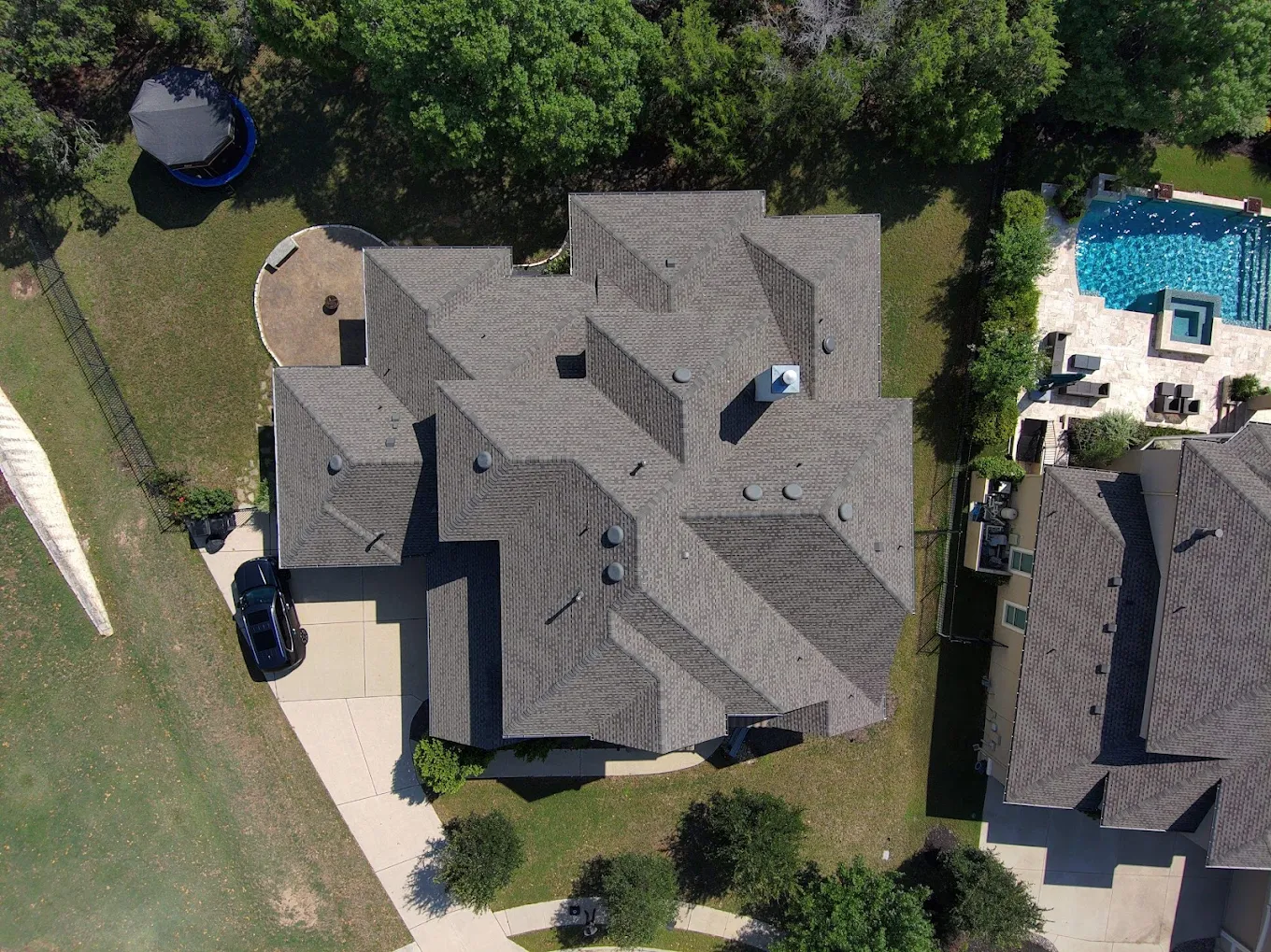
That small water stain on your ceiling or the few shingles you found in the yard can quickly lead to big questions about your budget. While it’s tempting to hope for a small, inexpensive fix, it’s smarter to be prepared for a more significant project. The final major roof repair cost depends on much more than what you can see from the ground. This guide explains how professionals assess damage, what factors like roof pitch and materials mean for your wallet, and when a repair makes more sense than a full replacement. We’ll equip you with the right questions to ask so you can move forward with a clear plan.
When you discover a problem with your roof, one of the first questions that comes to mind is, "How much will this cost?" The answer isn't always straightforward, as roof repair costs can range from a few hundred dollars to several thousand. While many homeowners spend between $1,500 and $3,000 for common fixes, a major problem like a significant leak or structural issue could push that figure closer to $6,000. These wide ranges can feel overwhelming, but they don't have to be.
Understanding what drives these costs is the first step toward making a confident, informed decision without feeling pressured. Instead of getting stuck on a single number, it’s more helpful to learn the difference between minor and major issues, how the type of damage affects the price, and why your roofing material matters so much. Having this knowledge will equip you to properly evaluate quotes from contractors and ensure you’re paying a fair price for high-quality work that truly solves the problem. Let's break down what really goes into that final number so you can move forward with clarity.
It’s important to distinguish between a small fix and a significant repair. Minor repairs usually address isolated problems, like replacing a few missing shingles or sealing a loose vent pipe. These jobs are typically quick and cost between $600 and $2,000. They are essential for maintenance but don't usually involve widespread or structural work.
Major repairs, on the other hand, tackle more extensive issues. This includes fixing significant leaks, addressing widespread storm damage, or repairing the underlying roof decking. These projects are more complex and can range from $1,500 to over $6,000. A small leak that’s been ignored can easily turn into a major repair, which is why catching problems early is key to managing costs.
The specific type of damage is a huge factor in your final repair bill. While a simple fix might only cost a few hundred dollars, more complex problems come with a higher price tag. For example, patching a small hole is a relatively low-cost job. However, repairing a significant roof leak often requires more investigation to find the source and fix any resulting water damage, pushing costs into the $800 to $4,000 range. Widespread damage from a storm, like replacing multiple sections of shingles and flashing, will naturally cost more than a single, isolated repair.
The type of roofing material on your home directly impacts repair costs. Some materials are simply more expensive and require more specialized labor to fix. Asphalt shingles, the most common material in Houston, are generally the most affordable to repair, with costs often falling between $5 and $12 per square foot.
In contrast, materials like metal or tile are more durable but also more costly to work with. Repairing a metal roof can range from $8 to $20 per square foot due to the specialized skills and tools required. If you have a slate or tile roof, expect costs to be on the higher end, as these materials are heavy, fragile, and require an expert touch to repair correctly.
When you receive a quote for a major roof repair, the final number can feel like a mystery. The truth is, several key variables influence the price. Understanding what goes into a repair estimate helps you see why one roofer’s quote might differ from another and ensures you’re paying a fair price for the right work. It’s not just about patching a hole; it’s about addressing the full scope of the problem to protect your home long-term. Let's break down the main factors that determine the cost of your repair.
The single biggest factor driving your repair cost is the extent of the damage. A few missing shingles after a storm is a relatively straightforward fix, but a major leak that has compromised the underlying structure is a different story. While typical repairs can range from $1,500 to $3,000, significant issues can push costs higher. For example, if water has been seeping in for a while, it may have caused the wooden decking beneath your shingles to rot. Addressing that underlying structural damage is much more involved than simply replacing shingles, and the final price will reflect that.
The physical characteristics of your roof also play a major role in the final cost. A larger roof requires more materials and labor hours to repair, which naturally increases the price. The complexity and pitch, or steepness, of your roof are also important. A steep roof requires specialized safety equipment and more time for roofers to work securely, which adds to labor costs. Similarly, a roof with multiple valleys, dormers, and angles is more complex to work on than a simple, flat roof. Easy access to the roof is another consideration; if crews can’t park their vehicles nearby, the extra labor to move materials will be factored into the quote.
Just like with any professional service, labor rates for skilled roofers vary by location. In a major metropolitan area like Houston, the cost of labor will be different than in a small rural town. These rates are based on local market demand, the cost of living, and the availability of experienced roofing crews. Additionally, your municipality may require permits for certain types of roofing work. The cost of pulling these permits and ensuring the repair meets local building codes is another expense that gets included in your final estimate. This is a standard part of any legitimate roofing repair project.
One of the most frustrating parts of a roof repair can be the surprise costs that pop up after the work has already started. What looks like a small stain on your ceiling could be a sign of a much larger problem hiding in your attic. Once a roofer pulls back the shingles, they might find extensive rot, saturated insulation, or even mold growth. These issues must be addressed before the repair can be completed, and they can add thousands to the final bill. This is why an accurate, technology-driven inspection before work begins is so important. It helps identify potential hidden water damage upfront, giving you a clear and complete picture of the project scope from the start.
Knowing when your roof needs more than a minor fix can feel like a guessing game. While some issues are hidden, others send clear signals that it’s time to call a professional. Spotting these warning signs early helps you address problems before they turn into a full-blown crisis, saving you from more extensive damage and higher costs. If you notice any of the following issues, your roof is likely telling you it needs significant attention.
That brown spot on your ceiling is more than an eyesore; it’s a direct message from your roof that water is getting in. Interior water damage, whether it shows up as stains on walls, peeling paint near rooflines, or an active drip, is one of the most urgent signs of a roof leak. Even a small leak can saturate insulation, rot wooden framing, and create the perfect environment for mold to grow. To prevent widespread issues, it’s critical to address the source of the leak quickly. The EPA provides a helpful guide to mold and moisture that explains the risks and how to manage them in your home.
From the ground, look at the lines of your roof. Are they straight, or do you see a dip, curve, or saddleback in the ridgeline? A sagging roof is a serious red flag that points to underlying structural failure. This often means the decking is deteriorating or, in worst-case scenarios, the rafters or trusses that support the entire roof are weakened or broken. This is not a cosmetic issue; it’s a safety hazard that requires immediate evaluation from a qualified professional. A compromised structure can’t properly support the weight of the roof, especially during heavy rain or high winds. You can learn more about what inspectors look for with this roof inspection guide from the International Association of Certified Home Inspectors.
Your shingles are your roof’s primary shield against the elements. When they start to fail on a large scale, your home is left vulnerable. Take a walk around your property and look for widespread shingle damage. Are large patches of shingles missing, cracked, or curling at the edges? These are signs that the shingles have reached the end of their functional life and can no longer keep water out. Another key indicator is finding excessive shingle granules, which look like coarse black sand, in your gutters or on the ground. These granules protect the shingle from UV rays, and their loss means the shingle will deteriorate quickly. The Asphalt Roofing Manufacturers Association offers resources to help homeowners identify when to replace their roof.
Understanding the potential costs of major roof repairs helps you plan and budget effectively, removing the sticker shock that often comes with an unexpected quote. While every roof is different, most major repairs fall into a few common categories. The final price depends on the extent of the damage, the materials used, and the complexity of your roof. Here’s a breakdown of what to expect for some of the most frequent issues homeowners face.
A roof leak is one of the most urgent repairs you can face. The cost for roof leak repair typically ranges from $800 to $4,000. A simple fix, like sealing a vent or replacing a few shingles, will be on the lower end of that spectrum. However, if the leak has been active for a while, the cost can climb. Water-damaged decking, ruined insulation, and interior drywall repairs add significant expense. This is why catching leaks early with a thorough inspection is so important; it prevents a small problem from turning into a much larger, more expensive one.
Flashing consists of the metal strips installed around chimneys, vents, skylights, and in roof valleys to direct water away from vulnerable seams. When it fails, you get leaks. Repairing or replacing flashing generally costs between $1,000 and $2,500. While it might seem like a minor component, properly installed flashing is absolutely critical to your roof’s long-term health. Cutting corners here is a recipe for future water damage, so this is one repair where quality workmanship is essential for protecting your home. An expert assessment can determine if a simple reseal will suffice or if a full replacement is necessary.
In areas like Houston, storm and wind damage are common culprits behind major roof repairs. Costs typically run from $1,200 to $4,000 for issues like replacing large sections of blown-off shingles or repairing damage from hail. If a tree or large limb falls on your roof, the cleanup and structural repairs can push the cost even higher. Keep in mind that emergency repairs after a major storm can cost more due to high demand. Getting a clear, unbiased assessment of the damage is key to ensuring you only pay for what truly needs to be fixed.
Structural damage is often the result of prolonged water exposure from an old leak or widespread rot in the roof deck. This is one of the most serious and costly types of roof repair because it compromises the very framework of your roof. Costs can vary dramatically based on how much of the structure needs to be rebuilt. Repairing rotted decking or replacing compromised rafters requires extensive labor and materials. An accurate diagnosis is critical here, as a simple visual inspection might not reveal the full extent of the problem hidden beneath the shingles.
Deciding between a major repair and a full replacement is one of the biggest financial questions a homeowner can face. The right answer isn't always obvious and often depends on more than just the immediate cost. Making a confident choice requires a clear look at your roof's age, the extent of the damage, and your long-term goals for your home. Instead of relying on guesswork, you can use a few key guidelines to determine whether a targeted fix or a fresh start makes more sense for your investment.
The 50% rule is a financial guideline used in the roofing industry to help homeowners weigh the cost of repairs against a full replacement. The rule suggests that if the cost to repair your roof is 50% or more of the cost of a brand-new roof, replacement is likely the more sensible long-term investment. While it’s not a strict law, it’s a practical benchmark. Pouring a significant amount of money into an old or failing system often leads to more repairs down the road. This guideline helps you avoid that cycle and put your money toward a solution that offers lasting value and peace of mind.
Your roof’s age is one of the most critical factors in the repair-or-replace equation. Most asphalt shingle roofs are designed to last between 20 and 25 years. If your roof is less than 10 years old and has isolated damage, a repair is almost always the right call. However, if your roof is over 15 years old and is starting to show widespread issues, replacement becomes a serious consideration. An older roof that needs frequent repairs is signaling that it’s nearing the end of its functional life. Understanding the expected lifespan of different roofing materials can help you set realistic expectations for your own.
Opting for a repair is the best choice when the damage is limited and your roof is still relatively young. A professional repair can extend your roof's life for many more years without the expense of a full replacement. Think of it like fixing a flat tire instead of buying a whole new car.
Common situations where repair is ideal include:
In these cases, a targeted fix addresses the problem directly and restores your roof's integrity, making it a smart and cost-effective decision.
Replacement becomes the most logical option when your roof is old, the damage is widespread, or you’re facing constant repair calls. While the upfront cost is higher, a new roof is a long-term solution that protects your entire home. You should lean toward replacement if you notice extensive granule loss across your shingles, widespread curling or cracking, or significant sagging. A new roof also comes with modern benefits, like improved energy efficiency from new materials and a fresh warranty. Investing in a replacement stops the cycle of costly repairs and provides reliable protection for decades to come.
A detailed estimate is more than just a price tag; it’s a roadmap for your repair project. It provides a clear, transparent breakdown of the work to be done, the materials required, and the costs involved. Without one, you’re left guessing about what you’re paying for. A professional contractor will always provide a comprehensive written estimate because it builds trust and sets clear expectations from the start, ensuring there are no surprises down the line. This document is your best tool for comparing offers and making a confident, informed decision for your home.
A trustworthy estimate breaks everything down into line items. You should see a clear separation between labor and material costs, not just a single lump-sum price. For materials, this includes the type and quantity of shingles, underlayment, flashing, and sealants. For labor, it should outline the specific tasks, like removing damaged shingles or replacing decking. Since the average cost to repair a roof can vary so widely depending on the job, this itemized list is the only way to understand exactly where your money is going. It allows you to see if the costs are reasonable and ensures you aren't being overcharged for materials or labor.
Knowing what to look for in an estimate is just as important as knowing what should be there. Be cautious of any quote that is significantly lower than others. While saving money is great, unusually cheap prices often point to subpar materials or rushed work, which can lead to failed repairs and more expenses later. Another major red flag is a vague proposal with a single, all-in price. If a contractor can’t explain the costs, they may be hiding something. Also, be wary of high-pressure sales tactics or a contractor who pushes for a full replacement when the damage might not warrant it. A professional should provide data and evidence to support their recommendations.
A verbal agreement or a handshake is not enough when it comes to your home. A written estimate is a professional document that holds the contractor accountable for the price and scope of work they promised. For any significant project, it's wise to get several quotes to compare your options fairly. Beyond the estimate, always ask about the warranty. Reputable roofers provide a workmanship warranty, which covers installation errors, in addition to the material warranty from the manufacturer. This guarantee shows that the contractor stands behind their work and gives you long-term peace of mind, protecting your investment long after the job is complete.
Facing a major roof repair can feel overwhelming, but you have more control over the final cost than you might think. While some expenses are fixed, strategic planning and proactive steps can lead to significant savings without cutting corners on quality. The key is to shift from a reactive mindset to a proactive one. By understanding how the roofing industry operates and making informed decisions, you can protect both your home and your budget. These practical tips will help you manage repair costs effectively, ensuring you get the best value for your investment.
The most effective way to save money on roofing is to prevent small issues from becoming large, expensive problems. We recommend having your roof professionally inspected at least once a year and after any severe weather event. Regular inspections catch minor damage, like a few loose shingles or failing sealant around a vent, before it leads to a major leak or structural issue. An early, accurate diagnosis of your roof's condition allows for targeted, affordable repairs, extending the life of your roof and delaying the need for a costly replacement. This preventative approach is the single best investment you can make in your roof's long-term health.
If a professional inspection reveals several small areas of concern, it’s almost always more cost-effective to address them all at once. Labor and setup fees make up a significant portion of any roofing bill. When you hire a contractor, you’re paying for their travel time, equipment setup, and on-site expertise. By bundling multiple repairs into a single visit, you maximize their efficiency and avoid paying those fixed costs for each separate job. Ask your roofer to perform a thorough walk-through and consolidate all necessary fixes into one work order to save on overall labor costs.
For any repair projected to cost more than a few thousand dollars, gathering two to three quotes is standard practice. However, don't just compare the final price. A low bid isn't a good deal if it's based on inferior materials or an incomplete scope of work. Insist on a detailed, itemized estimate from each contractor that breaks down the costs for materials, labor, and permits. This transparency allows you to make a true apples-to-apples comparison and helps you spot any red flags, like a contractor who is vague about the materials they plan to use. A clear written estimate is the foundation of a successful project.
Before you even suspect a problem, take the time to understand what your homeowner's insurance policy covers. Most policies will help cover damage from sudden, accidental events like wind, hail, or a fallen tree. However, they are unlikely to cover issues caused by normal wear and tear or a lack of maintenance. Knowing your deductible and the specifics of your coverage helps you set realistic expectations and plan your finances. If you need to file a claim, having clear, data-driven documentation from a professional inspection can make the process smoother and increase your chances of approval.
Roofing is a seasonal business. Demand spikes in the spring and summer and immediately following major storms, when contractors are at their busiest. If your repair isn't an emergency, you may find better pricing and more flexible scheduling by booking the work during the off-season, typically in the late fall or winter. With less demand for their services, some contractors may offer more competitive rates to keep their crews working. This strategy requires planning ahead, but the potential savings and increased contractor availability can make it well worth the wait for non-urgent repairs.
When it comes to your roof, what you don’t know can definitely hurt your wallet. Misconceptions about roof repairs are common, and they often lead homeowners to make reactive, expensive decisions. Believing these myths can turn a manageable issue into a costly catastrophe. The key to protecting your home and your budget is to separate fact from fiction. By understanding the truth behind these common myths, you can approach repairs with confidence and make choices based on clear, accurate information, not pressure or assumptions.
The idea of grabbing a ladder and some sealant to fix a leak yourself is tempting, but it rarely delivers the long-term savings you expect. Professional repairs might seem more expensive upfront, but they are designed to last. An improper DIY patch often fails quickly, leading to recurring leaks and more significant water damage inside your home. Plus, climbing on a roof is risky without the right safety equipment and training. You could also accidentally void your roof’s warranty by performing unapproved work. Investing in a professional ensures the job is done correctly and safely, saving you from costlier fixes down the road.
Many homeowners assume their insurance policy is a safety net for any and all roof problems, but coverage is more specific than you might think. Most policies cover damage from sudden, accidental events like hail, wind, or a fallen tree. However, they typically exclude issues caused by normal wear and tear, old age, or a lack of maintenance. Whether your insurance covers a roof repair depends entirely on the cause of the damage. Before you file a claim, review your policy to understand what’s covered and what’s not. This will save you time and help you set realistic expectations.
Ignoring a roof problem is one of the most expensive mistakes a homeowner can make. Unlike fine wine, roof issues do not get better with age. That small, dark spot on your ceiling is a warning sign, and waiting to address it allows moisture to seep into your attic, rot the roof decking, and create a welcoming environment for mold. A problem that might have been a simple flashing repair can quickly escalate into a major structural issue requiring thousands of dollars to fix. Acting quickly is the best way to contain the damage and keep repair costs from spiraling out of control.
It’s easy to assume that widespread shingle loss or a significant leak automatically means you need a full roof replacement, but that’s not always true. While a replacement is the right call for a roof that is sagging or past its functional lifespan, many forms of major damage can be resolved with targeted repairs. With precise diagnostics, a professional can identify the exact failure points and restore the roof’s integrity without tearing everything off. A thorough roof inspection is the only way to know for sure, allowing you to make a decision based on data, not a sales pitch for a new roof you may not need.
Let’s be honest: most homeowners aren't roofing experts. When you get a repair quote, it’s hard to know if the recommended work is truly necessary or just an upsell. This is where a precise, data-driven diagnosis becomes your most powerful tool. Before you commit to a contract, you need to know exactly what is wrong, where the problem is, and what it will take to fix it correctly. An assumption-based estimate leaves you vulnerable to paying for work you may not need, while a detailed diagnostic report gives you the facts.
The difference between a minor fix and a major overhaul often comes down to a few hundred or even thousands of dollars. With average repair costs varying so widely, a vague diagnosis can lead to a bloated quote. A proper inspection, however, pinpoints the exact source and extent of the damage. This allows a contractor to create a surgical repair plan, ensuring you only pay for the labor and materials required to solve the specific problem, nothing more.
More importantly, accurate diagnostics help you avoid future financial headaches. Spotting roof damage early can prevent a small, manageable issue from spiraling into a costly disaster. A few damaged shingles might seem minor, but if left unaddressed, they can allow water to penetrate the roof decking, leading to rot, mold, and interior leaks. A thorough assessment identifies these risks before they escalate, turning a potential $4,000 structural repair into a simple $500 fix.
Finally, a detailed diagnostic report provides the clarity needed to make the critical decision between repair or replacement. If an inspection reveals that damage is widespread or the roof is nearing the end of its functional life, investing in a series of expensive repairs may not be the wisest financial move. An accurate assessment gives you the complete picture, empowering you to weigh the long-term value and make a confident, informed choice that protects your home and your budget.
My roof is over 15 years old but only has one small leak. Should I just repair it? This is a common dilemma, and the answer depends on a few things. While a simple repair is tempting, an older roof with even a small leak can be a sign that the materials are beginning to fail system-wide. Consider the 50% rule: if the repair cost approaches half the price of a new roof, replacement is often the smarter long-term investment. A thorough inspection can determine if the leak is an isolated issue or a symptom of broader decline, giving you the data to decide if you're patching a problem or just delaying a necessary replacement.
Why can't I get a simple price estimate over the phone? A price given over the phone is just a guess. The true cost of a repair depends on factors that can only be seen up close, like the exact source of a leak, the condition of the underlying decking, and the complexity of your roof's structure. A vague quote often leads to surprise costs later. A professional needs to perform an on-site diagnosis to give you an accurate, itemized estimate that reflects the real scope of work, ensuring you only pay for what truly needs to be fixed.
What is the most common mistake homeowners make that leads to expensive repairs? The most costly mistake is waiting to address a problem. A small issue, like a few cracked shingles or a minor stain on the ceiling, is easy to ignore, but it rarely stays small. Procrastination allows water to cause hidden damage over time, turning a simple fix into a major structural problem involving rotted wood and mold. Acting quickly at the first sign of trouble is the single best way to contain the damage and keep repair costs manageable.
How can I tell if a repair quote is fair and not just a lowball offer? A fair quote is a transparent one. Look for a detailed, written estimate that breaks down the costs for both labor and materials, rather than a single lump-sum price. Be cautious of quotes that are significantly lower than others, as this can indicate subpar materials or rushed work. A trustworthy contractor will provide a clear scope of work, explain their recommendations, and offer a workmanship warranty without using high-pressure tactics.
If my roof was damaged in a storm, will my insurance automatically cover the repair? Not necessarily. Homeowner's insurance typically covers damage from sudden events like wind or hail, but it generally excludes problems resulting from old age or lack of maintenance. Coverage depends entirely on the cause of the damage. Before filing a claim, it's helpful to review your policy and get a professional inspection to document the source and extent of the damage. This provides clear evidence to support your claim.
Roofing Resources


