Home
Home
Services
Services

Resources
Resources
Storm Restoration
Storm Restoration
Roof Systems
Roof Systems
Locations
Locations
Learn the hurricane roof preparation Houston homeowners need: pre-storm inspection checklists, storm damage types, post-storm steps, and insurance claims.
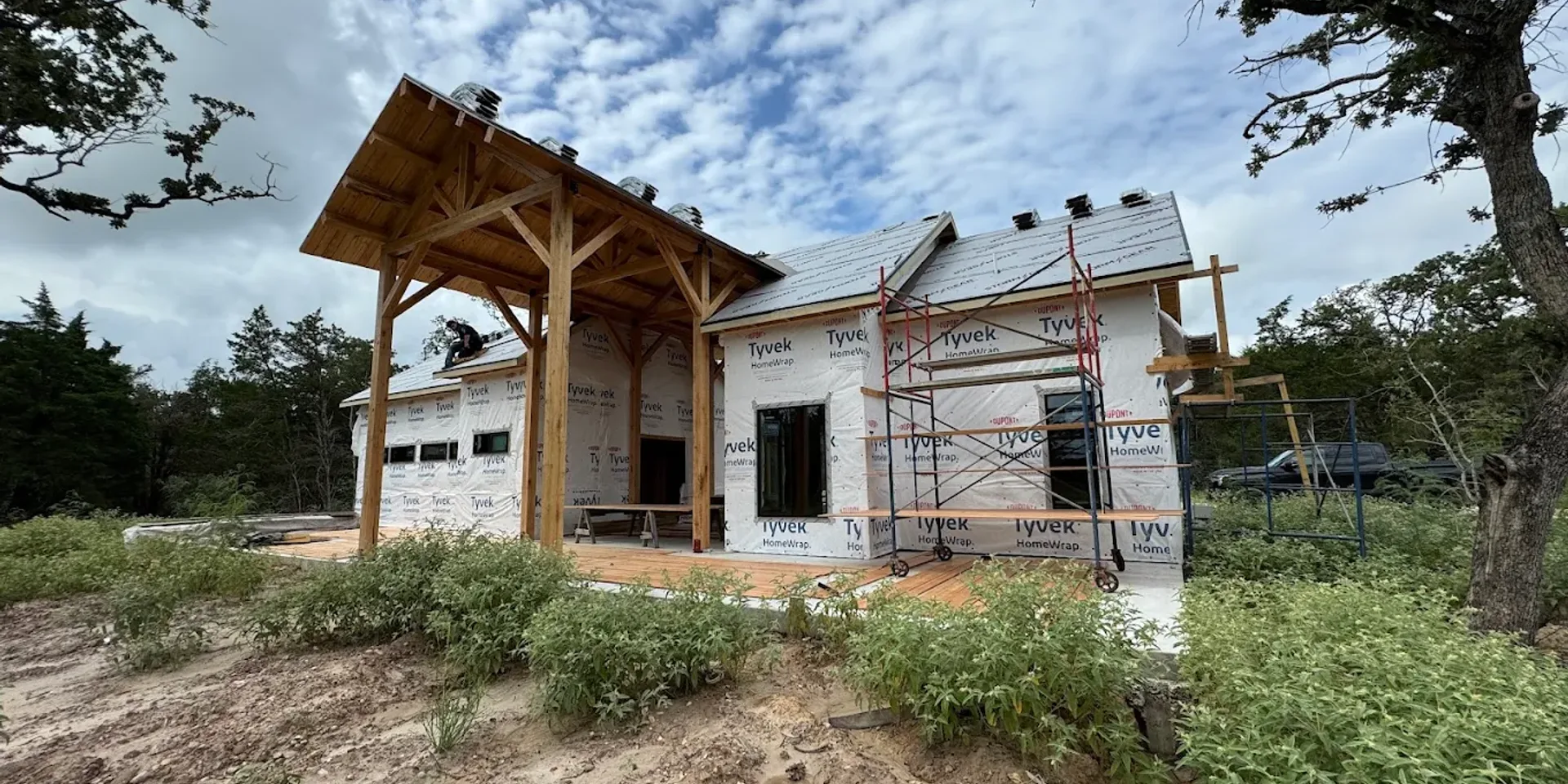
Houston hurricane preparation starts before a storm enters the Gulf. Wind, flying debris, heavy rain, and inland tornadoes can expose small roof weaknesses that are difficult to see from the ground. A seasonal inspection gives you time to separate routine maintenance from conditions that need attention.
Effective hurricane roof preparation Houston homeowners can rely on combines a pre-season inspection, cleared drainage paths, secured outdoor items, and documented evidence of the roof's condition.
After a storm, the goal is not to assume damage or dismiss it. It is to identify what changed, protect the home from further exposure, and preserve clear records for informed repair and insurance decisions. Understanding why hurricane conditions stress Houston roofs differently is the first step.
Hurricanes stress Houston roofs through a combination of high winds, heavy rain, storm surge, inland tornadoes, and flying debris. Those forces can act together, turning small weaknesses into water entry points or visible damage.
The Atlantic hurricane season runs from June 1 through November 30. Houston is inland, but that does not remove the need for thoughtful roof preparation. Hurricane hazards can extend far from the coast. Heavy rainfall, strong winds, storm surge, and tornadoes may all affect inland communities. The National Weather Service and emergency management guidance at Ready.gov treats these as connected storm risks, not isolated coastal concerns.
Routine weathering usually develops gradually. Shingles lose flexibility, flashing can separate, and sealants may weaken over time. A hurricane adds concentrated force. Wind can press against roof edges, lift vulnerable materials, and move branches or other objects across the roof surface. Rain then tests every seam, penetration, and drainage path while the storm is active.
Houston homes also face local combinations of high winds, debris impact, and water accumulation. These conditions can worsen existing roof issues that were not causing trouble during ordinary rainfall. A loose shingle may become a missing shingle. A small flashing gap may become an active leak. Blocked drainage can leave water standing where the roof was designed to shed it.
That interaction is why smart storm preparedness starts with understanding the roof's current condition. Preparation is not only about checking a list of exterior tasks. It is about identifying vulnerabilities, documenting what is already working, and separating maintenance needs from storm-related damage.
A clear baseline makes later decisions more useful. Homeowners can compare pre-storm photos or inspection findings with post-storm evidence. They can also prioritize repairs based on condition rather than assumptions. This education-first approach supports practical preparation without fear or manufactured urgency.
The three most common types of hurricane roof damage are wind uplift, flying debris impact, and water intrusion. These problems can occur separately, but they often overlap. A weakened shingle can lift during high winds, debris can break the roof surface, and heavy rain can then enter through the opening.
For homeowners, identifying the damage type helps determine what to look for and what information to document. The goal is not to diagnose structural conditions from the ground. Instead, use visible clues to decide when a professional inspection is appropriate.
| Damage type | How it occurs | Signs homeowners can spot | Why it matters |
|---|---|---|---|
| Wind uplift | High winds exploit existing vulnerabilities and pull at shingle edges, tiles, flashing, or other roof components. | Raised or missing shingles, displaced tiles, lifted flashing, exposed underlayment, or roof materials in the yard. | Wind-lifted shingles or tiles can create openings that allow water to penetrate the roof deck. Moisture may then damage insulation, ceilings, framing, or interior finishes. |
| Flying debris impact | Loose outdoor items, branches, and other debris strike the roof surface during strong winds. | Cracked or bruised shingles, broken tiles, punctures, dents, damaged vents, or visible branches on the roof. | An impact may break the roof covering or damage a protective component without creating an immediate indoor leak. Unaddressed openings can worsen with later rainfall. |
| Water intrusion | Rain enters through displaced materials, damaged flashing, blocked drainage paths, or existing weak points. Heavy water accumulation can worsen those issues. | Water stains, damp insulation, bubbling paint, dripping after rainfall, musty odors, or overflowing gutters and roof drainage areas. | Water can travel away from the original entry point and affect ceilings, walls, electrical components, and structural materials. A small visible stain may not show the full extent of the issue. |
Houston homeowners should also remember that hurricane hazards are not limited to coastal properties. High winds, heavy rainfall, debris, and inland tornadoes can affect homes well away from the coast. Ready.gov identifies wind damage and other hurricane hazards as risks requiring preparation. Review that public safety guidance alongside a roof-specific assessment.
Effective hurricane roof preparation in Houston connects visible warning signs with documented inspection findings. If you notice possible damage, avoid climbing onto the roof yourself. Photos from safe ground-level locations, followed by a professional inspection, provide a clearer basis for deciding whether monitoring, temporary protection, or repairs are appropriate.
A complete pre-hurricane roof inspection checklist should cover the roof surface, drainage, surrounding trees, loose outdoor items, and documented baseline conditions before a storm arrives.
Atlantic hurricane season runs from June 1 through November 30, so Houston homeowners should prepare before that window rather than waiting for a storm forecast. Use the following checklist as a practical starting point, then address any defects with a qualified roofing professional.
Preparation is not about assuming damage will occur. It is about identifying manageable issues, reducing avoidable impact risks, and creating a factual record of the roof's condition before severe weather.
A tarp is a temporary protective cover that limits water intrusion until professional repairs begin.
Tarping can be appropriate after a storm blows off shingles, damages flashing, or creates an active roof leak. It is emergency mitigation, not a repair. A properly secured cover can reduce additional water exposure while you arrange an inspection and determine the correct repair plan.
A standard poly tarp may provide short-term coverage over a small, accessible area. A repair tarp is designed for more durable temporary protection and may include reinforced edges or attachment points. Weighted or secured tarps use boards, straps, or other methods to hold the material in place without relying on exposed fasteners alone.
The right option depends on the roof design, damage location, slope, wind conditions, and expected time before repairs. A tarp should extend beyond the damaged area and direct water away from the opening. It must also remain secured as conditions change.
Start with safety. Do not walk on a wet, unstable, or visibly damaged roof. Do not climb onto a steep slope, work near damaged electrical components, or attempt tarping during active wind, lightning, or heavy rain. A fall can create a more serious emergency than the original roof damage.
Professional assessment should follow temporary protection as soon as conditions allow. When shingles lift, water can reach the roof deck, where continued exposure may worsen structural damage. Houston storms can also combine wind, debris impact, and water accumulation, making the visible opening only part of the problem.
An inspection can identify hidden damage, document affected areas, and distinguish storm-related issues from older conditions. That record supports an informed repair decision and may provide useful evidence for a potential insurance claim. For the next steps, review the storm restoration process and arrange a professional evaluation before removing or replacing temporary protection.
After a storm, stay off the roof, document visible signs from the ground, and schedule a professional inspection to uncover hidden damage.
Houston homeowners should treat the post-storm inspection as a safety and documentation process, not an invitation to climb onto wet roofing. Hurricane hazards can reach inland areas, including heavy rain, high winds, flooding, and tornadoes. Damage may therefore appear well away from the coast. Debris impact and standing water can also worsen weaknesses that existed before the storm.
Wait until conditions are stable. Do not approach a roof near downed power lines, exposed electrical equipment, unstable trees, or active flooding. Wet shingles, moss, metal components, and roof surfaces can become dangerously slippery. A roof that looks intact may still have loose materials or weakened decking beneath the surface.
If water is entering the home, move valuables away from the affected area when it is safe. Place a container beneath active drips, but avoid opening ceilings or walls around wet electrical fixtures. Contact the appropriate emergency service when electrical hazards are present.
Walk around the property and observe the roof from several angles. Use binoculars if needed, but do not use a ladder to reach damaged areas. Look for:
Photograph each visible issue from a safe position. Include wider images showing the property and closer images showing the specific condition. Note when you first observed the damage and whether interior symptoms appeared after rainfall.
A ground-level review cannot confirm whether water reached the roof deck, insulation, or framing. Wind can disturb a shingle seal without creating an obvious missing-shingle pattern. Small cracks, lifted edges, punctures, and flashing failures may remain invisible from the yard. Continued water accumulation can then turn a minor weakness into an active leak.
A qualified inspector can evaluate roof planes, penetrations, drainage paths, and related exterior components without asking homeowners to take unnecessary risks. AI-powered and drone-assisted diagnostics can help identify micro-damage that is difficult to see with the naked eye. A documented report also creates a clearer record of observed conditions for planning and potential insurance discussions.
For a structured response, review the storm restoration process after completing your initial safety check. The goal is to separate immediate hazards from conditions that can be monitored, documented, and addressed through an informed repair plan.
Document hurricane roof damage thoroughly with dated photos, written notes, receipts, and a professional inspection report so your claim is supported by clear evidence.
Begin documentation only when conditions are safe. Do not climb onto a wet or visibly unstable roof after a storm. From the ground, photograph the entire roofline, gutters, vents, flashing, siding, windows, and nearby debris. Take closer images of lifted shingles, missing materials, punctures, stains, or displaced components when you can do so safely.
Keep the original files, and record the date and approximate time for each image. Wide shots establish where the damage is located. Close-ups show its condition. Photograph undamaged areas too, because they help create a more complete record for comparison. If possible, preserve pre-storm inspection photos or maintenance records that show the roof's condition before the event.
A simple storm damage log can make the timeline easier to understand. Note when the storm passed, what weather you observed, when you first noticed damage, and which rooms or belongings were affected. Describe water stains, active leaks, loose materials, or changes you can see without making a diagnosis. Record every temporary measure, conversation, inspection appointment, and repair recommendation.
Do not hide damage beneath a tarp before photographing it. If temporary protection is necessary to limit additional water entry, document the roof first whenever safety and weather conditions allow. Keep photographs of the exposed damage, the tarp placement, and any resulting interior conditions. Emergency mitigation may be appropriate, but rushed permanent repairs can remove evidence before the adjuster has reviewed it.
A professional roof inspection report gives an adjuster a structured record of observed conditions. It can identify the affected roof areas, describe visible damage, include photographs, and distinguish storm-related concerns from maintenance items. High winds can lift shingles or tiles, allowing water to reach the roof deck. That pathway may not be obvious from inside the home.
Documented inspection reports provide the evidence homeowners may need when discussing a post-storm claim. Ask for a report that clearly identifies observations rather than unsupported conclusions. Keep the report with your dated photographs, contractor estimates, tarp or emergency-service invoices, receipts for materials, and records of related interior damage.
2026-08-19-west-slope-lifted-shingle.jpg.For a clearer overview of the roof insurance claim process, keep your evidence organized from the first safe inspection through the final repair decision. A factual record supports a more informed review without assuming in advance what your policy will cover.
AI-powered, drone-based inspections can identify micro-damage that is invisible to the naked eye, helping homeowners address small vulnerabilities before high winds exploit them.
A visual walkaround remains useful, but it has limits. Some roof problems are too small, too elevated, or too difficult to view safely from the ground. A trained inspector may notice a displaced shingle or visible flashing gap, while subtle lifting, surface changes, or vulnerable transitions require a closer look. During hurricane season, those overlooked details can become pathways for wind and water.
Drone imaging adds a broader view without requiring someone to walk across every roof surface. The drone captures detailed images of shingles, tiles, flashing, valleys, penetrations, and other areas where roof systems change direction or material. AI-assisted analysis then helps organize those images and identify patterns that deserve professional review. The technology supports the inspection process. It does not replace experienced roofing judgment or the need to interpret findings in context.
The practical advantage is not simply having more photographs. It is having a consistent visual record tied to specific roof areas. That record can help separate normal wear from a condition that needs attention. Clarify whether a recommendation is preventive or urgent, and show which components are currently performing as expected.
This objectivity makes repair decisions easier to discuss. Instead of relying on a general statement that a roof looks vulnerable, a homeowner can review documented evidence and ask focused questions. Is a shingle loose, or is the concern limited to cosmetic wear? Is flashing open at a transition? Does a repair address a defined issue, or would monitoring be reasonable? Clear images and an explanation of the finding support a more measured decision.
Routine inspection before hurricane season can identify loose shingles and flashing gaps before they become active leaks. A pre-storm record also establishes a useful baseline. If a later inspection finds new damage, the comparison can make the change easier to understand and document.
Documented inspection reports can also provide evidence for a potential insurance claim if the roof sustains hurricane damage. They do not determine coverage, and homeowners should review their policy and follow their insurer's process. They do give the homeowner a clearer record of what was observed, where it was found, and why a repair may be recommended.
For Houston homeowners planning a free AI-powered roof inspection, the goal is not to create alarm. It is to replace guesswork with visible evidence, so preparation, repair planning, and post-storm documentation are based on the roof's actual condition.
Get clarity on your roof's condition before the next storm with a free AI-powered roof inspection.
No single roofing material guarantees storm performance. A roof with properly installed, well-maintained components, secure flashing, sound decking, and strong connections is better positioned to handle high winds. An inspection can identify vulnerabilities before weather exposes them.
A tarp may provide temporary protection when safely installed, but roof access can be hazardous after a storm. Do not climb onto a wet or damaged roof. From the ground, document visible damage and arrange a professional inspection to determine whether temporary or permanent work is appropriate.
Coverage depends on your policy, the cause of damage, exclusions, and the condition of the roof before the storm. Review your policy and contact your insurer for a coverage decision. Photos, dated observations, and a documented inspection report can help support a claim.
Yes. A pre-season inspection can identify loose shingles, flashing gaps, drainage problems, and other conditions that may become leaks during heavy wind or rain. Specialized drone inspections may also reveal small damage that is difficult to see from the ground.
Look for missing, lifted, or cracked shingles, damaged flashing, displaced vents, fallen debris, water stains, and new leaks. Some wind damage is not visible from the ground, so avoid assuming the roof is sound solely because the exterior looks normal.
A documented inspection can help you understand your roof's current condition and plan the next step with greater clarity.
Book your free AI-powered roof inspection by calling 281-841-2504.
Roofing Resources