Home
Home
Services
Services

Resources
Resources
Storm Restoration
Storm Restoration
Roof Systems
Roof Systems
Locations
Locations
Learn what a free roof inspection in Houston includes, how drone imagery supports review, and how a free report guides maintenance, repair, or replacement.
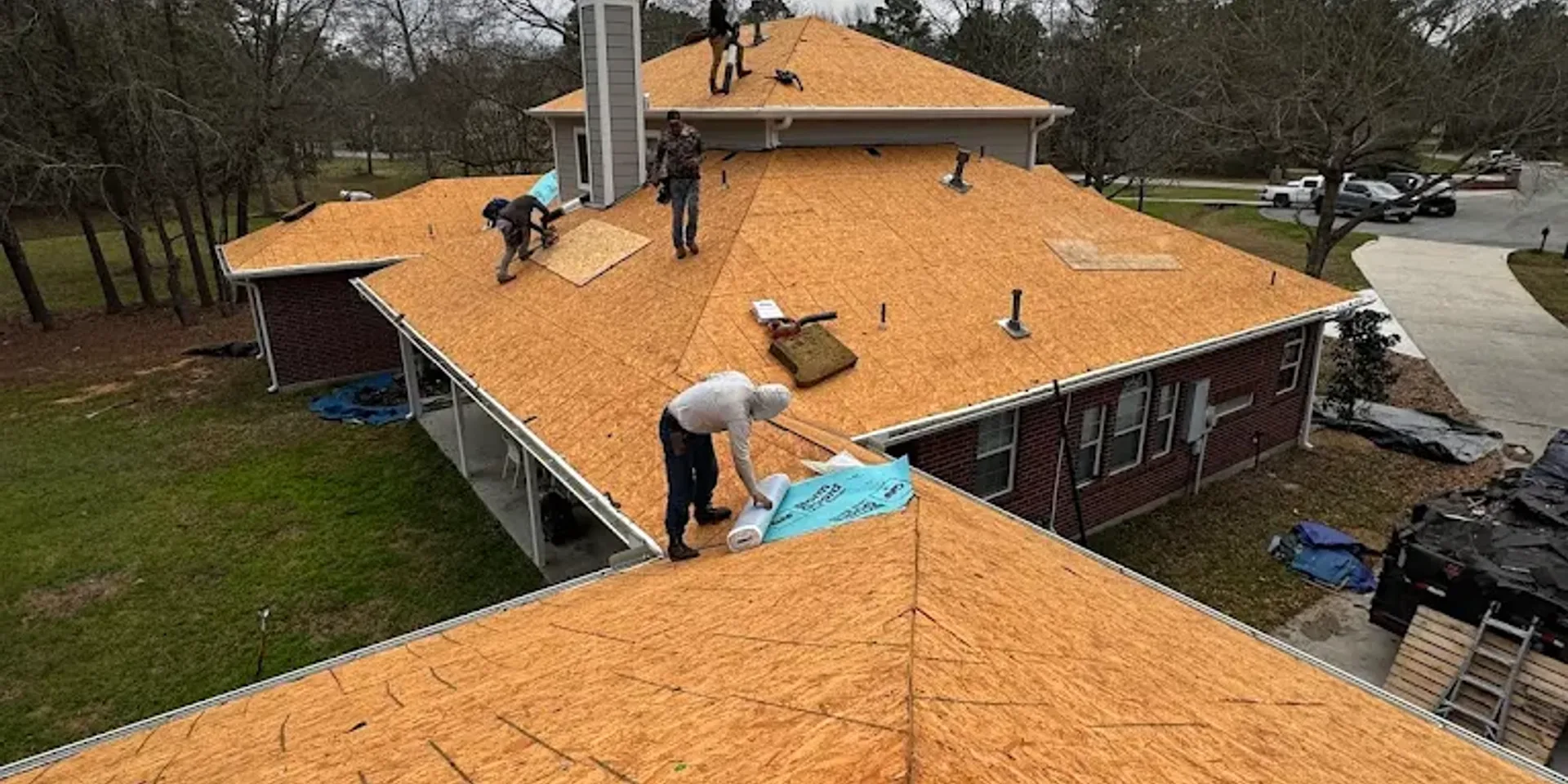
A roof can look sound from the driveway while weather exposure, aging materials, or concealed flashing problems develop above it. In Houston, aerial imagery and careful documentation can reveal conditions that are difficult to evaluate safely from the ground, giving you a clearer starting point for maintenance decisions.
Book your free AI-powered roof inspection and get clarity on your roof's condition at 281-841-2504.
A free roof inspection combines drone imagery, photo documentation, AI-supported analysis, and experienced roofing judgment to assess roof integrity, identify damage, and explain whether monitoring, repair, or replacement deserves consideration.
The goal is not to push you toward a particular project. It is to make the roof's condition easier to understand, with evidence you can review and practical next steps you can weigh. Here is what the inspection includes and how the process works from the initial visit through the completed report.
A free roof inspection includes an assessment of your roof's overall integrity, visible and documented damage, and areas that may need repair. Roofing expertise is supported by drone technology and objective analysis.
The purpose is to replace guesswork with a clearer understanding of the roof's current condition. AI Roofing combines traditional roofing knowledge with advanced technology to evaluate residential and commercial roofs. The inspection is designed to identify what is working properly, what deserves monitoring, and what may require attention.
An inspector assesses the roof's overall integrity and looks for signs of damage or deterioration. That can include conditions affecting the roof covering and details that influence how well the system protects the structure. Some concerns are not easy to see from the ground, particularly after Houston weather exposure or as a roof ages. A professional assessment helps bring those conditions into view without assuming that every roof needs immediate work.
The inspection also considers areas needing repair. Findings are documented so homeowners can understand what was observed and why a recommendation may be appropriate. The objective is not simply to identify imperfections. It is to give context around their significance and help separate a repair need from a condition that can be monitored.
Drone technology provides detailed photo documentation and objective analysis. Aerial imagery can help capture roof areas that are difficult to inspect from the ground and gives homeowners a more useful record of the observed condition. Photos and analysis support a conversation based on evidence rather than vague descriptions.
Technology supports the inspection, but it does not replace experienced professional judgment. The value comes from combining detailed documentation with roofing expertise, then explaining the findings in plain language. This approach is especially useful when a homeowner is deciding whether to maintain the roof, investigate a specific concern, or plan for work later.
For homeowners, both the inspection and the resulting condition report are offered at no charge. Free does not mean that a homeowner is automatically expected to approve repairs or replacement. It also does not mean that a roof is assumed to have a problem. The inspection and report provide information first, allowing the condition and evidence to guide the next decision.
If work is recommended, the scope should be clear and the pricing fair-market and documented. Homeowners can use the inspection findings to ask informed questions, compare the urgency of different issues, and make a pressure-free choice about what to do next. That clarity is the practical benefit of a free inspection: a documented starting point for responsible roof maintenance.
An AI-powered roof inspection combines aerial images, software-assisted analysis, and professional roofing judgment to create a documented picture of your roof's condition. The technology helps reveal patterns and hard-to-see conditions, but it supports an experienced review rather than replacing it. The process is designed to give Houston homeowners useful evidence before they decide whether to monitor a condition, schedule a repair, or plan for replacement.
Here is what typically happens from the first request through delivery of the inspection report:
This approach turns a roof visit into an evidence-based assessment. You can use the report to ask focused questions, document the property's condition, and choose a reasonable next step based on the roof's actual needs.
Before and during a free roof inspection, the process combines aerial imaging, close review of visible roof components, and professional analysis to document the roof's current condition.
Houston roofs deal with intense sun, heavy rain, wind, and other severe weather exposure. Age also matters. A roof can appear acceptable from the driveway while weather or normal aging has affected areas that are difficult to see from the ground. An inspection creates a documented starting point, whether you noticed a concern or simply want better information about an important home investment.
Before the visit, think about what you want the inspection to answer. You may want to know whether a recent storm caused damage, whether a recurring interior stain relates to the roof. Or whether an older roof needs attention now or can be monitored. Share those questions with the roofing professional. They help focus the review on the observations that matter most to your home and your decision.
During the inspection, drone technology captures detailed aerial images of the roof. This provides photo documentation and objective analysis while giving the professional a broader view of the roof surface. You can learn more about the method in this guide to AI-powered drone roof inspection technology.
The review goes beyond looking for an obvious missing shingle. The inspection process considers overall integrity and examines components such as:
The images and observations are interpreted with roofing expertise. AI and aerial tools support the process, but the technology does not replace professional judgment. The goal is an accurate, transparent view of what is working, what deserves attention, and what questions may need follow-up. That evidence gives you a clearer basis for deciding what to do next, without assuming every observed condition requires immediate work.
A roof inspection report shows documented roof conditions, areas of concern, recommended next steps, and how soon each issue deserves attention. It turns inspection observations into information you can use, whether you are planning maintenance, evaluating storm-related damage, or deciding whether a larger project needs further discussion.
The report is built around evidence rather than a vague overall grade. Detailed photographs can show the condition of visible roof surfaces and help connect a recommendation to a specific location. A professional assessment also considers the roof's overall integrity, damage, and areas that may need repair. Drone technology supports detailed photo documentation and objective analysis, while experienced roofing professionals interpret what the images mean for the property. Learn more about the inspection process.
Photos give you a clearer record of what was observed during the inspection. Instead of relying only on a verbal explanation, you can review documented conditions and ask focused questions about the findings. The assessment may identify areas that appear to be functioning properly, conditions that should be watched, and visible concerns that warrant a closer look or corrective work.
This distinction matters in Houston, where climate, roof age, and severe weather can contribute to damage that is not obvious from the ground. A clear report helps separate normal wear from a condition that may affect the roof's performance. It also creates a useful reference for future maintenance conversations and property decisions.
Not every observation requires the same response. A useful report should help you understand the difference between:
These categories support a measured decision. They are not a substitute for professional judgment, and they should not be used to create artificial pressure. The purpose is to show what matters now, what can wait, and what is currently working properly.
When corrective work is appropriate, the report can guide the next step by identifying the relevant area and the type of response to consider. Repair recommendations are documented with a clear scope and fair-market pricing. This gives you a basis for comparing the recommended work with your maintenance priorities without publishing unsupported prices or assuming that every roof needs replacement.
AI Roofing offers inspection scheduling within 24 hours, and the free reports are delivered within 48 hours. Those timeframes help homeowners move from uncertainty to a documented understanding of the roof's condition while keeping the decision process informed and pressure-free.
The inspection report should connect documented roof conditions to the least extensive option that reasonably protects the home: monitor and maintain. Repair a defined issue, or plan for replacement when the roof's condition is broadly compromised.
A recommendation should not be based on one isolated mark or a generalized statement about roof age. It should reflect the roof's overall integrity, the location and extent of observed damage, and whether the condition can be addressed without creating a larger problem. Detailed photos and objective analysis make that reasoning easier to review with a roofing professional.
| Path | When it may fit | What to expect next |
|---|---|---|
| Monitor and maintain | The roof is functioning, with conditions that do not currently require corrective work. | Keep the findings for your records, watch the identified areas, and follow a practical inspection and maintenance cadence. |
| Repair | Damage or a localized defect is documented, but the surrounding roof remains suitable for continued service. | Review a defined scope, confirm the affected areas, and address the documented issue without expanding the project unnecessarily. |
| Replacement | The inspection indicates widespread deterioration or an overall condition that makes isolated repairs an incomplete solution. | Review a replacement scope, materials, project expectations, and a fair-market proposal based on the home's specific needs. |
Monitoring is not the same as ignoring a roof. It is an active plan for a roof that is currently performing, or for a condition that can be observed safely over time. The report should identify what to watch and explain which changes would justify another evaluation. This approach can be appropriate when findings are limited, the roof's integrity remains sound, and there is no documented reason for immediate corrective work.
Homeowners can use the inspection documentation as a baseline. If a later inspection shows that a condition has changed, the photos and prior notes help distinguish a new development from an issue that was already present.
A useful repair recommendation is specific enough for a homeowner to understand the problem and the proposed response. It should identify the affected area, describe the work needed, and make clear whether other components require attention. AI Roofing documents recommended repairs with a clear scope and fair-market pricing, without relying on hidden fees or vague allowances.
That evidence-based scope supports a pressure-free decision. Homeowners can ask what the repair is intended to correct, what happens if it is deferred, and whether the surrounding materials remain in serviceable condition. If a defined issue needs work, review AI Roofing's roof repair service after examining the documented assessment.
Replacement becomes a consideration when the inspection shows that problems are broad, recurring, or connected to the roof system's overall condition rather than one repairable location. The report should explain that conclusion with photos and observations, not pressure or an unsupported deadline. A replacement discussion should cover the scope, materials, preparation, ventilation or flashing considerations when relevant, and how the work will be managed.
The goal is clarity. Whether the appropriate path is maintenance, repair, or replacement, the inspection should give you enough documented information to choose the next step with confidence. If the report indicates broad deterioration, AI Roofing's roof replacement service can be the next conversation.
The best time to schedule a free roof inspection is when you notice a possible problem. After severe weather, before a real estate transaction, or as part of a regular maintenance routine. A roof can look sound from the ground while developing conditions that deserve professional review. So timing the inspection around observable changes and major property decisions can provide useful clarity.
Water stains on ceilings or walls, active leaks, damp attic areas, or visible moisture near roof penetrations are good reasons to arrange an inspection. The inspection can help identify whether the issue involves the roof covering, flashing, ventilation, or another part of the building envelope. Missing, lifted, or damaged shingles also warrant a closer look, especially if the condition was not present during your last inspection.
These signs do not automatically mean the roof needs to be replaced. A documented assessment can separate a localized repair from a condition that requires broader planning. That distinction helps you decide what to address now, what to monitor, and what may be functioning properly.
Houston weather can expose roofs to wind, heavy rain, hail, and repeated moisture. Schedule an inspection after a significant storm if you notice new leaks, stains, displaced shingles, damaged metal, or debris impact. You can also request a review when the roof appears unchanged but the storm was severe enough to justify documenting its condition. Early detection can help prevent a small problem from becoming a larger home-maintenance issue over time.
Roof age is another practical scheduling factor. Older roofing materials may benefit from more consistent condition checks, even when there is no visible symptom. If you are buying or selling a home, an inspection can provide objective documentation for planning, negotiations, maintenance decisions, or conversations with other professionals. Investors and property managers can use the findings to organize maintenance across a portfolio.
For a broader explanation of the automated roof assessment benefits, review how documented imagery and analysis can support informed property decisions.
For Houston homeowners, an annual or biennial inspection is a practical cadence for staying informed about changing roof conditions. Annual reviews may make sense for older roofs or properties with more exposure, while a biennial schedule may suit a roof recently documented in good condition. Treat that interval as a planning guideline, not a universal rule. New symptoms, severe weather, or an upcoming transaction should take priority over the calendar. For routine upkeep between assessments, see AI Roofing's roof tune-up service.
Before a free roof inspection, make a short list of concerns, gather any useful property records, and prepare questions about the evidence and recommended next steps.
Preparation does not require technical roofing knowledge or a special checklist. Start by noting anything you have observed, such as a ceiling stain. A leak that appears only during heavy rain, missing or damaged shingles, granules in gutters, or changes around flashing and vents. Include when you noticed the issue and whether it has changed. Even details that seem minor can help the inspection stay focused.
Gather records if they are readily available. Useful documents may include a previous inspection report, repair or maintenance invoices, warranty information, or notes and photos from a recent storm. These records can provide context about the roof's history. They are not a substitute for the inspection, and you do not need to delay scheduling while looking for them.
It is also helpful to identify your decision goal. You may want to understand whether a concern needs prompt attention, determine whether maintenance is sufficient. Plan for a future project, or document the roof's condition before selling or buying a property. Sharing that objective helps keep the discussion relevant without assuming that a repair or replacement is necessary.
Bring questions that help you understand the findings rather than simply asking whether the roof is "good" or "bad." For example:
Photo documentation and objective analysis can make the report easier to review after the visit. A clear conversation should connect each observation to its significance and explain the available next steps. AI Roofing's pressure-free, advisor-style approach is designed to help homeowners make an informed decision based on documented conditions, not urgency or assumptions.
Get clarity before you decide: book your free AI-powered roof inspection at 281-841-2504.
A professional inspection assesses the roof's overall integrity, visible damage, and areas that may need repair. AI Roofing combines roofing expertise with drone imagery, photo documentation, and objective analysis to make findings easier to understand.
Houston weather, roof age, and severe storms can create damage that is difficult to see from the ground. An inspection helps identify conditions early so you can decide whether to monitor the roof, address a repair, or plan for replacement based on documented evidence.
AI Roofing offers inspection scheduling within 24 hours and delivers free inspection reports within 48 hours. The report is designed to clarify the roof's condition, recommended next steps, and which findings require attention first.
It provides evidence to support that decision, but the recommendation depends on the roof's observed condition and remaining service needs. Repair recommendations are documented with a clear scope and fair-market pricing, while a roof that is functioning properly may simply need monitoring.
For Houston homeowners, an annual or biennial inspection is a practical maintenance cadence, especially after significant weather or when a roof is aging. The right interval can also depend on the roof's condition, recent events, and your plans to sell or purchase the property.
A documented inspection can help you understand what is working, what may need attention, and which decisions can reasonably wait. You will have clear information to support your next step, without pressure.
Book your free AI-powered roof inspection today at 281-841-2504.
Roofing Resources