
Home
Home
Services
Services

Resources
Resources
Storm Restoration
Storm Restoration
Roof Systems
Roof Systems
Locations
Locations
March 8, 2026
Get clear answers on the cost of shingle roof replacement, including price factors, shingle options, and tips to plan your roofing project with confidence.
Guides
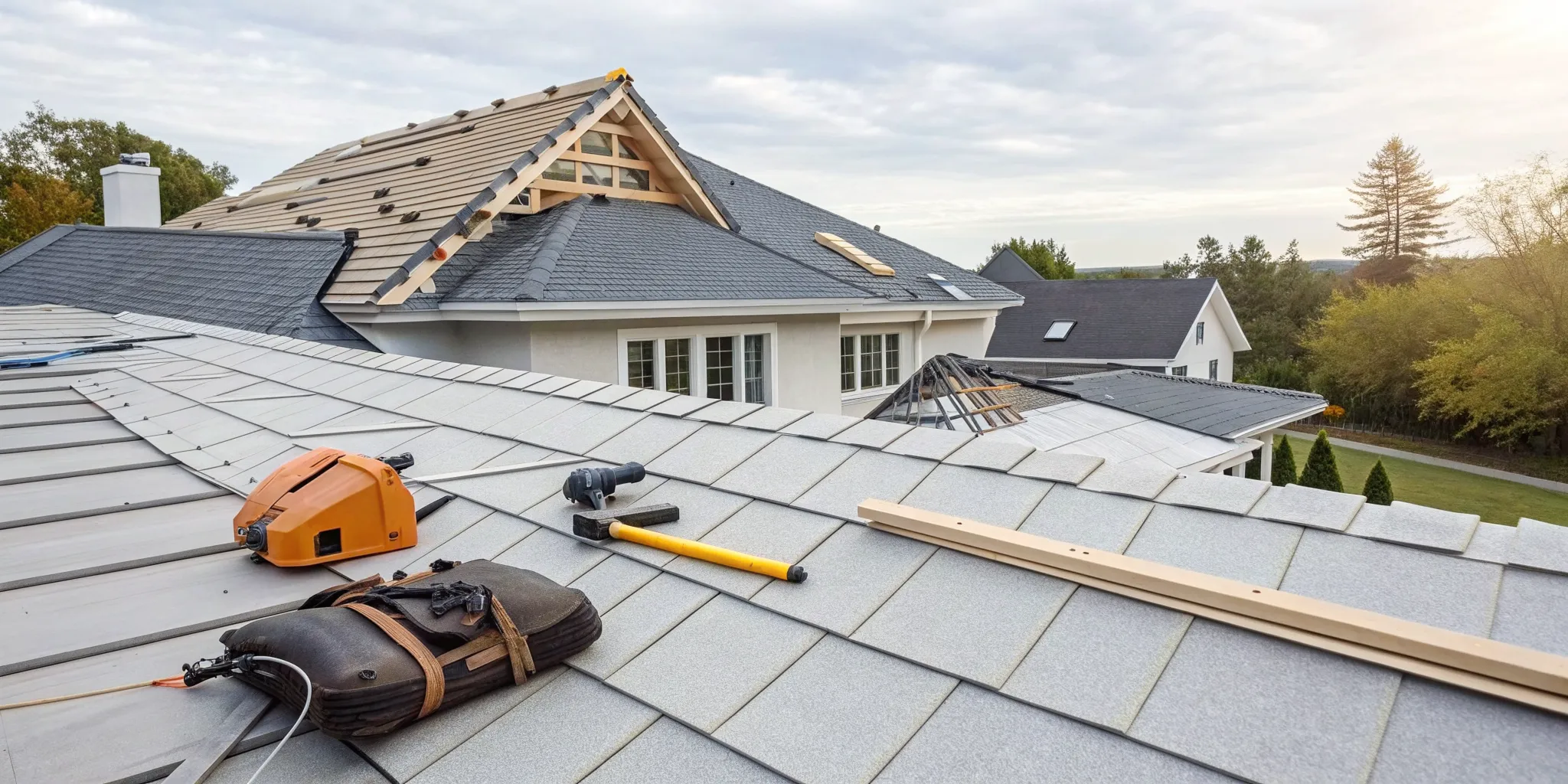
Trying to get a straight answer on roofing costs can feel frustrating. You know it’s a big expense, but vague estimates and high-pressure sales tactics leave you feeling uncertain. You’re looking for facts, not a sales pitch, especially when it comes to your home. Understanding the real cost of shingle roof replacement is about more than just a final number; it’s about knowing what you’re paying for and why. This article is designed to give you that clarity. We’ll walk through the specific factors that determine your final price, from shingle quality to labor rates, so you can feel confident, compare quotes intelligently, and choose a solution that truly protects your investment.
Let's get straight to the point. Replacing your roof is a significant investment, and you deserve a clear answer on what to expect. For a standard-sized home, most homeowners in the Houston area can anticipate paying between $5,000 and $10,000 for a full shingle roof replacement. While that’s a broad range, a typical project often lands near the $10,000 mark. This gives you a solid baseline to start with as you begin planning and budgeting for your project.
To get more specific, it helps to look at the price per square foot. Most quality roof replacements fall somewhere between $4 and $11 per square foot. This figure usually includes not just the new shingles but also the labor, removal and disposal of the old materials, and other essential components. The total cost to replace roof shingles can vary widely based on the materials you select and the unique features of your home’s roofline, like its pitch and the number of valleys or dormers.
So, what causes that price to swing from one end of the spectrum to the other? Several key factors influence your final quote. The exact size and complexity of your roof, the quality of the shingles you choose, and local labor rates all play a major role. Understanding these variables is the first step toward getting an accurate estimate that you can feel confident about, without any sales pressure or guesswork. We believe in giving you the facts so you can make an informed decision that’s right for your home.
When you get a quote for a new roof, you’re not just looking at a single price tag. You’re seeing a number that reflects a combination of specific, measurable factors unique to your home. Understanding what goes into that final cost is the first step toward making a confident, informed decision without feeling pressured. It helps you compare quotes accurately and see exactly where your money is going.
Think of it less like buying a product off the shelf and more like commissioning a custom project. Every roof has its own set of requirements, from its basic dimensions to the specific materials you choose for both performance and curb appeal. Local labor rates and even the time of year you schedule the work can influence the price. By breaking down these key components, you can get a much clearer picture of the investment you’re making and ensure you’re getting true value for your home.
The most straightforward factor is your roof's square footage. As you’d expect, bigger roofs require more materials and more labor hours to complete, which drives up the cost. But size is only part of the story. The complexity of your roof's design plays an equally important role. A simple, flat roof is much easier to work on than one with a steep pitch. Steeper roofs are more difficult and dangerous for crews to work on, which naturally increases labor costs. Features like dormers, valleys, skylights, and chimneys also add complexity, requiring more detailed work and specialized materials to ensure everything is sealed correctly.
The materials you select are a major variable in your total project cost. Asphalt shingles come in a wide range of styles and price points, giving you control over both the look and the budget. For instance, basic 3-tab asphalt shingles are the most affordable option, while premium architectural or luxury shingles offer enhanced durability and a more dimensional appearance at a higher price. Industry data shows that roofing shingle prices can vary dramatically, with luxury options costing more than three times as much as standard ones. Your choice here is a balance between your aesthetic goals, long-term performance expectations, and your budget.
Where you live has a direct impact on your roof replacement cost. Labor is a significant part of the final bill, often making up 40% to 60% of the total roof cost. These rates can vary quite a bit by region, with labor in major metropolitan areas typically costing more than in rural communities. Beyond wages, your location also determines the cost of permits, local taxes, and fees for disposing of old materials. A professional contractor will factor all of these local requirements into your quote, so you won’t be caught off guard by hidden expenses down the line.
Believe it or not, seasonality can affect your roofing quote. Late summer and fall are typically the busiest seasons for roofers, as homeowners rush to get projects done before winter. Higher demand can sometimes lead to higher prices and longer wait times. If your roof replacement isn't an emergency, you might find more competitive pricing by scheduling the work during a slower period, like late winter or early spring. The main trade-off is weather. Unpredictable conditions can cause delays, but the potential savings can be worth it if you have a flexible timeline.
The type of shingle you choose is one of the biggest factors in your total roof replacement cost. It influences not just the upfront price but also your home's curb appeal, energy efficiency, and long-term durability. Think of it as choosing the right armor for your home; some options are more economical, while others offer premium protection and style. To help you make a clear, informed decision, let's break down the costs and benefits of the most common shingle types.
If budget is your primary concern, 3-tab asphalt shingles are the most economical option. These shingles have a flat, uniform appearance and are made from a single layer of material, making them lightweight and easy to install. They are a straightforward, reliable roofing solution. You can expect the total installation price to average between $3.70 and $8.75 per square foot. While their lifespan is shorter, typically 15 to 20 years, they provide solid protection for the price, making them a popular choice for rental properties or budget-conscious homeowners.
Architectural shingles, also known as dimensional shingles, are the most popular choice for homeowners today. Constructed with multiple layers of asphalt, they have a richer, textured look that adds significant curb appeal. This layered design also makes them more durable and weather-resistant than 3-tab shingles. The installed cost for architectural shingles generally ranges from $5.50 to $12.25 per square foot. With a longer lifespan of 25 to 30 years and better warranties, many homeowners find their superior performance and curb appeal a worthwhile investment for their long-term peace of mind.
For top-of-the-line performance and a standout aesthetic, premium and luxury asphalt shingles are the answer. These are the heaviest and most durable asphalt shingles available, designed to replicate the high-end look of slate or cedar without the associated cost and maintenance. They come in a wide variety of unique shapes and colors, allowing you to make a significant design statement. Installation costs for these high-end shingles typically fall between $12.50 and $15.50 per square foot. In return, you get a roof with an exceptional lifespan, superior protection, and a custom look that can enhance your home's value.
While asphalt is common, other materials offer unique benefits in durability and style. If you're exploring alternatives to asphalt, it's helpful to know how their costs compare.
When you receive a roofing estimate, the cost of the shingles is just one piece of the puzzle. A thorough, transparent quote will also account for several other essential services and potential repairs needed to do the job right. Understanding these items ahead of time helps you create a realistic budget and ensures there are no surprises along the way. These aren't "hidden fees" but rather integral parts of a high-quality roof replacement that protects your home for the long haul. From removing the old materials to addressing the structure underneath, let's walk through the other costs you should anticipate.
Before new shingles can go on, the old ones have to come off. This process, known as a tear-off, involves labor and responsible disposal of the old materials. Factoring in between $1,000 and $5,000 for this step is a safe bet for most homes. A professional contractor will handle the entire process, ensuring your property stays clean and that all debris is removed according to local regulations. Skipping this step by layering new shingles over old ones can hide underlying issues and shorten the lifespan of your new roof, so a complete tear-off is almost always the best approach for a lasting result.
Most cities and counties, including Houston, require permits for a roof replacement to ensure the work complies with local building codes. The cost for a permit typically runs between $250 and $500. Some projects may also require a formal inspection, which can add around $200. While it might seem like just another line item, this is a critical part of the process. A permit ensures your contractor is accountable and that the installation meets established safety standards. This is essential for protecting your home, your insurance coverage, and your overall investment in the property.
Sometimes, what lies beneath the old shingles needs attention. Once the roof is stripped, your contractor might find rotted or damaged plywood on the roof deck. This is a common issue, especially if you had leaks for a while. Replacing damaged sections is non-negotiable for a stable and secure new roof. Depending on the extent of the damage, these repairs can add anywhere from a few hundred to several thousand dollars to the final cost. A data-driven inspection can often spot potential problem areas beforehand, giving you a clearer picture of what to expect and minimizing surprises during the project.
A roof is a complete system, and its supporting parts are just as important as the shingles. During a replacement, it’s the perfect time to assess and update components like flashing (the metal strips around chimneys and vents), vents, and gutters. Damaged flashing is a primary cause of leaks, so replacing it is a smart move. If your contractor finds unexpected issues like rotten fascia boards or damaged flashing, it could add $1,000 to $5,000 or more to the project. Addressing these elements at the same time is far more cost-effective than paying for separate repairs down the line.
A roof replacement is a significant investment, but that doesn’t mean you have to overpay. Saving money isn’t about finding the cheapest materials or cutting corners on labor. It’s about making smart, strategic decisions that give you the best possible value for your home. With a little planning, you can manage the expense without sacrificing the quality and peace of mind you deserve. Here are a few practical ways to approach your roofing project to keep costs in check.
It’s always a good idea to get several price quotes from different licensed and insured roofing contractors. However, don’t just compare the final numbers. A trustworthy quote should be a detailed, line-item breakdown of all costs, including materials, labor, tear-off, disposal, and permits. This transparency helps you understand exactly what you’re paying for and allows you to compare apples to apples. A vague or confusing estimate is often a red flag. Look for a contractor who can clearly explain every part of the project and justify the costs with data and clear diagnostics.
Roofing has busy seasons and slow seasons. In Houston, the rush often happens after major storms or during the predictable weather of late spring and fall. If your roof replacement isn’t an emergency, you might find more competitive pricing by scheduling work during the “off-season,” which is typically late winter or early spring. Contractors are often looking to fill their schedules during these slower months. Just be mindful that winter weather can sometimes cause delays, so it’s important to build some flexibility into your timeline and discuss a contingency plan with your roofer.
While it’s tempting to choose the least expensive shingle, it’s important to think about the long-term value. Some materials cost more upfront but offer a much longer lifespan, better durability against storms, and even improved energy efficiency. For example, architectural shingles cost more than basic 3-tab shingles, but they can last decades longer and provide superior protection. Investing a little more now can save you from paying for another replacement sooner than you’d like. Ask your contractor to show you a cost-benefit analysis for different shingle options over their expected lifespans.
If your roof was damaged by a storm, your homeowner’s insurance policy may cover a portion of the replacement cost. A reputable contractor can help you document the damage and provide the necessary information for your claim. If the replacement is not covered by insurance, the total cost can still feel overwhelming. Many established roofing companies offer flexible financing options that allow you to break down the expense into manageable monthly payments. Don’t hesitate to ask about payment plans or partnerships with lenders. This can make the project much more affordable without forcing you to drain your savings.
A full roof replacement can feel like a big project, but knowing what to expect makes the process much smoother. A professional job isn’t just about tearing off old shingles and nailing on new ones. It’s a coordinated effort involving careful planning, skilled work, and clear communication. From the first inspection to the final cleanup, each phase is designed to ensure your new roof is installed correctly and safely, with minimal disruption to your life. Here’s a look at the key stages.
Everything starts with a detailed look at your current roof. A true professional won’t give you a price from the ground; they’ll get up there to understand the full picture. This assessment identifies not just obvious problems but also hidden issues like soft decking or failing flashing. A thorough professional roof inspection provides the foundation for an accurate quote. At AI Roofing, we use advanced diagnostics to document your roof’s condition, so you see exactly what we see. This step eliminates guesswork and prevents surprise costs down the road.
Once you approve the project, the work can be scheduled. For an average-sized home, a replacement typically takes a few days. However, several factors can affect this timeline. As you might expect, bigger roofs need more materials and labor, which extends the project. The biggest variable is often the weather, since crews can’t safely work in rain or high winds. Another common delay is discovering unexpected structural damage after the old shingles are removed. A great contractor will build some buffer into the schedule and keep you informed, so you’re never left wondering what’s happening.
When the crew arrives, their professionalism should be clear. A safe worksite is a top priority, both for the workers and your property. Look for proper safety gear and measures to protect your home, like tarps over your landscaping. This is why hiring an experienced team is so important. A DIY approach might seem tempting, but it often leads to poor results and voided warranties. You’re paying for expertise, and that includes ongoing quality checks. A reputable roofer inspects the work at each stage, ensuring every layer is installed correctly, from the decking to the final shingle.
Choosing the right materials for your roof is only half the battle; selecting the right contractor is just as critical. This is the team you’re trusting to protect your home, so their expertise, process, and professionalism matter immensely. A great contractor acts as a partner, guiding you with clear information and quality workmanship. A less-than-great one can lead to costly mistakes and future headaches. To make a confident choice, focus on three key areas: their inspection process, their professional credentials, and their communication style.
A modern, trustworthy contractor should base their recommendations on facts, not just a quick look from the ground. Look for a company that uses a data-driven inspection process to give you a complete picture of your roof’s health. This means using technology to gather objective information, providing you with detailed photos, and explaining exactly what they find and why it matters. This approach removes the guesswork and sales pressure. While it’s always smart to get multiple price quotes, a data-backed proposal allows you to compare what is actually needed, not just a bottom-line number. This ensures you’re paying a fair price for work that is truly necessary.
Before you sign any contract, do your homework. A reputable roofing contractor must be licensed to work in your area and carry full insurance. This isn't just a formality; it protects you. Ask for proof of general liability insurance, which covers any damage to your property, and worker's compensation, which covers their crew in case of an injury on your property. Beyond the paperwork, check their reputation. Look for established companies with positive online reviews and a strong local presence. It’s also a good idea to ask if they use their own dedicated crews or subcontract the work, as in-house teams often provide more consistent quality and accountability.
A vague estimate is a major red flag. Your contractor should provide a detailed, itemized proposal that clearly outlines every aspect of the project. This document should break down the costs for materials, labor, removing old shingles, and disposal fees. Make sure to ask if permit costs are included in the estimate, as these can be an unexpected expense. Finally, be sure you understand the warranties. You should receive a manufacturer’s warranty for the shingles themselves and a separate workmanship warranty from your contractor that covers the installation. Clear communication and transparent pricing are signs of a professional you can trust to do the job right.
Thinking about a new roof purely in terms of cost misses the bigger picture. A roof replacement is one of the most significant investments you can make in your home, and it pays you back in ways that go beyond just keeping the rain out. When you look at it from a financial perspective, a new roof can protect your home's structure while also improving its market value and energy efficiency. It’s less of a simple expense and more of a strategic upgrade to your most important asset.
A new roof is a powerful selling point. For potential buyers, it represents security and peace of mind, assuring them they won’t face a major replacement project right after moving in. This confidence often translates directly into a higher resale value. In fact, a new asphalt shingle roof can provide a 60% to 70% return on your investment when it’s time to sell. Beyond the numbers, a fresh, modern roof significantly improves your home’s curb appeal, making a strong first impression that can set your property apart from others on the market.
Your roof plays a huge role in your home's insulation and energy consumption, especially in a climate like Houston’s. Older, worn-out shingles absorb and transfer more heat, forcing your air conditioning to work overtime. Modern roofing materials, particularly architectural or premium shingles, are designed with better reflective properties to keep your attic and home cooler. Choosing shingles that are well-suited for our weather can lead to noticeable long-term savings on energy bills. While higher-quality materials may have a greater upfront cost, their superior performance and durability often save you more money over the life of the roof.
Why can't I just install new shingles over my old ones? While layering new shingles over an old roof might seem like a good way to save money, it's a risky shortcut. This practice adds significant weight to your home's structure and can trap heat and moisture, which shortens the lifespan of your new shingles. Most importantly, it prevents a proper inspection of the underlying roof deck, meaning serious issues like rot could be covered up instead of fixed. A complete tear-off is the professional standard for ensuring a secure, long-lasting result.
How do I know if my homeowner's insurance will cover my roof replacement? Coverage really depends on your specific policy and what caused the damage. Generally, insurance covers damage from sudden events like hail or wind, but not issues that come from normal aging or a lack of maintenance. The best first step is to get a professional inspection to document the cause and extent of the damage. This detailed report provides the clear evidence you'll need when you contact your insurance agent to discuss a potential claim.
What happens if you find unexpected damage after you start the work? This is a common concern, and a professional contractor will have a clear process for it. While a thorough initial inspection helps minimize surprises, some issues like rotted decking can stay hidden until the old shingles are removed. If this happens, the crew should stop work immediately, show you the problem with clear photos, and explain the necessary repairs. They will then provide a formal change order detailing the additional cost for your approval before any extra work begins.
Do I need to replace my entire roof if only one small area is leaking? It depends on the overall age and condition of your roof. If your roof is fairly new and the damage is isolated, a targeted repair might be the perfect solution. However, if the shingles are old, brittle, or showing widespread wear, a single leak is often a symptom of a larger system failure. Simply patching an old roof can be a temporary fix that leads to more problems down the road. A detailed assessment can help you decide which approach offers the best long-term value.
How long will the actual roof replacement process take? For an average-sized home, the on-site work from tear-off to final cleanup typically takes just a few days. The exact timeline can be affected by the size and complexity of your roof, and of course, the weather. For safety reasons, crews cannot work in rain or high winds, which can cause delays. Your contractor should provide a clear project schedule before they start and keep you updated on their progress each day.
Roofing Resources


