Home
Home
Services
Services

Resources
Resources
Storm Restoration
Storm Restoration
Roof Systems
Roof Systems
Locations
Locations
Get a clear breakdown of the cost to fix emergency roof leak issues, including common repair prices, hidden fees, and tips for choosing a reliable roofer.
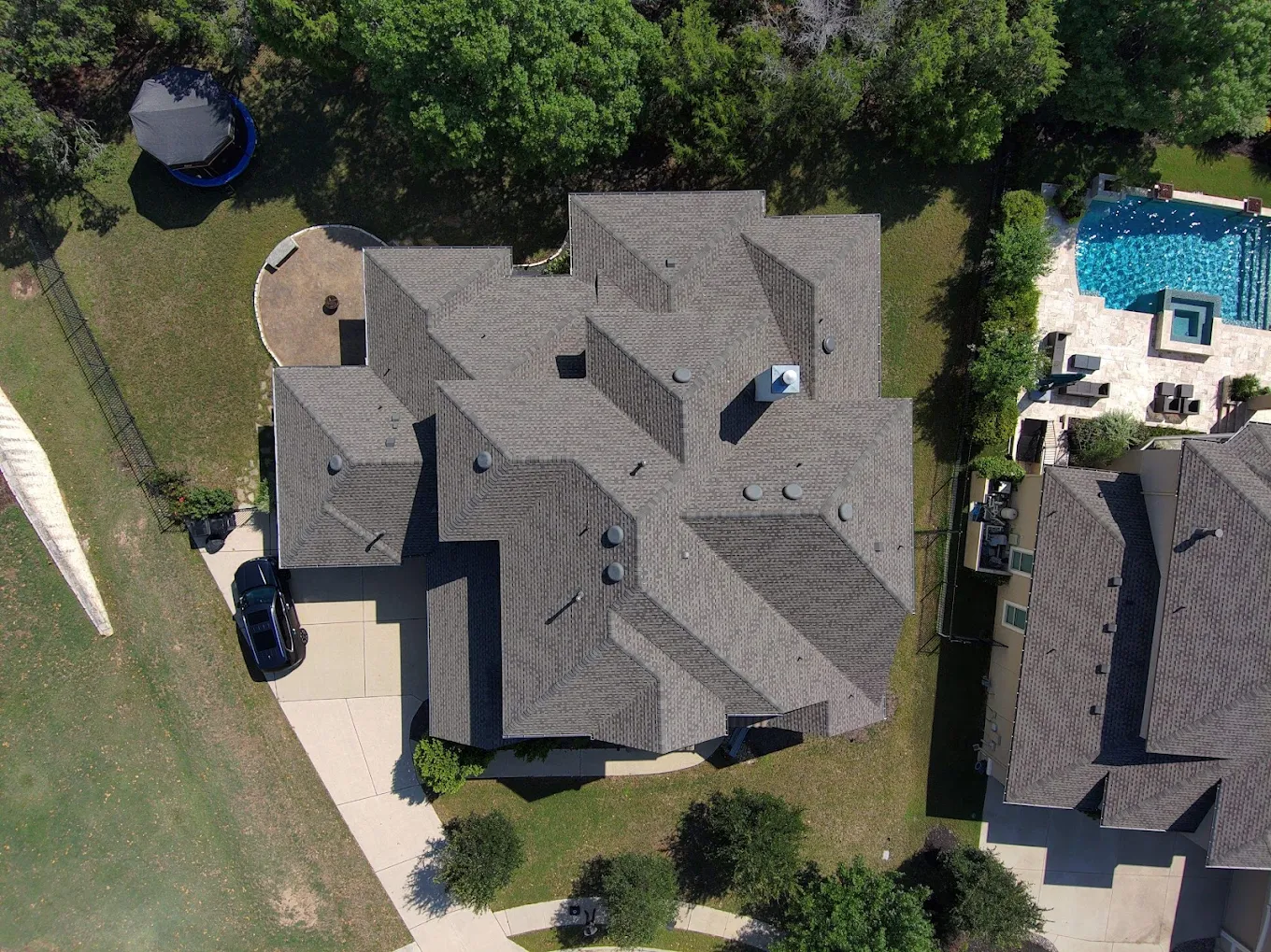
The sound of a drip in the middle of the night is one of the worst sounds a homeowner can hear. After the initial panic, the next logical question is, "How much is this going to cost?" The cost to fix an emergency roof leak can feel unpredictable, but it’s based on clear, definable factors. This guide removes the guesswork. We will walk you through everything that influences the final bill, including why after-hours calls cost more, how your roofing materials affect the price, and the hidden expenses like interior damage and mold remediation that can follow a leak.
When you discover a leak in your roof, your first thought is probably about how to stop the water. Your second is almost always about the cost. Emergency roof repairs are an unexpected expense, and the final price tag can depend on several factors. Understanding the typical costs and what drives them can help you feel more in control during a stressful situation. Here’s a straightforward look at what you can expect to pay for an emergency roof leak repair and why some services come at a premium.
The cost to fix a roof leak can range from a few hundred to several thousand dollars. For minor issues, like sealing a vent or replacing a handful of shingles, you might pay between $150 and $450. Moderate leaks involving damaged flashing or a larger problem area often fall in the $500 to $800 range. If the damage is extensive and affects the underlying structure, costs can climb to $1,500 or more. While every situation is unique, these figures give you a general baseline for what to anticipate before a professional provides a detailed assessment and quote.
Emergency repairs are more expensive because of the urgent nature of the service. Calling a roofer for immediate help, especially after business hours or on a weekend, means mobilizing a crew at a moment's notice. This premium for rapid response typically adds an extra $200 to $500 to the final bill. While you can't schedule an active emergency, this highlights the value of addressing smaller, non-urgent issues during regular business hours. A small repair today can prevent a costly emergency call tomorrow, saving you both money and stress.
When you get a quote for an emergency roof repair, the final number can feel a bit like a mystery. But it isn't arbitrary. Several key factors determine the cost, and understanding them helps you know exactly what you're paying for. A transparent contractor should walk you through these details, but having this knowledge beforehand puts you in a much stronger position. From the type of damage to the pitch of your roof, here’s a breakdown of what drives the price of a repair.
The extent of the damage is the biggest factor in your final bill. A few missing shingles after a storm is a relatively simple and inexpensive fix. However, if water has been seeping in for a while, the problem is likely much bigger than what you see on the surface. Costs climb when a repair involves more than just the top layer of your roof. If a roofer discovers rotted wood in the decking or damage to the underlying structural supports, the job becomes more complex and labor-intensive, which is reflected in the price.
The materials on your roof have a major impact on repair costs. Asphalt shingles are the most common and generally the most affordable to repair. Other materials, however, require more expertise and specialized equipment. If you have a tile, metal, or slate roof, you can expect to pay more for a fix. These premium materials demand a higher level of skill to repair correctly without causing more damage. A roofer with the right experience will have the specialized tools and skills needed, but that expertise comes at a higher price point.
Where the leak is located and how hard it is to reach directly influences the cost. A leak on a low-slope, single-story roof is straightforward for a crew to access. But if your roof is steep, tall, or surrounded by obstacles like large trees or tight property lines, the job gets more complicated. Roofers will need extra safety equipment and more time to set up and perform the repair safely. This increased risk and labor time means repairs on second or third stories, or on roofs with difficult access, can cost significantly more than a simple, easy-to-reach job.
When you call for help matters. An emergency repair outside of standard business hours, like on a weekend or overnight, will almost always include a premium fee. Crews must be available to respond immediately, and that availability comes at a cost. You can often save money by scheduling non-urgent repairs in advance. Demand also plays a role. During Houston’s storm season, roofing contractors are incredibly busy. This high demand can lead to longer wait times and higher prices, so addressing issues during calmer weather is always more cost-effective.
Labor is a major component of any repair quote, and rates can vary based on your location. In the Houston area, the cost of labor is influenced by regional demand, the availability of skilled roofers, and local business expenses. Generally, you can expect to pay a standard hourly rate for scheduled work and a higher rate for emergency call-outs. It’s important to get a detailed estimate that separates the cost of materials from the cost of labor, so you can see exactly how much you’re paying for the roofer’s time and expertise.
When you spot a water stain on your ceiling, your first thought is probably, "How much is this going to cost?" While every leak is unique, understanding the typical price range for common issues can give you a clearer financial picture and help you plan your next steps. The final bill will always depend on factors like the severity of the damage, your specific roofing materials, and how difficult the leak is to access. However, knowing the ballpark figures helps you prepare and spot an estimate that seems way off base. Think of these numbers as a starting point for your budget.
A thorough, data-driven inspection is the only way to get a precise quote tailored to your home's specific needs, which is why we focus on providing clear diagnostics before talking numbers. An honest roofer will always explain why a repair costs what it does, connecting the price directly to the work required. Below, we’ll walk through some of the most frequent types of roof leaks and their associated repair costs. This information is designed to empower you, so you can feel more confident and informed when you make that call to a professional and evaluate the quotes you receive. No one likes financial surprises, especially during a stressful home repair.
The rubber boots or "collars" that seal around the pipes and vents on your roof are frequent culprits for leaks. Over time, sun exposure and weather can cause the material to crack and deteriorate, breaking the watertight seal. This is one of the most common and, thankfully, most affordable repairs. Fixing a leaking pipe boot typically costs between $150 and $400, with an average price around $275. It’s a straightforward job for a professional, but it’s crucial to address it quickly. Even a small leak here can let water seep into your attic, leading to bigger problems down the road.
High winds, hail, or even just age can cause shingles to crack, curl, or blow off your roof entirely, leaving the underlayment exposed to the elements. Replacing a few missing or damaged shingles is a common repair needed to protect your home from water intrusion. The cost for this type of fix generally falls between $200 and $500, with a typical homeowner paying around $350. The price can vary depending on how well the new shingles match your existing ones and the extent of the damage. Addressing this promptly maintains your roof's first line of defense and prevents more widespread issues.
Flashing is the thin metal material installed where your roof meets a vertical surface, like a chimney, wall, or dormer. Its job is to direct water away from these vulnerable joints. When flashing rusts, comes loose, or is installed incorrectly, it creates a direct path for water to get in. Repairing or replacing failed flashing is more involved than fixing a shingle, with costs ranging from $300 to $800 and an average of about $500. Because these leaks often occur at critical intersections, ensuring the flashing is properly sealed is essential for your roof's long-term health.
Skylights are a wonderful source of natural light, but they also add another potential entry point for water. Leaks can develop from a cracked pane, degraded seals, or improper flashing around the frame. Because they require careful work to diagnose and reseal, skylight leak repairs can range from $300 to $900, with an average cost of $550. It’s important to hire a contractor who understands how to properly integrate a skylight with the roofing system to ensure a lasting fix and prevent recurring issues with moisture and drafts.
Valleys are the "V" shaped channels where two sloping roof planes meet, and ridges are the horizontal peaks. These areas handle a large volume of water runoff, making them critical points on your roof. Damage here, whether from failed flashing, cracked shingles, or improper installation, can lead to major leaks. Repairs are more complex and can cost between $400 and $1,200, with a $700 average. Properly addressing valley and ridge damage is vital for maintaining your roof's structural integrity and preventing extensive water intrusion during heavy rains.
If a leak goes unnoticed for too long, the water can saturate the underlayment and begin to rot the wooden roof deck beneath it. This is one of the most serious and expensive repairs. Replacing sections of rotted decking can cost anywhere from $1,000 to over $3,000, with an average around $1,800. This is not just a simple patch; it's structural work that involves removing shingles and underlayment to replace the damaged wood. This is why catching leaks early is so important, as it can prevent a small problem from turning into a major structural expense.
The price you pay for an emergency roof repair often extends beyond the initial invoice. A leak is rarely an isolated problem; it’s the starting point for a cascade of other issues that can quietly add up. When water gets inside your home, it doesn’t just stop at the roofline. It can saturate insulation, stain ceilings, and create the perfect environment for mold to thrive. Ignoring a small drip can quickly turn a manageable repair into a major restoration project.
Understanding these potential secondary costs helps you see the true value in acting fast. While it’s tempting to wait and see if a leak gets worse, the reality is that water damage escalates quickly. What starts as a simple fix can lead to thousands of dollars in additional expenses for things like temporary tarping, mold removal, and extensive interior repairs. A proactive approach, including a thorough inspection to identify the root cause, is the best way to protect your home and your budget from these unexpected financial hits.
Once water breaches your roof, it can travel along rafters and inside walls before you ever see a ceiling stain. By the time a drip appears, the damage is often more widespread than you think. Water can ruin drywall, warp wood framing, and compromise your home’s insulation, reducing its effectiveness and driving up energy bills. It can also create serious electrical hazards if it comes into contact with wiring or light fixtures.
It is much cheaper to fix a small leak, which might cost between $100 and $300, than to wait until water damage spreads. Once that happens, you could be looking at costs of $1,000 or more for interior repairs alone. Addressing a leak immediately is the most effective way to prevent a small roofing issue from becoming a major home restoration project.
If your roof springs a major leak during a storm or outside of normal business hours, you can’t always get an immediate repair. To prevent further water from pouring into your home while you wait for a technician, a temporary fix is often necessary. Professional roofers can install a heavy-duty tarp to securely cover the damaged area and protect your home from additional rain.
This emergency service is a crucial step in mitigating damage, but it comes at a price. In most emergency situations, you can expect temporary tarping or patching to cost between $300 and $600. While it’s an added expense, this fee is a worthwhile investment to prevent thousands of dollars in further interior water damage.
One of the most serious hidden risks of a roof leak is mold. All mold needs to flourish is moisture, warmth, and an organic food source like wood or drywall, all of which are abundant in a leaky attic or wall cavity. Even a small leak can lead to significant issues, as mold can begin to grow within just 48 hours.
This growth can damage insulation, drywall, and wood framing, leading to costly and complex remediation efforts. Because mold poses health risks, its removal requires specialized equipment and certified professionals. What started as a simple water leak can quickly become a hazardous material situation, adding a significant and unexpected expense to your repair bill.
When you have a leak, it’s easy to focus on the visible symptom, like a water stain on the ceiling. However, the entry point on your roof may be far from where the water shows up inside. Simply patching the stain’s location without finding the true source is a temporary fix at best. This is why a professional diagnostic inspection is so important.
Investing in a professional inspection helps you determine whether a targeted repair or a full replacement is the best course of action, potentially saving you a lot of money in the long run. At AI Roofing, we use advanced inspection technology to pinpoint the exact cause of the leak, ensuring our repair addresses the root problem. This data-driven approach eliminates guesswork and gives you the confidence that the solution is both accurate and lasting.
This is the big question every homeowner faces when a leak appears. It’s a decision that balances immediate costs with long-term security. While a quick fix is tempting, it isn’t always the most financially sound choice. Conversely, a full replacement might be overkill for a minor issue. The right answer depends on a clear-headed assessment of your roof's age, the extent of the damage, and the cost-effectiveness of each option. Making an informed choice protects your home and your wallet, ensuring you invest your money wisely instead of just patching over a recurring problem.
For many common issues, a targeted repair is all you need. If your roof is relatively young and the damage is isolated, a repair is the most practical and affordable path. Most homeowners pay between $150 and $1,500 to fix a roof leak, with minor issues like sealing a vent or replacing a few shingles falling on the lower end of that range. The key is to act fast. A small leak that costs a few hundred dollars to fix can quickly escalate into a major problem with widespread water damage if ignored. Addressing the issue early stops the damage from spreading and prevents a small, manageable repair from turning into a costly, complex one.
Sometimes, a repair is like putting a bandage on a problem that needs surgery. A full replacement becomes the smarter financial move when your roof shows signs of systemic failure. Consider replacement if your roof is over 20 years old, you’re dealing with recurring leaks, or you see widespread shingle damage like curling, cracking, or significant granule loss. A good rule of thumb is the 30% rule: if the repair cost exceeds 30% of the price of a new roof, a full replacement is often a better investment. This approach prevents you from sinking money into an aging roof that will only continue to cause problems, giving you long-term peace of mind and protecting your home’s value.
Whether your homeowners insurance will cover an emergency roof leak depends entirely on what caused it. Insurance policies are designed to protect you from sudden, accidental events, not to serve as a maintenance plan for predictable issues. Understanding this distinction is the first step in knowing what to expect when you file a claim. Your policy is a contract, and its terms will define what qualifies as a covered event. For homeowners who view their property as a long-term investment, knowing where your coverage begins and ends is essential for avoiding costly surprises.
Insurance carriers look for a clear link between the damage and a specific, insurable event. Without that link, they often point to homeowner neglect or general wear and tear, which are almost always excluded. This is why having a clear, data-driven assessment of your roof's condition before an event, and a factual report after, can make all the difference. It removes the guesswork and helps you present a clear case based on facts, not assumptions. A thorough inspection can document the roof's pre-storm condition, making it easier to prove that new damage was caused by a specific incident rather than a pre-existing problem.
Homeowners insurance typically covers roof leaks that result from sudden and unexpected damage. Think of events that are out of your control, like a severe storm that tears off shingles, a hailstorm that pummels your roof, or a tree branch that falls and punctures the surface. These are often referred to as covered perils in your policy documents. If the source of the leak is tied directly to a specific, accidental incident like fire, wind, or vandalism, your insurance carrier will likely cover the cost of repairs to both the roof and any resulting interior damage. The key is that the damage must be accidental and not something that could have been prevented with routine care.
On the other hand, insurance almost never covers leaks caused by a lack of maintenance or simple old age. If your roof is 25 years old and begins to fail, or if a leak develops gradually due to worn-out materials and deferred upkeep, the repair costs will likely fall on you. Insurers consider routine maintenance a homeowner's responsibility. Common exclusions include leaks from cracked flashing that has deteriorated over many years, damage from clogged gutters that were never cleaned, or general wear and tear that should have been addressed through regular roof inspections. An insurer may deny a claim if they determine the leak's true cause was neglect.
If you believe the leak was caused by a covered event, your next steps are critical for a successful claim. First, take immediate action to prevent further damage, like placing buckets under drips or having a professional install a temporary tarp to protect your home's interior. Next, thoroughly document everything with clear photos and videos of the roof damage and any affected areas inside your home. Keep detailed notes on the date and time you discovered the leak. Finally, contact your insurance agent as soon as possible to start the claims process and be sure to save all receipts for any temporary repairs or supplies you purchase.
The moments after you discover a roof leak can feel chaotic, but a few quick actions can make a big difference in protecting your home from further damage. After you’ve called for professional help, your goal is to contain the water and prevent the situation from getting worse. Focus on minimizing the impact of the water that has already entered your home and, if you can do so safely, stopping more from getting in. These steps will help you manage the situation while you wait for our team to arrive.
Once you spot a drip or water stain, your first priority is to manage the water inside your home. Place a bucket or another large container directly under the leak to catch the water. If you see the ceiling drywall starting to bulge, you can carefully puncture the center of the bulge with a small screwdriver. This allows the trapped water to drain in a controlled way and can prevent a larger section of your ceiling from collapsing. If you can do so safely after the storm has passed, you can take steps to manage the emergency roof leak at its source by covering the area with a tarp.
It’s tempting to try and fix the problem yourself, especially when you’re worried about the potential cost. However, when it comes to an active leak, safety should always come first. Getting on a wet or structurally compromised roof is extremely dangerous and not something we ever recommend for a homeowner. While some DIY tasks are great for long-term care, an emergency repair isn't one of them.
Preventive measures like cleaning your gutters to prevent clogs or trimming overhanging tree branches are smart, proactive steps you can take. But diagnosing and repairing a leak requires expertise. A professional can accurately identify the source of the water entry, which is often far from where the stain appears inside. Leave the emergency repairs to a licensed and insured roofer who has the right safety equipment and training.
Finding a reliable roofer during an emergency can feel overwhelming, but a few key steps can help you identify a true professional. Your goal is to find a contractor who is not only skilled but also transparent and accountable. Taking the time to properly vet your options protects your home and your wallet from subpar work and stressful situations. A trustworthy roofer will welcome your questions and provide clear documentation every step of the way, empowering you to make a confident, informed decision without pressure.
Before you hire anyone, verify their credentials. While Texas does not have a statewide license requirement for roofers, reputable contractors carry essential insurance and often hold voluntary certifications. Ask for proof of general liability insurance, which protects your property from damage, and worker’s compensation insurance, which covers their crew in case of injury. Without this coverage, you could be held liable for accidents on your property.
You can also check if a contractor is a member of a professional organization. The Roofing Contractors Association of Texas (RCAT) offers a voluntary licensing program that holds members to higher standards of professionalism and knowledge. Also, look for manufacturer certifications, like GAF Master Elite or Owens Corning Platinum Preferred, as these show a roofer has received specialized training and is backed by the material manufacturer.
A professional contractor will be prepared to answer your questions thoroughly. Asking the same questions to each potential roofer helps you compare their services and professionalism on an equal footing. Start with this list to make sure you cover the basics and understand exactly what you’re paying for.
Key questions include:
The Federal Trade Commission offers additional guidance on what to look for in a written contract to ensure all important details are included before you sign.
Knowing what to avoid is just as important as knowing what to look for. Be cautious of any contractor who uses high-pressure sales tactics or creates a sense of false urgency. A professional will give you the time and information you need to make a confident decision.
Watch out for these common red flags:
A roofing warranty is your protection against future problems, but not all warranties are the same. Understanding the differences is key to making a confident decision and avoiding unexpected costs down the road. When you get a new roof or a major repair, you'll typically encounter two distinct types of warranties: one covering the installation work and another covering the physical materials. Both are important, but they protect you from different issues, and knowing which is which can save you a major headache.
Think of it as a safety net for your investment. A solid warranty provides peace of mind, but only if you know what it covers. Some warranties protect against faulty shingles that degrade prematurely, while others cover leaks caused by installation errors. A trustworthy contractor will be transparent about both and help you understand exactly what coverage you're getting. This clarity ensures you know who to call if a problem arises and what to expect from the claims process. Before signing any contract, take the time to review the warranty details. It’s one of the most important documents you’ll receive, defining the long-term commitment between you, your contractor, and the material manufacturer. Knowing what’s covered helps you hold everyone accountable and protects the value of your home.
This warranty is your contractor’s promise that they installed your roof correctly. It covers the quality of the labor. If a leak appears because a shingle was nailed improperly or flashing was installed incorrectly, this is the warranty that protects you. Workmanship warranties typically last from one to 10 years, though some top-tier contractors offer longer terms. A reputable roofer stands behind their work, and this document is proof of that commitment. It ensures that if an installation error causes a problem, the contractor will return to fix it at no cost to you. This is your primary protection against leaks caused by human error.
Provided by the manufacturer, a material warranty covers defects in the roofing products themselves. This includes issues like shingles that curl, crack, or degrade faster than expected. These warranties can last anywhere from 10 to 30 years, and some manufacturers even offer lifetime coverage for certain product lines. It’s important to remember that a material warranty does not cover damage from improper installation. If a perfectly good shingle fails because it was installed incorrectly, the manufacturer won’t cover the repair. This is why having a strong workmanship warranty from your contractor is just as critical as choosing a product with a good material warranty.
A good warranty is a clear one. It should plainly state what is covered, how long the coverage lasts, and what the process is for making a claim. Look for specific language that outlines whether it covers both materials and labor for repairs. Pay close attention to any exclusions or limitations, such as damage from storms, falling tree limbs, or a lack of maintenance. Some manufacturers offer enhanced system warranties that cover not just the shingles but the entire roofing system, including underlayment and ventilation products. Reading the fine print ensures you are adequately protected and there are no surprises later.
An emergency leak is stressful and expensive, but many can be avoided with proactive care. Taking a few preventative steps throughout the year protects your roof’s integrity and helps you catch small issues before they turn into major water damage. Consistent maintenance is the most effective way to extend your roof’s lifespan and keep your home secure.
The best way to avoid a crisis is to identify problems while they are still small. Preventive measures, including regular roof inspections, can help you avoid future roofing issues and expensive surprises. An annual inspection, especially after a major Houston storm, allows a professional to spot subtle signs of wear like cracked sealant, loose flashing, or granule loss on shingles. Addressing these minor issues costs far less than repairing the extensive water damage a leak can cause. Think of it as routine maintenance for your home’s most important protective shield. A trained eye can identify vulnerabilities you might miss from the ground, giving you a clear, fact-based plan for upkeep.
Your gutters and nearby trees play a huge role in your roof’s health. Regular gutter cleaning prevents clogs from leaves and debris, which can cause water to back up and seep under your shingles. This is a common and completely avoidable cause of leaks. Similarly, overhanging tree branches pose a direct threat. High winds can cause them to scrape against your roof, wearing away the protective shingle granules, or a heavy branch could fall and puncture the roof deck entirely. Plan to clean your gutters at least twice a year, in the spring and fall. It’s also wise to have an arborist trim any branches that are too close to your home, keeping a clear buffer zone around your roofline.
Many homeowners assume their insurance will cover any roof problem, but this is a common and costly misconception. It's a persistent myth that every repair will be covered by your homeowner's insurance policy, but the reality is often more complicated. Policies frequently have specific exclusions for damage caused by a lack of maintenance, and many have age limits on the roofs they will cover for a full replacement. Insurance providers can also update their terms annually. Take 30 minutes each year to review your policy documents or call your agent. Understand your deductible, what types of damage are covered, and what your responsibilities are for routine upkeep. Knowing your coverage ahead of time prevents major financial shocks when a leak occurs.
Why does an emergency call cost more than a scheduled repair? The higher price for emergency service covers the immediate mobilization of a professional crew, often outside of standard business hours. You are paying a premium for priority service that puts your urgent need at the front of the line. This fee ensures a team is available to respond quickly to protect your home, which is different from scheduling a non-urgent repair in advance during a normal workday.
My leak seems small. What happens if I wait to get it fixed? Waiting is one of the most expensive mistakes a homeowner can make. Water from a small leak can travel along beams and inside walls, saturating insulation and causing wood decking to rot long before you see significant interior damage. This turns a simple, affordable fix into a complex structural problem that can also lead to mold growth, which requires its own costly remediation process.
Will my homeowners insurance pay for the leak repair? It depends on the cause of the leak. Insurance policies generally cover damage that is sudden and accidental, such as from a hailstorm or a fallen tree branch. However, they almost never cover leaks resulting from old age, general wear, or a lack of maintenance. If the leak is due to old, cracked sealant or shingles that have failed over time, you will likely be responsible for the cost.
How do I know if I need a simple repair or a full roof replacement? A targeted repair is usually the right choice if your roof is relatively young and the damage is confined to one area. However, a full replacement becomes the smarter investment if your roof is over 20 years old, you have multiple leaks, or the cost of the repair is more than 30% of the price of a new roof. A replacement prevents you from spending money on a roof that will likely continue to have problems.
Besides the repair itself, what other costs should I be prepared for? The initial repair bill may not be the only expense. If the leak is severe or happens during a storm, you may need to pay for temporary tarping to prevent more water from getting in. You should also budget for potential interior repairs, such as fixing water-stained drywall and repainting ceilings. If the leak went unnoticed for a while, you might also face costs for mold remediation.
Roofing Resources