Home
Home
Services
Services

Resources
Resources
Storm Restoration
Storm Restoration
Roof Systems
Roof Systems
Locations
Locations
Get the facts on the cost of roof maintenance plan, what’s included, and how proactive care can save you money and protect your home from costly repairs.
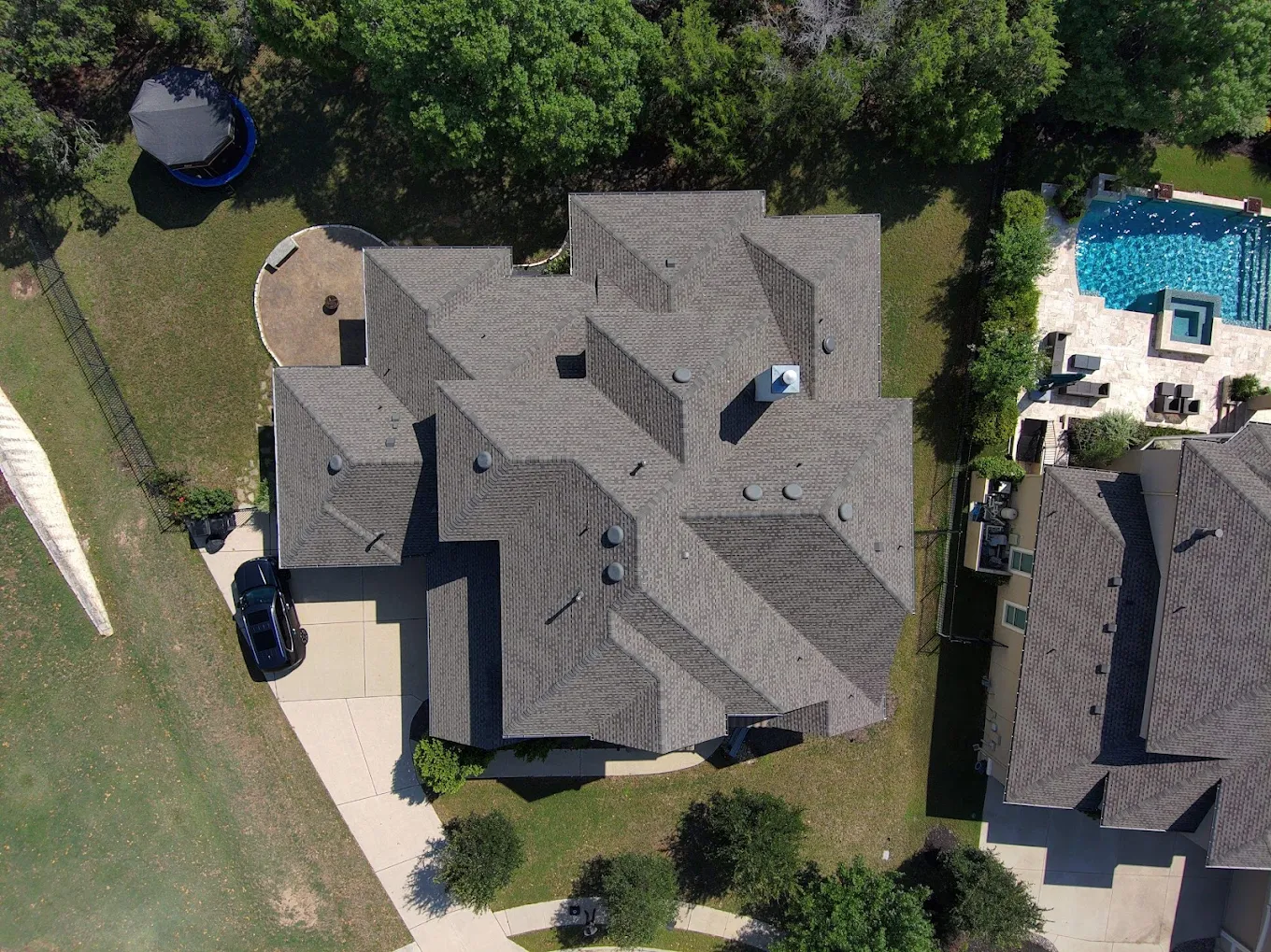
Many homeowners don’t realize their roof warranty can be voided without proof of regular upkeep. That expensive, long-term protection you thought you had might not be there when you need it most. A professional maintenance plan provides the official documentation needed to keep your warranty valid and support any future insurance claims. It creates a clear service history, proving you’ve taken the necessary steps to care for your roof. When you consider the cost of a roof maintenance plan, think of it as an insurance policy for your warranty, ensuring your investment remains protected for its entire lifespan.
Think of a roof maintenance plan as a proactive service agreement with a professional roofing company. Instead of waiting for a leak or visible damage to appear, a plan ensures your roof gets regular check-ups to keep it in great shape. The main goal is to catch small issues before they become expensive, stressful emergencies. It’s a straightforward way to protect your home’s most critical asset and extend its lifespan, giving you peace of mind year-round.
A good plan shifts your approach from reactive repairs to proactive care. By scheduling inspections and upkeep, you stay ahead of wear and tear caused by Houston’s weather. This consistent attention helps maintain your home’s value and ensures your roof performs as it should, season after season. It’s a practical strategy for any homeowner who values preparedness and wants to avoid unexpected problems.
A roof maintenance plan is more than just a quick look-over. It’s a structured service designed to address the most common sources of roof problems. While specifics can vary, most quality plans provide a core set of services. You can generally expect semi-annual inspections, which are ideally scheduled in the spring and fall to prepare for and recover from harsh weather seasons.
During these visits, a technician will perform key tasks. This includes cleaning gutters and drains to prevent water from backing up and seeping under your shingles. They will also remove leaves, branches, and other debris that can trap moisture and promote rot. Afterward, you should receive a detailed report, complete with photos and notes, that gives you a clear picture of your roof’s condition. This documentation is invaluable for tracking your roof's health over time.
While the goal of proactive care is the same, it’s important to know that commercial and residential roofing are two entirely different ball games. Commercial roofs are often flat, cover vast areas, and house complex equipment like HVAC units and ventilation systems. Their maintenance plans are typically more intensive, involving specialized materials and techniques to manage drainage and structural load.
Residential plans, on the other hand, are tailored for homes. They focus on things like shingle condition, flashing around chimneys and vents, and the integrity of your gutter system. While a home roof might seem simpler, the stakes are just as high. A small, overlooked issue on a sloped roof can quickly lead to significant water damage inside your home. This guide focuses specifically on residential plans designed to protect your home.
For Houston homeowners, a roof maintenance plan is more than just a service; it’s a strategy. It shifts your approach from reacting to costly emergencies to proactively managing your home’s most critical asset. Instead of waiting for a leak to appear in your living room ceiling, a maintenance plan helps you stay ahead of problems, protect your investment, and maintain your peace of mind. In a city with weather as demanding as ours, this forward-thinking approach is not a luxury, it’s a necessity for smart, prepared homeowners.
Houston’s weather is tough on roofs. The combination of intense UV radiation, high humidity, and torrential downpours creates a uniquely challenging environment. The sun’s rays bake shingles, causing them to become brittle and crack over time. Meanwhile, the constant humidity encourages the growth of algae and moss, which can trap moisture and degrade roofing materials. When heavy rains arrive, they put your drainage systems to the test, and any minor issue can quickly become a major leak. A proactive roof lifecycle plan helps you manage this wear and tear, addressing small, weather-related issues before they escalate.
One of the most expensive mistakes a homeowner can make is assuming their roof warranty is automatically valid. Most manufacturers require proof of regular, professional maintenance to keep the warranty in effect. Without a documented history of inspections and care, a manufacturer can deny a claim, leaving you to foot the entire bill for what should have been a covered failure. A formal maintenance plan provides the necessary documentation to uphold your warranty, ensuring the significant investment you made in your roof remains protected for its entire lifespan.
Many of the most destructive roofing problems start small and out of sight. From the ground, you can’t see cracked sealant around vents, debris building up in valleys, or early signs of granule loss on your shingles. Without a clear maintenance plan, these issues often go unnoticed until they cause significant damage. Professional inspections are designed to identify hidden problems like minor punctures or compromised flashing before they lead to widespread water intrusion, wood rot, or mold growth. Catching these issues early is the key to avoiding expensive, large-scale repairs down the road.
This is the first question most homeowners ask, and for good reason. You want to know if the investment is worth it. While there isn't a single flat rate for every home, a roof maintenance plan is one of the most predictable and affordable ways to protect your property. Think of it less as a cost and more as a small, fixed budget item that prevents huge, unexpected repair bills down the road. The price you pay is a fraction of what you might spend on emergency repairs or a premature roof replacement.
The final cost depends on several factors specific to your home, like your roof's size, complexity, and current condition. A simple, newer roof on a one-story home will naturally cost less to maintain than a large, steep roof with multiple dormers and valleys. Most plans are structured as an annual fee that includes one or two scheduled visits per year. This approach gives you a clear, upfront price and ensures your roof gets the professional attention it needs to handle Houston’s demanding weather. We’ll break down the numbers so you can see exactly how this proactive investment protects your home and your wallet.
While commercial roofing plans are often priced per square foot, residential plans typically come with a flat annual fee. This makes budgeting simple and straightforward. However, the size of your roof is still a primary factor in determining that fee. A larger roof requires more time and materials to inspect and service properly.
For context, commercial plans often run between three and four cents per square foot for each visit. For a homeowner, this translates to a very small investment relative to your home's value. The key takeaway is that the cost is minimal compared to the price of ignoring potential issues. A good maintenance plan is designed to be an affordable, predictable expense that keeps your roof in top condition.
For a typical Houston home, you can expect an annual roof maintenance plan to cost a few hundred dollars. This fee usually covers one to two comprehensive inspections per year, which is the industry standard for proactive care. A quality roof maintenance plan isn't just a quick look; it includes essential services like removing debris from the roof surface, cleaning gutters and downspouts to ensure proper drainage, and performing minor on-the-spot repairs for issues like loose shingles or failing sealant. You’ll also receive a detailed report with photos, giving you a clear record of your roof’s health and any work performed.
Not all roofs are created equal, and your plan’s price will reflect that. A simple, low-slope gable roof on a single-story home is easier to access and inspect than a steep, two-story roof with complex angles, dormers, and valleys. The more intricate your roof’s design, the more time it takes to service it thoroughly. Similarly, the age and current condition of your roof play a significant role. An older roof or one with a history of repairs may require more attention to detail during inspections, which can influence the cost. A trustworthy provider will assess these factors to give you a fair and accurate price.
Here is where the value of a maintenance plan becomes crystal clear. Proactive maintenance costs just a small fraction of a reactive repair or replacement. While a maintenance plan might cost a few hundred dollars a year, the price of a new roof can easily run from $10 to $20 per square foot. For an average-sized home in Houston, that could mean an unexpected bill of $20,000 or more. Spending a small, predictable amount each year to catch minor issues before they become catastrophic failures is one of the smartest financial decisions you can make as a homeowner. It protects your budget from shock and preserves the value of your home.
Not all roof maintenance plans are created equal, and their prices can vary quite a bit. The cost isn't arbitrary; it’s based on specific details about your roof and the level of service you choose. Understanding these factors helps you see exactly what you’re paying for and ensures you select a plan that truly fits your home’s needs without any surprises.
Think of it like a car maintenance plan. A simple sedan that’s driven lightly will have a different service cost than a heavy-duty truck used for work. The same logic applies to your roof. Key variables like your roof's size, its architectural complexity, how often it’s inspected, and its current condition all play a role in determining the final price. A trustworthy roofing partner will be transparent about how these elements contribute to your quote, giving you the clarity to make an informed decision.
The most straightforward factor is your roof's size. A larger roof simply takes more time and resources to inspect and maintain, which is reflected in the cost. However, size is just one part of the equation. The complexity of your roof's design is equally important. A simple, low-slope roof is much easier to work on than a steep one with multiple gables, valleys, and dormers. Features like skylights and chimneys also add to the inspection time.
Accessibility is another key consideration. If your roof is difficult to reach safely, it may require special equipment like lifts or extra safety rigging, which can increase the price. A professional will assess these factors during an initial evaluation to provide an accurate quote.
The scope of your maintenance plan directly impacts its cost. A basic plan might include one annual inspection, while a more comprehensive one could offer biannual visits, which is often recommended for climates like Houston’s. The more frequently your roof is professionally inspected, the better the protection against unforeseen issues.
Beyond inspections, the specific services included will also affect the price. Most plans bundle essential tasks like cleaning gutters and downspouts to prevent water backup and removing debris like leaves and branches that can trap moisture. More extensive plans might also include minor sealant touch-ups or other small repairs. When comparing plans, look closely at the list of services to ensure you’re getting the coverage your home needs.
The starting condition of your roof is a major factor, especially for the first year of a maintenance plan. If your roof has been neglected and has accumulated significant debris, or if there are existing issues that need addressing, the initial service will be more intensive. A leak is often the last sign of a problem, not the first, and catching issues early can prevent costly damage.
A roofer may need to perform a deep cleaning or make minor repairs to bring your roof to a baseline condition before the regular maintenance schedule begins. A transparent provider will document these initial findings with photos and clear explanations, so you understand exactly what work is needed to get your roof ready for proactive care.
Most roofing companies have a designated service area where they can operate most efficiently. If your home is located within this radius, travel costs are typically built into the standard pricing. However, if your property is in a remote or hard-to-reach location outside of a provider’s usual territory, you may see a travel surcharge added to your plan’s cost.
This fee covers the additional time and fuel expenses required for the team to get to and from your home. When you request a quote, it’s always a good idea to confirm that your home is within the company’s standard service area or to ask if any travel fees will apply.
A roof maintenance plan is a service agreement with a roofing partner to keep your roof in great shape through regular check-ups and proactive care. While every company’s plan differs, a quality program goes beyond a simple look-around to include essential services that prevent small issues from becoming expensive emergencies. Think of it as a health and wellness plan for your roof, designed to give you peace of mind and predictable costs.
This approach is built on a foundation of scheduled inspections, cleaning, and detailed documentation. It provides a clear, ongoing record of your roof’s condition, which is invaluable for warranty claims, insurance purposes, and future planning. By bundling these services, a maintenance plan offers a structured way to protect one of your home’s most critical and expensive assets.
The foundation of any good maintenance plan is a schedule of regular, thorough inspections. A professional technician will evaluate your entire roofing system, looking for early signs of wear, potential leaks, and damage that you can’t see from the ground. This isn’t just a quick glance; it’s a detailed evaluation of shingles, flashing, and seals around vents and pipes. After each visit, you should receive a report that outlines all findings. This report helps you track your roof's condition over time and make decisions based on facts, not just a sales pitch. This consistent oversight is the best way to catch problems early.
In a climate like Houston’s, keeping your roof and gutters clear is non-negotiable. A solid maintenance plan includes removing leaves, branches, and other debris that can trap moisture against your roof’s surface and cause it to deteriorate faster. Clogged gutters are a primary cause of water damage, as they can force rainwater under your shingles and into your home's walls and foundation. Regular gutter and drain cleaning ensures water flows freely away from your home, preventing rot and mold. This simple but critical service protects both your roof and your home’s structural integrity.
One of the biggest benefits of a maintenance plan is catching and fixing small issues immediately. During an inspection, a technician can perform minor repairs on the spot, saving you the time and expense of a separate service call. This often includes securing loose shingles, sealing cracked pipe boots, or addressing nail pops where fasteners have pushed up. These small fixes are crucial because they stop minor weak points from turning into major leaks. By addressing these issues as they appear, you can prevent widespread damage and avoid the high cost and stress of an emergency repair down the road.
Clear photos take the guesswork out of roof repairs. A modern, transparent maintenance plan should always include photo documentation of your roof's condition, providing undeniable proof of any issues found. At AI Roofing, we believe this is essential for building trust and empowering you as a homeowner. These detailed reports, complete with images and notes, create a historical record of your roof’s health. This documentation is incredibly valuable if you ever need to file an insurance claim or provide a maintenance history when selling your home. It replaces assumptions with hard evidence, ensuring all recommendations are clear and justified.
A forward-thinking maintenance plan helps you prepare for the future. Beyond just fixing today's problems, it should provide a lifecycle analysis that estimates your roof's remaining lifespan. This changes roofing from an unexpected emergency into a predictable, planned expense. Knowing whether your roof has two, five, or ten years of life left allows you to plan financially for a future replacement without stress or surprise. This strategic approach gives you control over one of your largest home-related expenses, so you can avoid the pressure of making a rushed decision when the time for a replacement eventually comes.
When you think about your roof, it’s easy to fall into an “out of sight, out of mind” mentality. But waiting for a problem to appear is almost always more expensive than preventing one. The choice between proactive maintenance and reactive repairs comes down to a simple cost-benefit analysis. Spending a small amount on regular upkeep can save you from the staggering cost of a full roof replacement that comes years too soon, turning a potential five-figure emergency into a predictable, manageable expense.
Regular maintenance puts you in control of your home’s health and your finances. It helps you catch minor issues before they spiral into costly structural damage, giving you peace of mind and preventing the stress of surprise leaks and urgent repairs. This approach shifts you from reacting to crises to confidently managing your home as the investment it is. Instead of worrying about the next storm, you can rest assured that your roof is prepared to handle it, because you have a clear, data-driven understanding of its condition.
That small water stain on your ceiling is rarely the start of a problem; it’s usually the final symptom of an issue that has been developing for months or even years. By the time you see a leak, water has already infiltrated your roofing system, potentially causing wood rot, saturated insulation, and mold growth in your attic. What could have been a simple fix now becomes a much more complex and expensive repair.
The reality is that small issues like a cracked sealant, a loose shingle, or a clogged gutter are the typical starting points for major roof failure. When caught early, these minor repairs can often extend the life of your roof by several years. Neglecting them doesn't save you money; it just defers the cost and multiplies it down the road.
One of the most overlooked benefits of a maintenance plan is the documentation it provides. Many homeowners don't realize that most roofing warranties require proof of regular maintenance to remain valid. If you can’t show that you’ve been taking care of your roof, a manufacturer may deny your claim, leaving you to foot the entire bill for what should have been a covered failure.
A professional maintenance plan gives you a detailed record of every inspection, cleaning, and minor repair, complete with dates and photos. This paper trail is your best defense in a warranty claim. It’s also invaluable when dealing with your homeowner's insurance, as it establishes a clear history of your roof's condition before a storm or other damaging event.
Your roof is one of your home’s most critical and valuable components, and a well-maintained roof directly protects your overall property value. When it comes time to sell, a roof with a documented service history is a major selling point. It gives potential buyers confidence and shows that the home has been cared for, helping you avoid last-minute repair requests or price negotiations.
By following professional maintenance recommendations, you are making a direct investment in your home's future. You’re not just preventing leaks; you’re preserving the structural integrity of your house and ensuring its long-term marketability. This proactive approach saves you money over time by preventing catastrophic failure and protecting the value of your single largest asset.
Deciding whether a roof maintenance plan is a worthwhile expense comes down to viewing it as a strategic investment rather than a recurring cost. For homeowners who see their property as a long-term asset, proactive care is almost always more affordable than reactive repairs. The key is to determine if the financial and practical benefits align with your specific situation, your roof's condition, and your goals as a property owner. A good plan provides peace of mind by catching small issues before they become expensive emergencies, ultimately protecting your home's value and structural integrity.
A maintenance plan makes financial sense when the cost of prevention is significantly lower than the cost of a major repair or premature replacement. Think of it this way: spending a small amount on routine inspections and upkeep is a smart trade-off against a five-figure roof replacement that could have been postponed. If your roof is middle-aged (10+ years old) or you live in an area with harsh weather like Houston, a plan helps you manage your budget and extend the life of a roof by several years. It shifts your spending from unpredictable, high-cost emergencies to predictable, manageable maintenance fees.
You are likely a good candidate for a maintenance plan if you want to protect your investment and avoid surprises. If you recently installed a new roof, a plan ensures you meet the manufacturer's warranty requirements for upkeep. If your roof is older, a plan is your first line of defense against leaks and deterioration. It’s also a great fit for homeowners who lack the time, expertise, or ability to safely inspect their own roof. For those managing a property from a distance or preparing a home for sale, a plan provides documented proof of the roof's condition, adding transparency and value to the transaction.
Many roofing companies offer ways to make a proactive roof maintenance plan more affordable. Ask potential providers if they offer discounts for bundling services, such as combining your annual inspection with gutter cleaning. Some companies may also provide a lower rate if you commit to a multi-year agreement, locking in your price and ensuring consistent service. Furthermore, members of a maintenance plan often receive priority scheduling and discounted rates on any necessary repairs found during an inspection. These built-in savings can quickly offset the cost of the plan itself, especially if minor issues are caught and fixed early.
Understanding what your roof needs can be confusing, and a few common misconceptions can lead to expensive, avoidable problems. Let's clear up some of the biggest myths so you can make informed decisions about protecting your home.
This is one of the most dangerous assumptions a homeowner can make. By the time you see a water stain on your ceiling, the problem has likely been developing for months. A leak is often the final symptom of a roofing issue, not the first. Hidden damage like cracked underlayment, hail-bruised shingles, or rusted flashing isn't visible from the ground. The truth is, if caught early, professional repairs can often extend the life of a roof by several years, saving you from a premature replacement. A proactive inspection finds the small issues before they become big, costly emergencies.
A roof inspection is a snapshot in time, not a lifetime guarantee. Your roof is constantly exposed to Houston’s intense sun, heavy rain, and high winds. Its condition changes from season to season and year to year. Relying on a single inspection from when you bought your home is like never going back to the doctor after one check-up. Effective roof care is not about reacting to problems; it’s about proactive management. Regular assessments transform roofing decisions from stressful, reactive repairs into a predictable part of your homeownership strategy, similar to structured capital planning.
Many homeowners are skeptical of service plans, and for good reason. But a quality roof maintenance plan is a strategic investment, not a frivolous expense. Some believe that maintenance plans are a waste of money, but nothing could be farther from the truth. A plan shifts your costs from large, unexpected repair bills to small, predictable maintenance fees. It includes essential services like debris removal, gutter cleaning, and minor repairs that prevent water damage and prolong your roof's lifespan. It also provides the documentation you need to keep your warranty valid and support any future insurance claims. It’s about spending a little now to save a lot later.
Once you’ve decided a roof maintenance plan is right for you, the next step is finding a partner and a program that fits your home’s specific needs. Not all plans are created equal, and the quality of the roofer is just as important as the services they offer. Choosing the right one comes down to knowing what to look for in a reliable partner and asking the right questions before you sign anything. A great plan should give you peace of mind, not just another bill to pay.
The best roofing partners operate with transparency and a proactive mindset. Look for a company that schedules inspections at regular intervals, ideally in the spring and fall, to prepare your roof for Houston’s harshest weather seasons. While many resources focus on commercial roof maintenance plans, the principle is the same for homeowners: consistency is key. A trustworthy partner will offer more than just a quick glance from a ladder. Their plan should include detailed inspections, debris removal, gutter cleaning, and thorough documentation with photos. They should be focused on identifying small issues before they become costly emergencies, providing clear reports that help you understand your roof's condition without resorting to high-pressure sales tactics.
Before committing to a plan, arm yourself with a few key questions to gauge the provider’s value and transparency. Asking the right things upfront ensures you know exactly what you’re paying for and helps you find a partner who truly has your best interests in mind.
Start by asking:
Traditional roofing maintenance can feel like a mystery, often leaving you wondering what was actually done and whether you can trust the recommendations. We built AI Roofing to bring clarity and confidence to the process. Our maintenance plans are different because they are built on a foundation of data, not assumptions. We combine years of hands-on roofing experience with advanced technology to give you a true, factual understanding of your roof’s condition. Instead of just cleaning gutters and hoping for the best, our approach gives you the information you need to make smart, proactive decisions about your home. It all comes down to three key principles that guide everything we do.
A standard visual inspection can miss critical issues hiding just beneath the surface. We go further by using modern diagnostic tools to get a complete picture of your roof’s health. Our inspections can identify problems the naked eye can’t see, like trapped moisture under shingles that can lead to rot and structural damage over time. Using advanced inspection technology, we can pinpoint hidden wet insulation and small breaches before they become expensive, widespread problems. This technology replaces guesswork with facts, allowing us to address minor issues proactively and prevent major repairs down the road. It’s about giving you certainty in the condition of your roof.
After our inspection, you won’t get a high-pressure sales pitch. Instead, you’ll receive a clear, comprehensive report that explains exactly what we found, complete with photos and data from our diagnostic tools. We believe homeowners make the best decisions when they have all the facts. Our reports are designed to be educational, breaking down complex issues into simple terms so you understand the why behind any recommendation. This document empowers you to plan and budget effectively, whether that means scheduling a small, immediate repair or simply monitoring an area over time. Our goal is to be your trusted advisor, not just another contractor.
A consistent maintenance plan creates a detailed service history for your roof, and that documentation is a powerful asset. This official record proves you’ve been proactive in caring for your home, which can be essential for keeping your manufacturer’s warranty valid. In the event of a storm, this history can also simplify the insurance claims process. Furthermore, a well-documented maintenance log is a significant value-add when you decide to sell your home. It shows potential buyers that your roof has been properly maintained, protecting your home’s long-term value and giving them confidence in their purchase. Think of it as a complete health record for one of your home’s most important systems.
What happens if a major problem is found during a maintenance visit? If we discover a significant issue, our first step is to document it thoroughly with photos and data so you can see exactly what we see. You will receive a clear report explaining the problem, its potential impact, and a set of transparent recommendations. Our goal is to inform you, not to pressure you. You will have all the facts needed to decide on the next steps without any obligation to perform immediate, expensive work.
Is a maintenance plan necessary for a brand-new roof? Yes, it is one of the best ways to protect your investment. Most roofing manufacturers require proof of regular, professional maintenance to keep their warranties valid. Starting a plan right after installation creates an official service history from day one. This documentation ensures you meet the warranty requirements and protects you from having to pay out-of-pocket for a premature failure that should have been covered.
Can't I just clean my own gutters and look at the roof myself? While cleaning your own gutters is a great habit, a professional maintenance plan offers much more. Our technicians are trained to spot subtle signs of wear and tear that are easily missed, such as cracked pipe seals, granule loss on shingles, or compromised flashing. We also use diagnostic tools that can identify moisture trapped beneath the surface. It’s about finding the hidden problems that a visual check from a ladder simply can't catch.
How is this different from a one-time roof inspection? A single inspection provides a snapshot of your roof's condition on one particular day. A maintenance plan offers continuous oversight, tracking how your roof performs through Houston's demanding seasons. This creates a valuable historical record of your roof's health, helps you budget for the future, and builds a relationship with a trusted partner who understands your home. It shifts your approach from reacting to a single report to proactively managing your roof's entire lifecycle.
Will a maintenance plan guarantee my roof will never leak? No plan can offer a 100% guarantee against severe storm damage or unforeseen events. However, a proactive maintenance plan is the single most effective way to prevent the vast majority of leaks, which are caused by predictable wear and tear. By regularly inspecting, cleaning, and making minor repairs, we ensure your roof is in the best possible condition to handle normal weather, catching small vulnerabilities before they can turn into major water intrusion.
Roofing Resources