Home
Home
Services
Services

Resources
Resources
Storm Restoration
Storm Restoration
Roof Systems
Roof Systems
Locations
Locations
February 7, 2026
Get the facts on the average cost to replace a roof per square foot, plus key factors that impact your total price and tips for comparing contractor quotes.
Resources
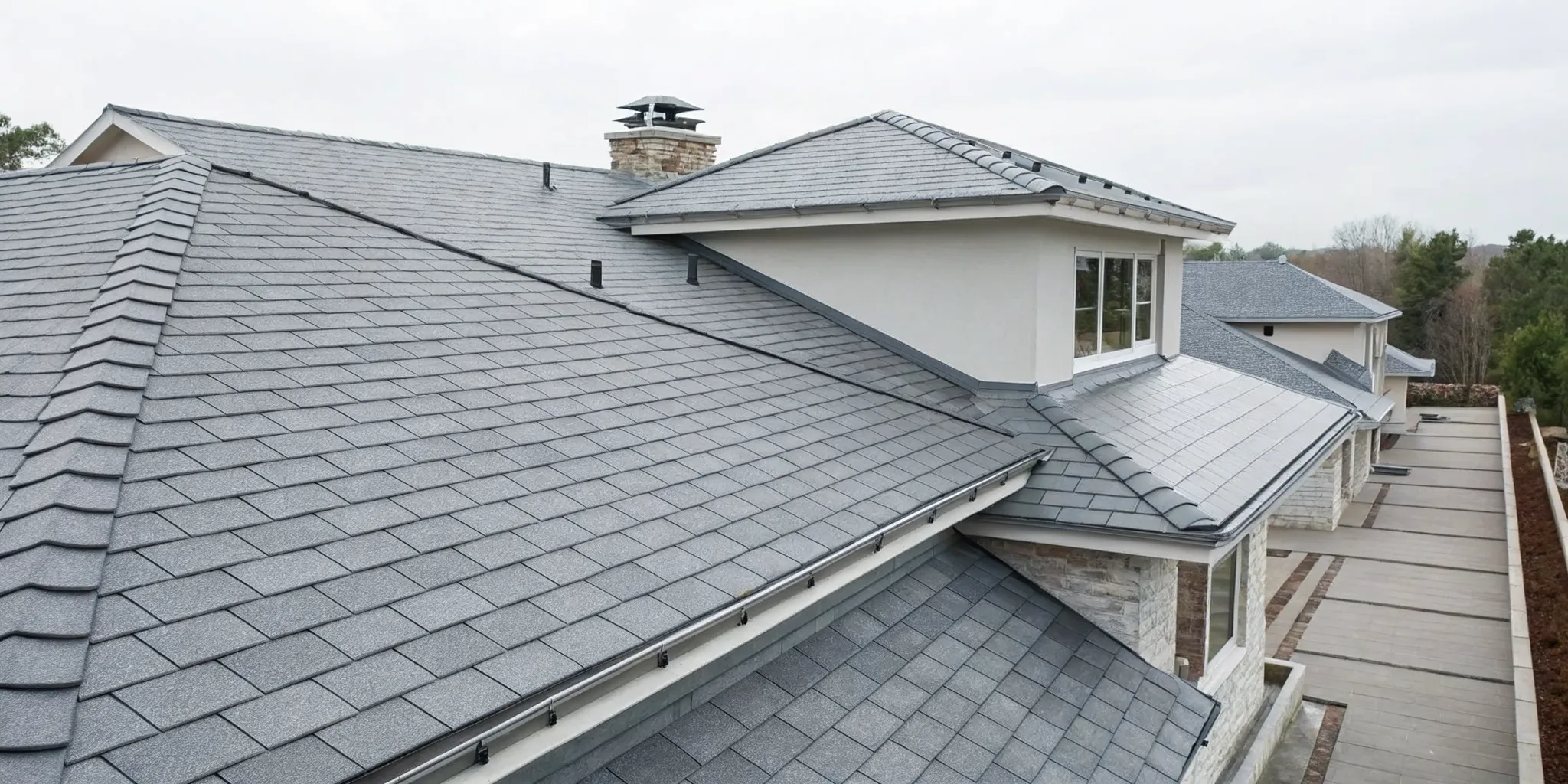
Here in Houston, our roofs have a tough job. They stand up to intense sun, high humidity, and the constant threat of severe weather. That’s why looking at a national average cost to replace a roof per square foot won’t give you an accurate budget for your project. Our local climate and building codes demand specific materials and installation techniques that you won’t find everywhere else. This article breaks down roofing costs specifically for Houston-area homeowners. We’ll look at how factors like windstorm requirements and the need for algae-resistant shingles influence the final price, giving you a realistic financial picture that truly reflects the needs of your home in our unique environment.
When you start looking into the cost of a new roof, you'll see the term "per square foot" everywhere. It’s the standard way contractors estimate projects, but it’s helpful to think of it as a starting point, not the final number. It’s a bit like the price per gallon for gas; it tells you the base rate, but your final cost depends on the size of your car’s tank and whether you choose regular or premium. Similarly, your total roofing cost is influenced by the materials you pick, the specific shape and slope of your roof, and even local labor rates. Getting familiar with these per-square-foot averages is a great first step. It allows you to compare different materials on an even playing field and build a realistic budget before you start collecting detailed quotes.
To give you a general idea, here are the national average costs for some of the most common roofing materials. Keep in mind that these are broad ranges, and prices in the Houston area may differ based on local demand and supply.
These figures are a great way to compare the relative cost of different roofing materials and see how your choice impacts the overall budget.
So, what do those per-square-foot numbers mean for your total project cost? On average, most homeowners can expect to pay between $4.00 and $11.00 per square foot for a full roof replacement. For a typical 1,700-square-foot roof using standard asphalt shingles, this often translates to a total cost between $6,000 and $9,000.
However, the final price tag can vary dramatically. Across the country, a complete roof replacement can range anywhere from $5,800 to over $47,000. This wide gap highlights why a one-size-fits-all estimate doesn't work. Factors like your roof's pitch, the number of layers to be removed, and unique features like skylights or chimneys will influence the final number. This is why getting a detailed, on-site inspection is the only way to get a truly accurate roof replacement estimate.
While the cost per square foot gives you a baseline, it doesn’t tell the whole story. Think of it as the starting point, not the final destination. Several key factors come together to determine the total investment for your new roof. Understanding these variables is the first step toward getting a clear, accurate quote without any last-minute surprises. From the materials you choose to the unique shape of your home, each element plays a role in the final price. Let’s break down exactly what goes into your estimate so you can feel confident in your decision.
The single biggest factor influencing your roof replacement cost is the material you select. It’s a decision that balances your budget, desired aesthetic, and long-term performance goals. Asphalt shingles are the most common and affordable option, offering a great blend of value and reliability. If you’re looking for enhanced durability or a specific style, materials like metal, tile, or slate come with a higher initial investment but often provide a longer lifespan. Each option has its own set of benefits, so it’s important to consider what matters most for your home. A good contractor can walk you through the pros and cons of different roofing materials to help you find the perfect fit.
It makes sense that a larger roof requires more materials and labor, directly increasing the cost. But it’s not just about total square footage; the complexity of your roof’s design is just as important. A simple, single-peaked roof is more straightforward to work on than one with multiple gables, steep pitches, dormers, or skylights. These features require more precise cuts, additional flashing, and careful installation, which adds to the labor time. Very steep or flat roofs also present unique challenges that can influence the final price. An accurate estimate always begins with a precise measurement of your roof’s size and a thorough assessment of its architectural complexity.
Where you live has a direct impact on your roofing costs. Labor rates can vary significantly from one city to another, reflecting the local cost of living and market demand. Beyond labor, your location determines the specific building codes and permit requirements your project must meet. For example, homes in coastal areas like Houston often need to adhere to stricter standards for wind resistance. These regulations ensure your roof is safe and durable, but they can also affect material choices and installation methods. A professional roofer will be an expert on local building codes and will factor these requirements into your quote from the start, so there are no surprises down the line.
The roofing industry has its own seasons. The busiest times are typically late spring through fall, as well as immediately following a major storm event. During these peak periods, demand is high, and schedules fill up quickly. If your roof replacement isn’t an emergency, you might find more scheduling flexibility and potentially better pricing by planning your project during the slower months, like late winter or early spring. This isn't always possible, especially if you have active leaks, but it’s a useful tip for homeowners who are planning ahead. Discussing timing with your contractor can help you find the best window to complete the work for your home and your budget.
Choosing a roofing material is one of the biggest decisions you'll make during a replacement, and it has the most significant impact on your final cost. It’s a balance between your budget, the style you want for your home, and how long you expect the roof to last. Each option comes with its own price point and set of benefits, so understanding the differences is key to making a confident choice. Let's walk through the most common materials so you can see how they stack up.
It’s no surprise that asphalt shingles are the most common roofing material in America. They offer a fantastic balance of performance, style, and affordability, making them a practical choice for many homeowners. You can generally expect to pay between $3.40 and $5.95 per square foot. For a typical 1,700-square-foot roof, this puts the total cost in the $6,000 to $9,000 range. With a lifespan of 15 to 30 years and a wide variety of colors and styles, modern architectural shingles provide a reliable and attractive solution without a massive upfront investment.
If you’re looking for something that combines a modern aesthetic with serious longevity, metal roofing is an excellent choice. While the initial cost is higher, ranging from $6.00 to $24.50 per square foot, the long-term value is impressive. A full installation can run from $10,245 to $41,640, but these roofs can last 40 to 70 years or even longer. Metal is also lightweight, fire-resistant, and energy-efficient, as it reflects solar heat and can help lower your cooling costs. The clean lines of a standing seam metal roof have become increasingly popular for their sleek, contemporary look.
Tile roofing offers a timeless, classic look that’s hard to beat, especially for homes with Spanish or Mediterranean architecture. Made from clay or concrete, these tiles are incredibly durable and resistant to fire, rot, and insects. The cost typically falls between $6.30 and $12.30 per square foot, with a total project cost ranging from $10,665 to $20,900. While tiles can last for over 50 years, it’s important to know that they are very heavy. Your home’s structure must be able to support the extra weight, which is a key factor a professional roofer will assess.
For homeowners who see their roof as a true, long-term investment, slate is in a class of its own. This natural stone material is the definition of durability, with a lifespan that can exceed 100 years. It’s also the most expensive option, costing between $23.49 and $31.77 per square foot. This brings the total installation cost to $39,925 to $54,020 or more. A slate roof is a significant upfront expense, but it delivers unparalleled longevity and a beautiful, classic appearance that can’t be replicated. Because it requires specialized expertise to install, choosing a qualified slate roofing contractor is absolutely essential.
When you get a quote for a new roof, the price of the shingles themselves is only part of the story. A complete roof replacement is a multi-step project, and several other factors contribute to the final cost. Understanding these additional expenses is key to creating a realistic budget and comparing estimates accurately. Think of it less like buying a product and more like investing in a complete system designed to protect your home.
From removing the old materials to ensuring the new roof has proper protection against the elements, each line item plays a critical role. Knowing what to expect helps you ask the right questions and ensures there are no surprises once the work begins. A transparent quote will break down these costs, giving you a clear picture of where your money is going and why each component is necessary for a durable, long-lasting roof.
Before new shingles can go on, the old ones have to come off. This tear-off and disposal process is a standard part of any full roof replacement. The cost for roof removal and disposal generally ranges from $0.40 to $2.00 per square foot, which can add between $665 and $3,343 to the total for an average-sized roof. While most contractors include this service in their overall price, it’s always a good idea to confirm that it’s listed as a specific line item in your estimate. This ensures you’re comparing quotes on an equal basis and that there are no hidden fees for hauling away the old materials.
One of the biggest variables in a roof replacement is the condition of the structure underneath the shingles. Once the old roofing is removed, your contractor gets a clear view of the roof deck, which is the plywood or OSB sheathing that forms the foundation of your roof. If there’s evidence of rot, water damage, or soft spots, those sections will need to be repaired or replaced before the new roof can be installed. Because it’s impossible to know the full extent of any underlying structural damage until the tear-off is complete, this is often handled as a potential add-on cost in an estimate.
In most areas, a roof replacement is a major construction project that requires a permit from your local municipality. This ensures the work is performed to current building codes, which are in place to protect you and your home. The cost for permits and any required inspections can range from $100 to $500. Your roofing contractor typically handles the process of pulling the permit, but the fee is passed on to you as part of the project cost. While it might seem like just another fee, a permit is an important part of a professional roofing job, confirming that the work will be done correctly and safely.
A high-quality roof is much more than just shingles. It’s a system of components working together to keep your home dry and protected. Your estimate should include several of these essential roofing materials, such as underlayment, a water-resistant barrier that costs between $1.50 and $2.10 per square foot. You’ll also see costs for new flashing, the metal strips that seal the joints around chimneys and walls, which runs about $9.00 to $11.00 per foot. Finally, pipe boots, the seals around plumbing vents, are critical for preventing leaks and typically cost between $63 and $85 each. These aren’t optional add-ons; they are fundamental parts of a modern, reliable roofing system.
It’s easy to assume a roof costs about the same everywhere, but where you live plays a huge role in the final price tag. From local labor rates to climate demands, your zip code influences everything from material availability to installation requirements. A roof built to handle heavy snow in Denver has different needs than one designed to withstand Houston’s heat and humidity. Understanding these regional differences is the first step in setting a realistic budget and knowing what to expect when the estimates start rolling in.
Think of it like this: the cost of living varies from city to city, and so does the cost of doing business. A roofing company in a major metropolitan area will have different overhead costs than one in a small town. These factors, combined with local regulations and weather patterns, create a unique pricing landscape for every region. That’s why a national average is just a starting point; your local reality is what truly matters.
The cost of a new roof isn't a one-size-fits-all number. Nationally, prices are shaped by a mix of factors including the local economy, the going rate for skilled labor, and how far materials have to travel to get to you. In areas with a higher cost of living, you can generally expect labor rates to be higher, which directly impacts your total project cost.
Beyond economics, the climate itself sets the standard. A roofer in the Northeast might recommend materials designed to shed ice and snow, while a contractor in the Southwest will focus on options that reflect intense sunlight. These regional roofing material and labor costs mean that an estimate you hear from a friend in another state might not be a reliable benchmark for your own project. It’s always best to look at pricing specific to your city and state.
Here in Houston, our roofs face a unique set of challenges. The combination of intense sun, high humidity, and the constant threat of hurricanes means we can’t just install any old shingle. Materials need to be tough enough to handle UV radiation without cracking and resistant to the algae growth that our humid air encourages. This often means choosing specific products, like shingles with algae-resistant coatings, which can influence the price.
Furthermore, our proximity to the coast means that building codes often require specific installation techniques and materials designed to withstand high winds. These hurricane-rated systems provide essential protection but can add to the overall cost of a roof replacement. When you get a quote in the Houston area, it should account for these climate-specific needs to ensure your home is properly protected from our unpredictable weather.
Beyond the shingles themselves, local regulations add another layer to your roofing budget. Nearly every municipality, including Houston, requires a permit for a full roof replacement. These building permits ensure the work is done to code, protecting both you and future owners of your home. The cost for permits can range from a hundred to several hundred dollars, depending on your location.
Local building codes also dictate specific requirements for things like underlayment, flashing, and ventilation, especially in areas designated as windstorm zones. For example, the Texas Department of Insurance has specific guidelines for roofing in coastal counties to improve wind resistance. A reputable contractor will build these requirements into your estimate from the start, ensuring your new roof is not only durable but also fully compliant with all local safety standards.
Deciding between a roof repair and a full replacement is a major financial choice. It’s not just about the immediate cost, but about protecting your home for years to come. The right answer depends on your roof's condition, and a thorough inspection is the only way to know for sure. Let’s walk through the key factors to help you make a confident decision.
Sometimes, a roof has simply reached the end of its functional life. Widespread issues are a clear signal that spot repairs won't be enough. If you see shingles that are curling, cracking, or losing their granules, these are signs of systemic aging. For other materials, you might notice significant rust or leaks in multiple spots. Age is another major factor. A typical asphalt shingle roof has a lifespan of about 20 to 25 years. If your roof is approaching that age and showing these signs, a replacement is the most sensible long-term solution.
If your roof is still relatively young and the damage is contained to a small area, a repair is usually the best path forward. Think of damage from a fallen branch or a few shingles lost in a storm. A good rule of thumb is if less than a quarter of your roof is affected, a targeted repair makes financial sense. Many of these minor repairs can be handled efficiently without the cost of a full replacement. The key is to address these issues quickly to prevent them from turning into larger problems, like water damage. An honest assessment will confirm if the problem is isolated.
Your roof is a system, and thinking about its long-term value is crucial. While a repair might seem cheaper now, patching an old, failing roof repeatedly can cost more over time. The goal is to find the solution that offers the best return on your investment. A big part of that return comes from choosing a trustworthy roofing contractor who provides quality workmanship, as labor is a major component of the final cost. Remember, a new roof isn't a one-and-done purchase. It's an investment that still requires care to perform its best for decades to come.
Receiving a roofing quote can feel like a high-stakes moment, but it shouldn’t be a source of stress. A clear, detailed estimate is the foundation of a successful project and your first real glimpse into a company’s professionalism. It’s more than just a price tag; it’s a comprehensive plan that outlines the scope, materials, and process. Understanding what to look for in an estimate empowers you to compare offers confidently, ask the right questions, and ensure the price you agree to is the price you actually pay.
Getting quotes from at least two or three reputable roofing companies is a crucial step. This isn't just about finding the lowest price. Comparing detailed estimates allows you to see how different contractors approach the same project. Does one company recommend higher-quality underlayment? Does another include more robust flashing details? These differences can significantly impact your roof's long-term performance. A thorough quote reflects a contractor's attention to detail. If an estimate is vague or missing key information, it’s often a sign of the quality of work you can expect. Taking the time to gather and review several proposals is one of the best ways to find a trustworthy contractor and make an informed decision for your home.
A trustworthy estimate leaves no room for interpretation. It should be a clear, itemized document that breaks down every aspect of the job. When you review a quote, look for a detailed list of costs for materials, labor, and all job-related supplies like fasteners and underlayment. The document should also specify charges for equipment rental, debris disposal, and protecting your property during the work. A professional quote will even outline the costs for setup and cleanup. If you see a single lump-sum number without any supporting details, ask for a complete breakdown. This level of transparency is essential for understanding exactly what you’re paying for and helps prevent unexpected costs from appearing on the final invoice.
A few persistent myths can lead homeowners to make costly mistakes. One of the most common is believing that a roof is fine as long as it isn’t actively leaking. Unfortunately, water damage can fester for years in your attic or walls before a visible drip appears. Another myth is that you can simply add a new layer of shingles over the old one to save money. While this might seem like a quick fix, it can hide underlying deck damage, add excess weight to your home’s structure, and often violates local building codes. A proper replacement involves tearing off the old materials to ensure a sound, secure, and long-lasting installation.
A great quote gives you confidence, while a poor one should raise concerns. Be wary of any estimate that seems unusually low, as it may signal subpar materials or inexperienced labor. High-pressure tactics, like a "today only" price, are another major red flag designed to rush your decision. Your estimate should be detailed and specific; vague line items like "miscellaneous repairs" can hide future surprise charges. A professional contractor will also clearly explain any factors that could increase the cost, such as complex roof geometry or the need for structural repairs, rather than adding them to the bill later. Always trust your gut and look for a partner who prioritizes clear communication over a quick sale.
A thorough roof inspection is the foundation of an accurate replacement quote. In the past, this meant a contractor walking on your shingles, relying only on what they could see from a few feet away. This approach often missed subtle issues and left homeowners with more questions than answers. Today, a modern inspection process gives you a complete, data-driven picture of your roof’s health, so you can move forward with confidence.
Instead of relying on assumptions, a tech-forward inspection uses advanced tools to document everything. This detailed analysis is what separates a vague estimate from a precise, reliable quote. It allows a roofing professional to identify not just the obvious problems but also the hidden vulnerabilities that could lead to costly surprises down the road. By starting with facts, you can better understand the recommendations, compare quotes fairly, and feel certain that the proposed work is exactly what your home needs. This clarity is key to making a smart investment and avoiding the pressure of a hard sell.
Modern roof inspections use tools like high-resolution drones and infrared imaging to get a comprehensive view of your roof without anyone having to set foot on it. Drones can safely capture detailed photos of every angle, including steep slopes and hard-to-reach spots around chimneys and vents. This technology provides clear, visual evidence of your roof’s condition, showing you exactly what the inspector sees.
This means you no longer have to take a contractor’s word for it. You can see the cracked shingles, damaged flashing, or signs of water intrusion for yourself. This level of transparency removes the guesswork and empowers you to understand precisely why certain repairs or a full replacement is being recommended. It’s about replacing uncertainty with objective data.
A detailed, technology-driven inspection is directly linked to a more accurate estimate. When an inspector can identify and document every specific issue, the resulting quote will reflect the true scope of the work. This minimizes the risk of unexpected costs appearing halfway through the project. Because this method is so efficient, it can also help manage expenses, as drone technology often reduces the time and labor needed for the initial assessment.
This precision also plays a critical role in protecting your warranty. Most manufacturer warranties require that the roof is installed correctly, which includes addressing any underlying deck damage. A thorough inspection ensures these issues are found and fixed, safeguarding your long-term investment and giving you peace of mind.
A modern roofing project is built on efficiency, starting with the inspection. The entire assessment can often be completed in a fraction of the time it would take using traditional methods, allowing you to get clear answers quickly. Once the inspection is done, the process is straightforward. You’ll receive a detailed report with images and data, followed by a clear estimate outlining the scope of work and the associated costs.
From there, you can review the findings, ask questions, and schedule the project without feeling rushed. This streamlined approach helps you understand what to expect and when, making the entire replacement process feel more manageable and predictable. It sets a professional tone from the very first interaction and ensures your project starts on solid ground.
Why can't I get a simple, flat-rate price for a new roof? A roof isn't a one-size-fits-all product, so a flat-rate price would be a major red flag. The final cost depends on several unique factors about your home, including its total square footage, the complexity of its design (like steep pitches or multiple dormers), and the specific material you choose. An accurate quote requires a detailed inspection to account for these variables and ensure the price reflects the actual work needed for your specific property.
My roof isn't actively leaking. Do I really need to replace it? Waiting for a leak to appear can be a costly mistake. By the time you see water inside your home, damage may have already occurred to your roof deck, insulation, or even your home's framing. Clear signs of a failing roof, such as widespread curling shingles, significant granule loss, or simply old age, indicate that the system's protective capabilities are compromised. A full replacement is a proactive measure to prevent the much larger expense of water damage repairs.
What are the most common "surprise" costs I should plan for? The most common variable in any roof replacement is the condition of the underlying roof deck. It's impossible for a contractor to know the full extent of any water damage or rot until the old shingles are completely removed. A professional estimate will often include a per-sheet price for replacing sections of this decking, so you know what to expect if any structural repairs are needed. This isn't an upsell; it's a necessary step to ensure your new roof has a solid foundation.
Is it worth paying more for a premium material like metal or tile? While materials like metal and tile have a higher upfront cost, they can be a smart long-term investment. Their lifespans are often double or triple that of standard asphalt shingles, meaning you may never have to replace your roof again. They also offer superior resistance to fire and storm damage, which can sometimes lead to discounts on your homeowner's insurance. For many, the peace of mind and long-term durability justify the initial expense.
How does living in Houston specifically affect my roofing costs? Our local climate presents unique challenges that directly influence roofing costs. The intense sun and high humidity require materials that can resist UV degradation and prevent algae growth. More importantly, our proximity to the coast means roofs must comply with strict building codes for windstorm resistance. These requirements often call for specific materials and installation techniques to handle hurricane-force winds, which can add to the overall project cost but are essential for protecting your home.
Roofing Resources