Home
Home
Services
Services

Resources
Resources
Storm Restoration
Storm Restoration
Roof Systems
Roof Systems
Locations
Locations
Get the best emergency roof tarping tips, safety steps, and material advice to protect your home after storm damage. Learn when to DIY or call a pro.

The chaos after a storm can leave you feeling uncertain about what to do first. At AI Roofing, we believe every decision about your home should be based on clear facts, not pressure or panic. That process starts with securing your property correctly. An emergency roof tarp is more than just a temporary cover; it’s the first step in a data-driven approach to restoring your home. It stops the immediate threat, giving you the breathing room to get a thorough, professional inspection. This guide provides the information you need to handle this first step correctly, setting the stage for an informed repair plan. We’ll explain how the best emergency roof tarping protects your home and empowers you to make confident, long-term decisions.
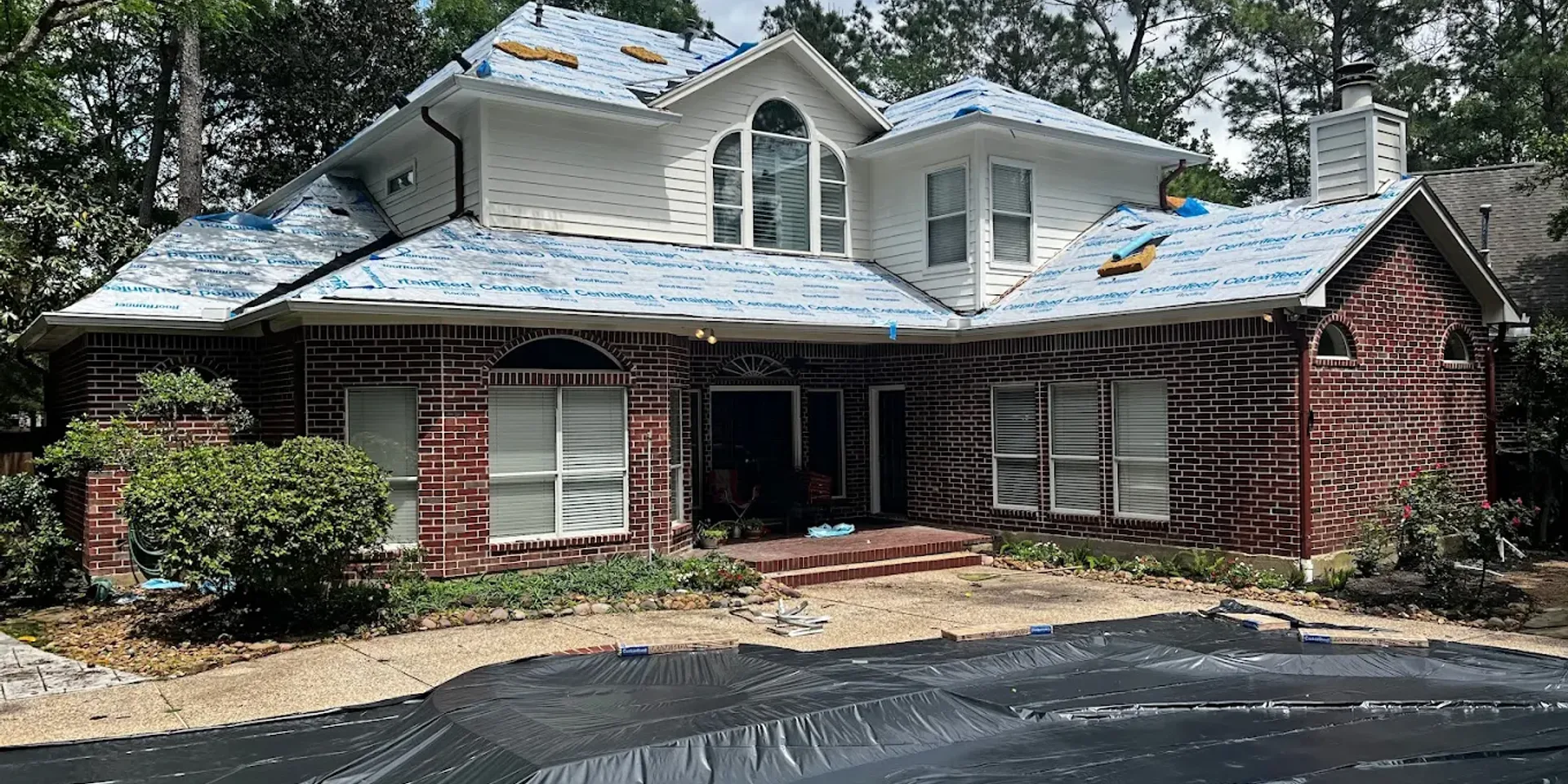
Think of emergency roof tarping as a heavy-duty, waterproof bandage for your home. When your roof is suddenly damaged by a storm, a fallen tree, or another unexpected event, tarping is the first and most critical step to prevent water from getting inside. It involves covering the damaged section of your roof with a large, durable tarp that is securely fastened to keep the elements out.
This is not a permanent fix, but it’s an essential one. A properly installed tarp provides immediate temporary protection that stops active leaks in their tracks. By preventing water intrusion, you protect your home’s interior, insulation, and structural components from costly secondary damage like water stains, wood rot, and mold growth. It’s a crucial measure that buys you the time needed to have the roof properly assessed and to arrange for a permanent, professional repair without the pressure of an ongoing crisis. Taking this step shows you are actively working to mitigate damage, which is also important for your insurance provider.
You should tarp your roof immediately if you notice any signs of significant damage, especially when more rain is in the forecast. Tarping is a necessary first line of defense after your roof has been compromised.
Consider emergency tarping if your home has experienced:
An emergency roof tarp is designed to be a temporary solution, not a permanent one. How long it lasts depends on the quality of the tarp, the severity of the weather it’s exposed to, and how well it was installed. Generally, you can expect a professionally installed tarp to provide reliable protection for about 30 to 90 days.
Standard blue tarps, which are thinner, may last closer to 30 days before the sun and weather cause them to degrade. Heavy-duty tarps, which are thicker and more durable, can often last up to 90 days. This window gives you plenty of time to file an insurance claim, get a professional inspection, and schedule a permanent repair. Don’t let the temporary protection create a false sense of security; the goal is to use this time to find a lasting solution.
After a storm, grabbing the first tarp you find might seem like the quickest solution, but not all tarps are up to the task of protecting your roof. Choosing the right one is a critical step in preventing further water damage while you arrange for professional repairs. The right material, thickness, and size will determine how well your temporary fix holds up against the elements. Let's walk through what you need to look for to make a smart choice.
The most important quality in an emergency roof tarp is its ability to keep water out. For this reason, heavy-duty polyethylene is the go-to material. These "poly tarps" are highly water-resistant and create a reliable shield against rain. While you might see other options like canvas, make sure they are specifically rated as waterproof. Some tarp materials also offer UV resistance, which is a great feature if the tarp needs to stay on for an extended period, especially under the strong Texas sun. Your main goal is to find a material that provides a dependable barrier between your home and the weather.
Tarp thickness is measured in mils, and it directly relates to durability. A thin, flimsy tarp can easily tear in high winds or from rubbing against the roof, rendering it useless. For emergency roof protection, look for a tarp with a minimum thickness of at least 6 mils. While thicker tarps (10 mils or more) cost more, the investment is often worth it for the added strength and peace of mind. Consider how long you might need the tarp and the potential for more severe weather. For significant damage, a thicker, more durable tarp is the safer and more reliable choice.
A tarp that’s too small won't do you any good. Your goal is to create a complete waterproof barrier over the damaged section of your roof. To do this, measure the damaged area and add at least four feet of extra material on all sides. This overlap gives you enough room to anchor the tarp securely and ensures water can't sneak in around the edges. For best results, the tarp should extend from the roof's peak (the ridge) all the way down past the damaged area and over the eaves. This layout uses gravity to your advantage, directing water down and off the roof instead of under the tarp.
Before you even think about getting on a ladder, gathering the right tools and materials is the first step. Having everything ready ensures the job goes smoothly and, more importantly, safely. A well-prepared setup is the difference between a temporary fix that works and one that causes more problems down the road. Think of it as your pre-flight checklist for protecting your home.
Working on a roof is inherently risky, especially after a storm when surfaces can be slick or unstable. Your safety is the absolute top priority, so never cut corners on protective gear. Before you start, make sure you have:
A tarp is only as good as its anchor. To make sure your temporary patch holds strong against wind and rain, you’ll need more than just the tarp itself. Here’s a list of supplies to gather for a secure fit:
Tarping a roof is a temporary fix, but doing it correctly is essential for protecting your home from water damage while you arrange for professional repairs. This process requires caution, the right materials, and a clear plan. Remember, your safety is the top priority. Never attempt to get on a roof during a storm, in high winds, or if you are not comfortable working at heights. If conditions are unsafe, it is always best to call a professional for emergency service.
If you feel confident and the weather permits, following these steps can help you secure your home. This guide breaks down the process into four manageable stages, from assessing the damage safely to anchoring the tarp securely. Having a helper is strongly recommended, as handling a large tarp and supplies on a ladder is difficult and dangerous to do alone. By taking a methodical approach, you can create an effective temporary barrier against the elements.
Your first step should always be a safe inspection from the ground. Use binoculars to get a closer look at the extent of the damage without putting yourself at risk. Look for missing shingles, holes, or debris from fallen branches. At the same time, check your attic for any signs of an active leak, like water stains, drips, or damp insulation. Before you touch anything, take extensive photos and videos of both the exterior damage and any interior leaks. This visual evidence is critical when you file an insurance claim, as it documents the initial state of the problem and the need for temporary repairs.
Once it is safe to get on the roof, your next task is to prepare the surface. Carefully sweep away any loose debris, such as leaves, twigs, or broken shingle fragments, from the damaged area and the space immediately surrounding it. A clean surface ensures the tarp can lie flat against the roof, preventing water from getting underneath and reducing the risk of the tarp tearing on sharp objects. After cleaning, measure the length and width of the damaged section. You will need a tarp that extends at least three feet beyond the damage on all sides to ensure complete coverage and provide enough material for proper anchoring.
This part of the process is much easier and safer with a helper. Before going up the ladder, lay the tarp on the ground and wrap the top edge around a 2x4 wood plank, securing it with a few nails. Roll the rest of the tarp up toward this plank. Carefully carry the rolled tarp, additional 2x4s, and your tools onto the roof. Position the tarp so the board-wrapped edge is located at the roof's peak or at least four feet above the highest point of the damage. This placement ensures water will flow down over the tarp, not under it. Once in position, carefully unroll the tarp down the roof, letting it cover the entire damaged area.
With the tarp unfurled, anchor the top 2x4 plank to the roof using roofing nails or screws. Drive the fasteners through the board and tarp directly into the roof decking, ensuring they are long enough for a secure hold. Next, pull the tarp taut from the bottom to eliminate any slack where water could collect. Wrap the bottom edge of the tarp around another 2x4 and nail it down firmly. Finally, do the same for the sides. This method of using boards helps to distribute tension evenly and prevents the wind from ripping the tarp or pulling the nails out, creating a much more durable temporary seal.
After a storm, your first instinct is to protect your home from further damage. Deciding whether to tarp the roof yourself or call a professional comes down to a clear assessment of the risk and your own capabilities. While a quick DIY fix might seem appealing, roofing work is inherently dangerous. Making the right call protects both your property and your personal safety.
A DIY approach can be a temporary solution, but only under very specific and safe conditions. You might consider tarping the roof yourself if the damage is minor, the leak is small, and your home is a single story with a low-sloped roof that’s easy to walk on. Before you start, you must have the right equipment, including a heavy-duty tarp, 2x4 boards, and proper fasteners.
Always begin by assessing the damage from the ground with binoculars and checking your attic for the water’s entry point. If you decide to proceed, ensure the weather is clear and you have someone to help you. Remember, even small roofing jobs carry risks, and following proper roofing safety protocols is non-negotiable. If you have any doubts, it’s always better to call a professional.
Knowing when to step back and call for expert help is critical. You should contact a professional roofer immediately if you encounter any of the following situations: your roof is steep, your home is two or more stories tall, or you see signs of structural damage like sagging. Widespread damage, multiple leak points, or a fallen tree on the roof are also clear indicators that the job requires a trained crew.
Professionals have the specialized safety equipment, training, and experience to handle hazardous conditions safely and effectively. Attempting to tarp a severely damaged roof yourself can lead to serious injury or make the existing home damage worse. A professional can not only secure the tarp correctly but also provide an accurate assessment for permanent repairs.
Safety should always be your top priority. Falls are a leading cause of injury in roofing-related incidents, and a wet roof significantly increases that risk. Whether you’re a DIYer or just inspecting the damage, follow these essential safety rules without exception. First, never work on a roof alone, during bad weather (like rain or high winds), or at night.
Before you do anything, turn off the electricity to any water-damaged areas of your home to prevent electrical hazards. You should also move furniture, electronics, and other valuables away from the leak inside. Following basic electrical safety guidelines can prevent a bad situation from becoming a catastrophe. Ultimately, no repair is worth risking your well-being.
When your roof is damaged, your first instinct is to get it covered quickly. But in the rush, it’s easy to make mistakes that can lead to more damage or complicate your insurance claim. Taking a moment to get the details right ensures your temporary fix is effective and protects your home until a professional can take over. Avoiding these common errors will save you headaches and money down the road.
Grabbing any old tarp from the garage might seem like a quick fix, but using the wrong material can make matters worse. Thin, flimsy tarps can easily tear in the wind or degrade under the sun, leaving your damaged roof exposed again. For a reliable temporary patch, you need a heavy-duty polyethylene tarp with a high mil rating (at least 10 mil). These tarps are designed to be water-resistant and durable enough to withstand the elements. Choosing the right material ensures your home has a strong, protective barrier, not just a false sense of security while you wait for permanent repairs.
A tarp is only effective if it stays in place and creates a complete waterproof seal. A common mistake is failing to anchor it securely, which can cause it to flap in the wind, lift shingles, and even funnel water directly into the damaged area. The goal is to create a tight barrier that sheds water away from the breach. To do this, you must pull the tarp taut and fasten it with cap nails, which have a plastic washer to prevent tearing. For even better security, anchor the edges of the tarp with wooden planks or furring strips to distribute the tension and prevent the wind from getting underneath it. Proper anchoring techniques are critical for the tarp to do its job.
After a storm, it’s tempting to wait and see how bad a leak really is, but hesitation is your enemy. Water damage happens fast. Even a small breach can allow moisture to soak into your attic insulation, drywall, and structural supports, creating the perfect environment for mold growth. Your insurance policy actually requires you to take reasonable steps to mitigate further damage, and tarping is a primary example of this. Acting immediately to cover the damaged area protects your property from more harm and shows your insurer you’re being responsible. Don’t wait for the next rainfall to find out how serious the problem is.
Before you cover any part of your roof, stop and pull out your phone. One of the biggest mistakes homeowners make is failing to document the initial damage, which is critical evidence for your insurance claim. Take clear, well-lit photos and videos of the affected area from several different angles. Get close-up shots of missing shingles, punctures, or tree limb impacts, as well as wider shots that show the location of the damage on your roof. This visual proof makes the claims process much smoother, as it provides your adjuster with a clear picture of what happened before any temporary repairs were made.
Understanding the potential cost of emergency roof tarping helps you make a quick, informed decision when your home is at risk. The price can vary significantly depending on whether you handle it yourself or hire a professional, but knowing the numbers ahead of time removes some of the stress from an already difficult situation. The total expense depends on the materials you choose, the size of the damaged area, and the complexity of your roof.
If you decide to tarp the roof yourself, your primary costs will be materials. The most important purchase is a high-quality, heavy-duty tarp. You should look for a polyethylene tarp that is at least 6 mil thick to ensure it can withstand rain and wind. Depending on the size and quality, a good tarp can cost anywhere from $50 to over $200. You will also need to buy wood planks (like 2x4s) and nails or screws to anchor the tarp securely. While the DIY route saves you money on labor, remember to factor in your own time and the significant safety risks involved with working on a wet or damaged roof.
Hiring a professional for emergency tarping typically costs between $200 and $1,000, though some services charge by the square foot. For after-hours or immediate emergency response, you can expect to pay between $2 and $5 per square foot, which includes both labor and materials. While this is more expensive than a DIY approach, you are paying for safety, speed, and expertise. A professional crew has the right equipment to work safely on a compromised roof and knows how to secure the tarp effectively to prevent further water intrusion. This immediate storm damage protection can save you thousands in interior repairs down the line.
Several key factors determine the final cost of a professional tarping service. The quality of the tarp itself is a major component; a thicker, more durable roof tarp material can cost more but offers better protection and longevity. The size of the damaged area and the height and slope of your roof also play a significant role. A steep or multi-story roof requires more safety equipment and time, which increases labor costs. Finally, the urgency of the service matters. Expect to pay a premium for immediate, after-hours, or weekend emergency calls, as these require crews to mobilize quickly outside of normal business hours.
After a storm, one of the first questions homeowners ask is about cost. The good news is that most homeowner's insurance policies will cover the costs associated with emergency roof tarping. However, there's a key condition: the event that caused the damage, like a hurricane or hailstorm, must be a peril included in your policy. Insurance providers expect you to act quickly to protect your property from further harm, a responsibility often called the "duty to mitigate."
This means placing a tarp over a damaged area is seen as a reasonable and necessary step to prevent water from getting inside and causing more expensive problems like mold or structural decay. From an insurer's perspective, the small cost of a tarp is a smart investment compared to the thousands of dollars required to fix water-logged drywall, ruined insulation, and damaged electrical systems. To ensure coverage, you should aim to have the tarp in place within 24 to 72 hours of the incident. Acting fast not only protects your home but also demonstrates to your insurer that you're taking responsible steps, which is crucial for a smooth claims process. It shows you are a proactive partner in managing the situation, which can make all the difference.
Think of an emergency tarp as an essential first-aid measure for your roof. It provides a critical temporary shield, giving you the time needed to arrange for a permanent fix without the stress of ongoing water intrusion. The cost of professional tarping is significantly less than what you would spend repairing widespread water damage to your attic, ceilings, and walls. Because of this, you should contact your insurance company as soon as possible after the damage occurs to initiate the claims process. Your agent can confirm your coverage, explain the next steps, and let you know if they have any specific requirements for temporary repairs or preferred vendors.
Solid documentation is your best friend during an insurance claim. To build a strong case for reimbursement, you need to prove both the initial damage and the steps you took to prevent it from getting worse. Before anyone gets on the roof, take clear photos and videos of the damage from the ground. Once it's safe, document the affected areas up close, then take more photos during and after the tarp installation. Finally, keep every receipt related to the temporary repair. This includes the cost of the tarp, wood planks, nails, and any labor charges if you hired a professional. This paper trail substantiates your claim and helps ensure you get the full coverage you're entitled to.
Your roof is tarped, which is an excellent first step. An emergency tarp is a critical line of defense that buys you valuable time and prevents immediate water damage from getting worse. However, it’s just a temporary bandage, not a permanent solution. Now is the time to create a plan for a lasting repair.
With the immediate threat contained, your next steps are focused on documentation and professional assessment.
A detailed inspection report gives you the facts needed to understand your options. From there, you can get written estimates and plan for permanent repairs or a full replacement. This data-driven approach ensures your final decision is based on clear information, not guesswork, and restores your home’s long-term safety and value.
How long can I safely leave a tarp on my roof? A professionally installed, heavy-duty tarp can last up to 90 days, but you should think of it as a temporary patch with a ticking clock. The goal is not to see how long it will last, but to use the time it provides to schedule a permanent, professional repair. Sun and wind will eventually degrade the material, so it is best to act promptly.
Will nailing a tarp to my roof cause more leaks? This is a valid concern, but the small holes from fasteners are a minor and manageable issue compared to the major water damage an open breach can cause. When installed correctly with wooden planks, the tension is distributed, and the nail holes are minimal. A professional roofer will properly seal these spots during the final repair, so the trade-off is well worth it.
Do I have to hire a professional for my insurance to cover the tarping cost? Not necessarily. Most insurance policies cover the reasonable costs to mitigate damage, which includes materials for a DIY tarp job. However, hiring a professional is often the safest and most effective option. Their work is insured, and they have the right safety equipment for a hazardous job. If you do it yourself, be sure to keep every receipt for your materials to submit with your claim.
What should I do if the damage happens at night or during a storm? Your safety is the first priority. Never get on a roof in the dark, during high winds, or while it is raining. Instead, focus on managing the problem from inside your home by using buckets to catch drips and moving valuable items out of the way. Call a 24/7 emergency roofing service for professional help, as they have the training and equipment to handle dangerous conditions.
Is a standard blue tarp from the hardware store good enough for an emergency? While any covering is better than none, standard blue tarps are thin and can tear easily in wind or under the sun, quickly becoming useless. For reliable protection, you should use a thicker, heavy-duty tarp, ideally one that is at least 10 mils thick. Investing in a more durable tarp provides greater peace of mind and a more secure barrier for your home.
Roofing Resources